The New York Mets’ decision to trade Brandon Nimmo for Marcus Semien sparked plenty of debate the moment it became official.
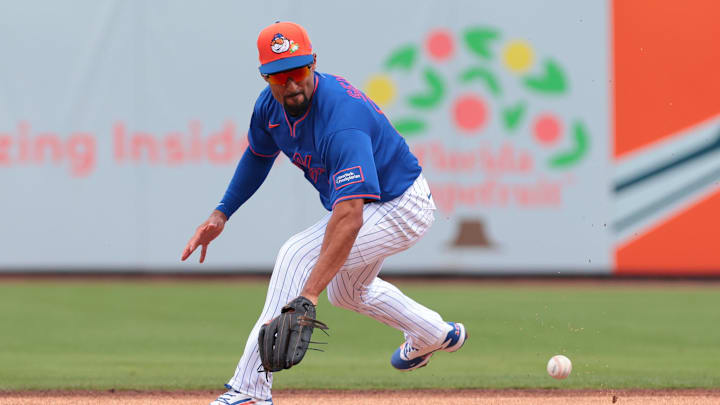
Nimmo was a longtime fan favorite, and moving him for an aging infielder raised questions about the team’s direction. On the surface, it felt like a familiar storyline for Mets fans — one involving another gamble on a veteran second baseman.
And history hasn’t been kind in those situations.
A Position With a Troubled Past
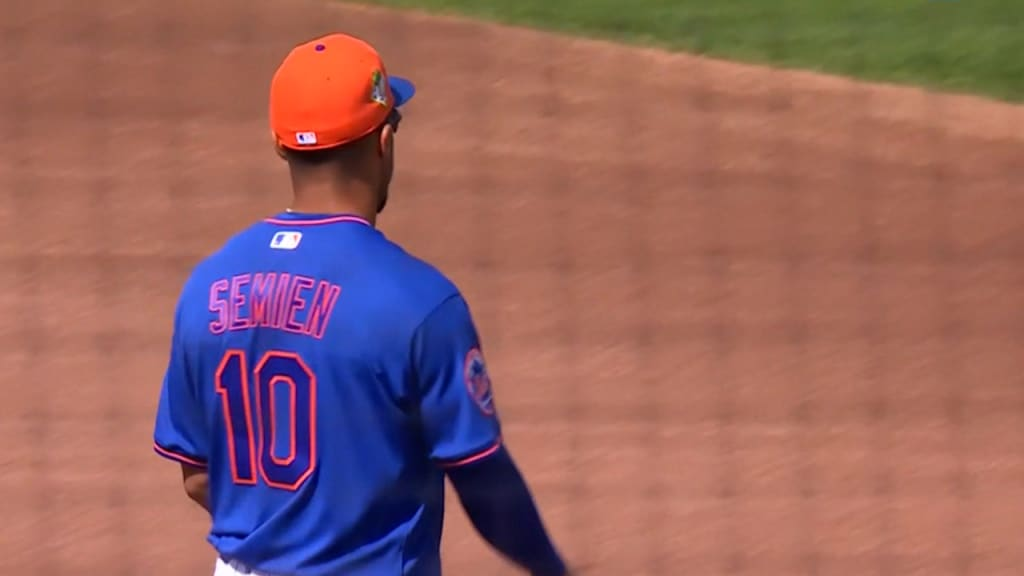
Over the years, the Mets have made several high-profile moves for second basemen that ultimately ended in disappointment.
Carlos Baerga arrived in New York with big expectations but struggled through injuries and inconsistent performance. Roberto Alomar’s tenure was overshadowed by off-field controversy and declining production. Robinson Cano’s time in Queens became defined as much by suspension and controversy as by anything he did on the field.
Each case unfolded differently, but the results were the same: the Mets were left searching once again for stability at second base.
That’s why the Semien trade immediately triggered memories of those past misfires.
A Chance to Change the Narrative
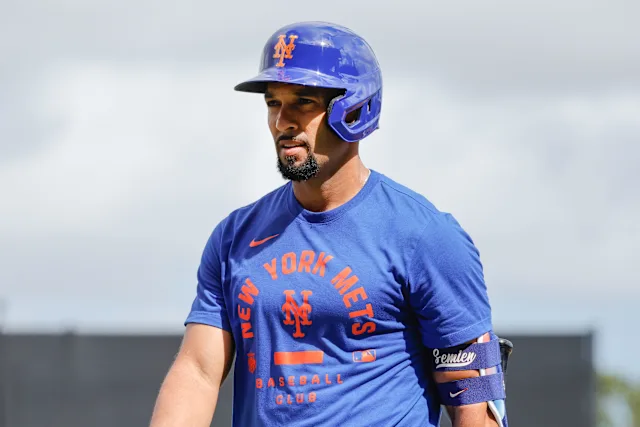
Unlike those previous moves, however, Semien arrives with a reputation built on durability, leadership, and steady production.
Few players in baseball have been as reliable over the last decade. Semien has led the league in games played four times and built a reputation as one of the sport’s most dependable everyday players.
That kind of durability will be especially important for the Mets, even though a foot fracture last season briefly interrupted his ironman streak. The injury appears to be behind him, but the team still needs more than simply availability.
They need the version of Semien who consistently produced near-MVP-level seasons earlier in his career.
Production Matters More Than History
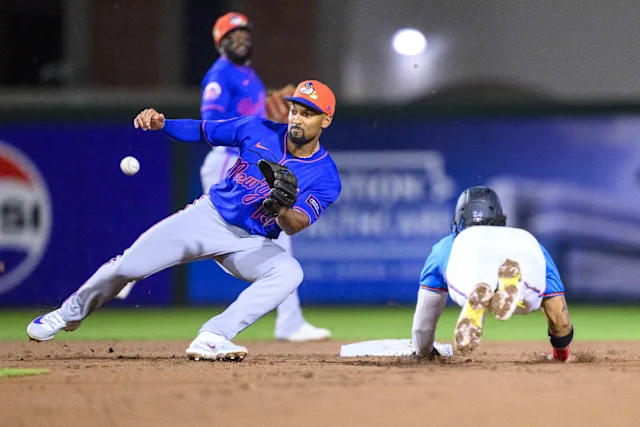
Semien has finished third in MVP voting three different times, but his numbers have declined over the past two seasons.
The Mets don’t necessarily need him to return fully to those peak seasons to justify the trade. However, they do need him to perform closer to his career averages than his recent dip suggests.
If he can provide solid defense and steady offense near the top of the lineup, he could still become a valuable piece of the Mets’ plans over the next few years.
A Franchise Still Searching for Stability
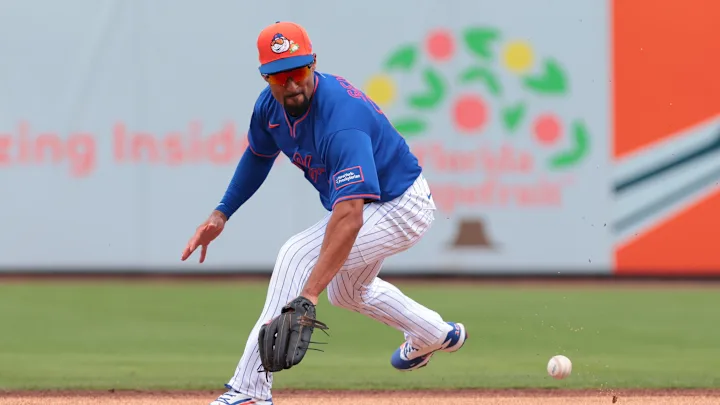
The Mets’ struggles to find long-term answers at certain positions have become a recurring theme throughout the franchise’s history.
Third base has rarely had stability beyond the eras of Howard Johnson and David Wright. Shortstop only truly solidified once Francisco Lindor arrived, following years of inconsistency after Jose Reyes. Even left field has often been a revolving door for the organization.
Meanwhile, many of the team’s greatest players have come at other positions — first base, center field, right field, and catcher.
Second base, unfortunately, has remained one of the more complicated spots in Mets history.
A Reputation Waiting to Be Rewritten
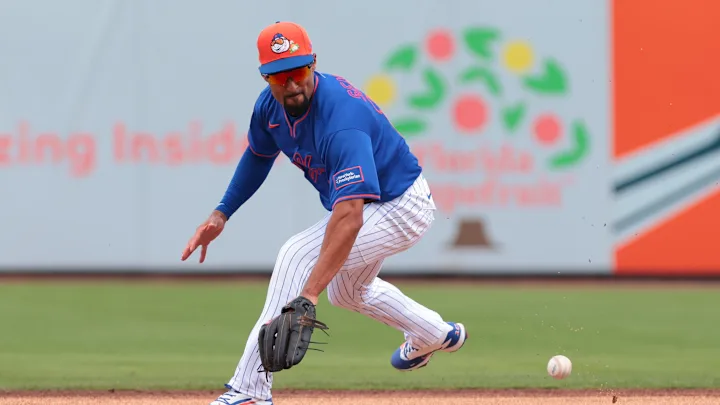
None of that history is Marcus Semien’s responsibility.
He wasn’t part of the Baerga trade, the Alomar controversy, or the Cano saga. Those chapters belong to a different era of Mets baseball.
Still, the shadow of those past deals lingers in the minds of fans.
That’s why Semien’s arrival carries significance beyond the simple baseball transaction. If he performs the way the Mets hope, he won’t just justify the decision to trade Nimmo.
He’ll help rewrite a reputation that has followed this franchise for decades.
And for Mets fans who have seen this story play out too many times before, the hope is simple — that this time really is different.
Leave a Reply