With the 2026 season approaching, Houston Astros right-hander Lance McCullers Jr. is attempting to reinvent the way he pitches.
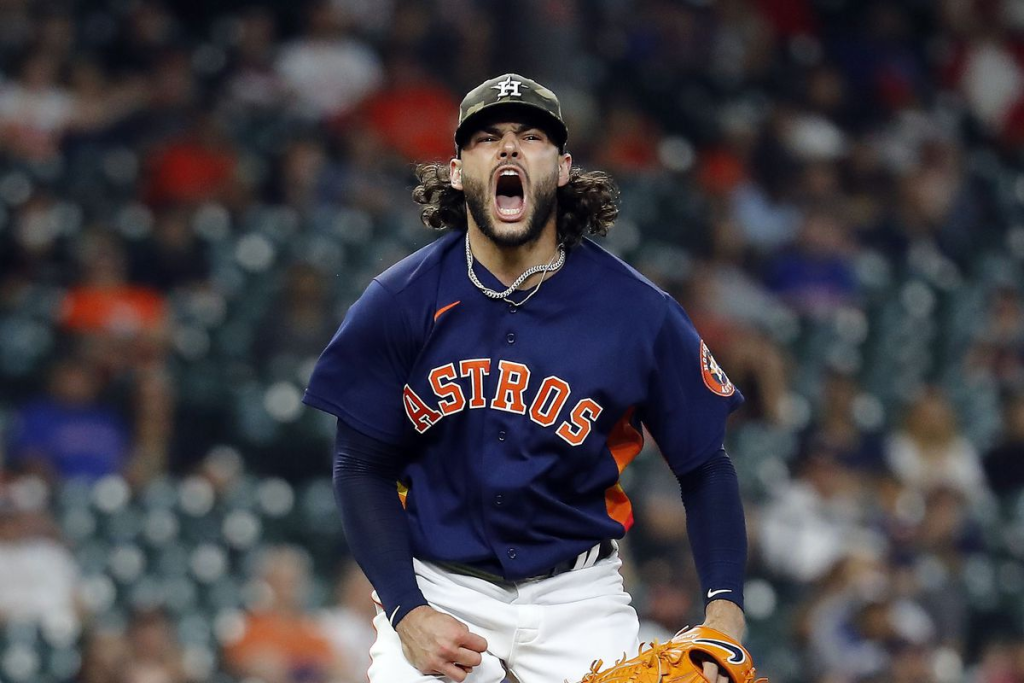
The change in philosophy could determine whether he keeps a spot in Houston’s rotation — and whether he secures another contract after this season.
McCullers is entering the final year of the five-year, $85 million extension he signed with the Astros in 2022. Unfortunately for both sides, the deal has produced little return so far. Injuries and inconsistency have limited him to just 0.6 fWAR during the contract.
While he appears likely to start the season in Houston’s rotation, that role is far from guaranteed if performance issues continue.
McCullers says he’s no longer chasing strikeouts
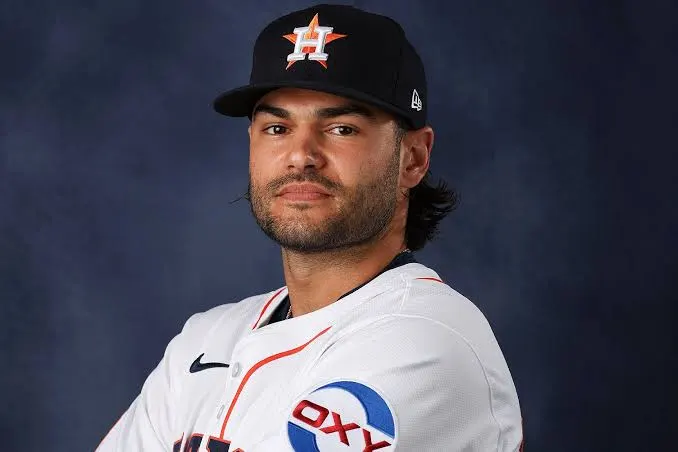
Following a March 10 spring start against the Baltimore Orioles, McCullers revealed a surprising change in strategy.
The 32-year-old said he plans to stop focusing on strikeouts and instead pitch more to contact.
In that outing, McCullers pitched three innings, allowing three hits, one walk, one home run and two earned runs while striking out four batters.
While the results were mixed, the new philosophy raises eyebrows considering that strikeouts have always been McCullers’ greatest strength.
Even during his injury-plagued 2025 season, he still averaged 9.92 strikeouts per nine innings, continuing to demonstrate his ability to miss bats.
Command issues create a major problem
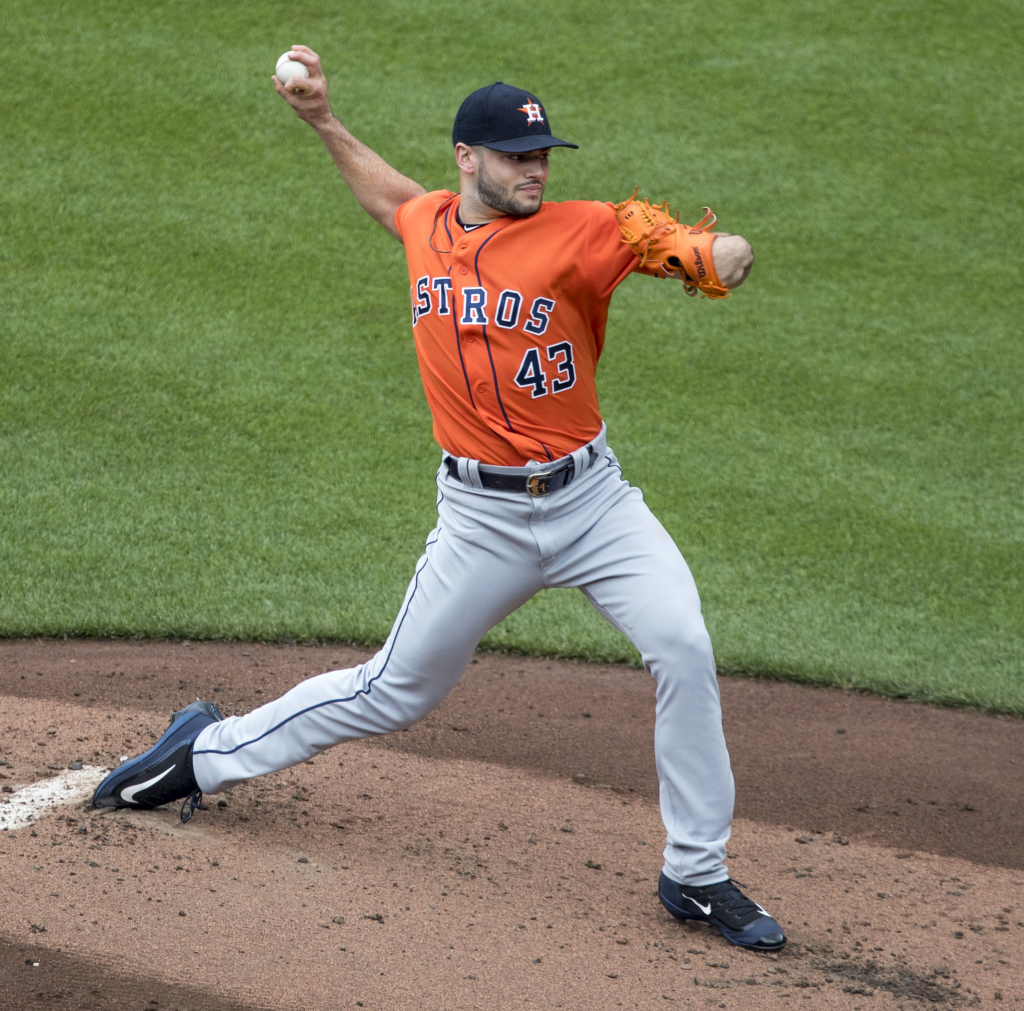
The challenge with pitching to contact is that it requires elite command and consistent location.
Unfortunately, those have not been McCullers’ strengths in recent seasons.
In 2025 he posted:
- 14.2% walk rate (career worst)
- 50% hard-hit rate (1st percentile in MLB)
- 11.4% barrel rate (7th percentile)
- 90.5 mph average exit velocity allowed (12th percentile)
Those numbers suggest hitters were making dangerous contact when they did connect.
For a pitcher struggling with command, encouraging more balls in play could become a dangerous strategy.
His pitch usage tells a different story
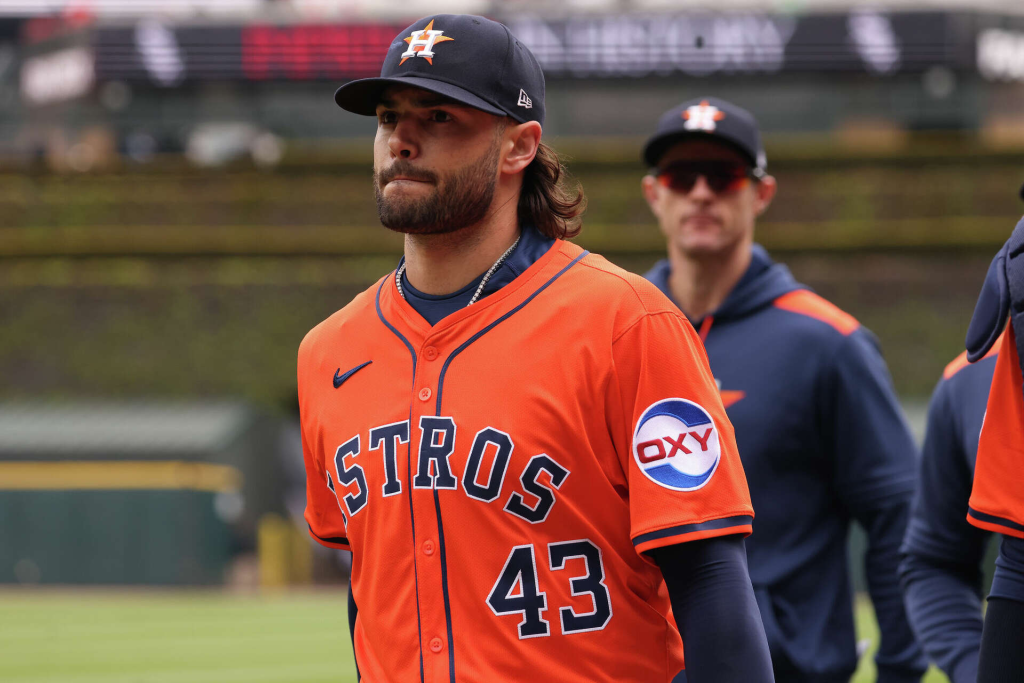
McCullers’ actual pitch mix during the Orioles start also contradicts his new philosophy.
Last season he relied heavily on his sinker, which generated ground balls at a 47.5% rate.
Against Baltimore, however, he threw the sinker only 13% of the time, cutting its usage nearly in half from the 25% rate in 2025.
Instead, he leaned more heavily on his four-seam fastball, throwing it 23% of the time compared to just 5% last season.
That change suggests a more strikeout-oriented approach, not one built around inducing contact.
Interestingly, his fastball also showed improved velocity, averaging 93.2 mph, up from 91.8 mph last season.
Location still a concern
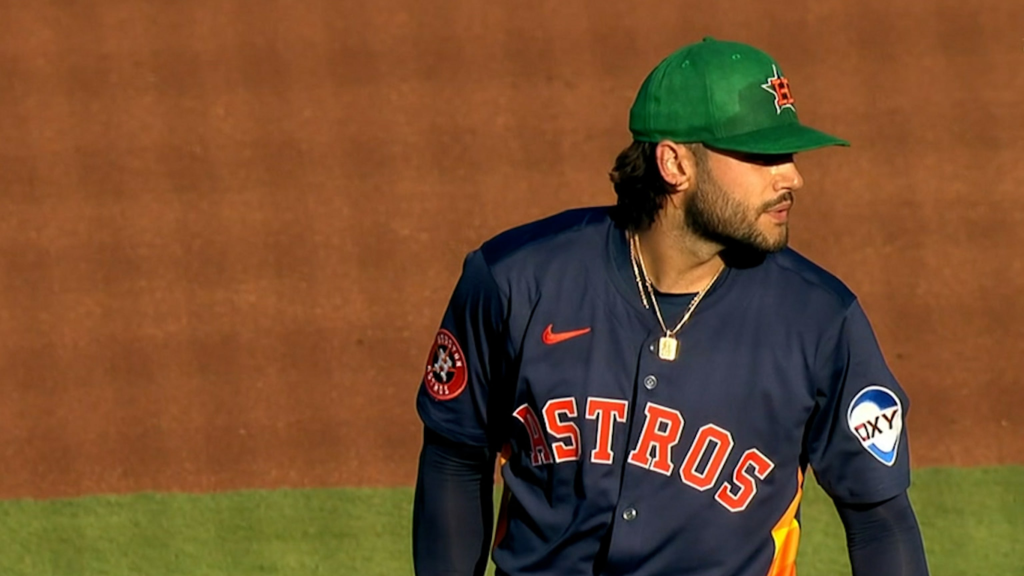
Even with improved velocity, McCullers’ command remains an issue.
According to Pitcher List, his pitch location during the outing graded out at D+, highlighting continued struggles to consistently locate in the strike zone.
Throwing more high fastballs — especially ones that miss their intended location — could lead to more hard contact and home runs, the opposite of what a contact-focused strategy aims to achieve.
A critical season for McCullers and the Astros
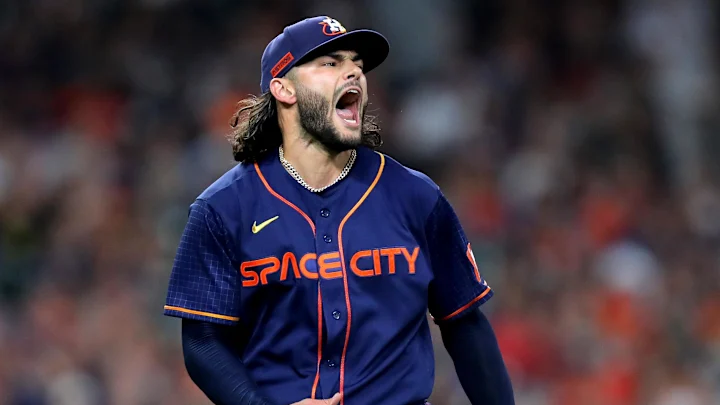
If McCullers can somehow regain the form that once made him a frontline starter, he would provide a massive boost to the Astros’ pitching staff and their playoff hopes.
There are encouraging signs. His fastball velocity suggests his arm may finally be recovering from the injuries that plagued him over the past few years.
However, abandoning the approach that helped him succeed — generating strikeouts with his electric stuff — could ultimately work against him.
McCullers built his reputation by overpowering hitters, not by pitching like a finesse control specialist.
With his contract expiring and his career at a crossroads, the Astros veteran may be better off embracing what made him successful in the first place: missing bats and piling up strikeouts.
Leave a Reply