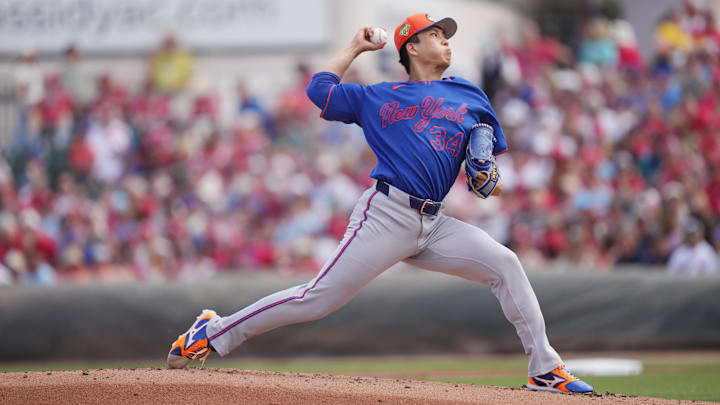
The New York Mets were among the busiest teams in baseball this past offseason. Despite several major moves, some observers felt the roster still contained lingering questions — particularly in the starting rotation.
One of the biggest uncertainties surrounding the team entering 2026 is Kodai Senga.
The right-hander spent much of the winter at the center of trade rumors after posting a 6.56 ERA during the second half of the 2025 season. Yet despite the speculation, no deal ever materialized, leaving Senga firmly in the Mets’ rotation plans heading into the new year.
Now the focus has shifted toward a different question: can Senga return to his dominant form?
Recency bias hides his strong early 2025 performance
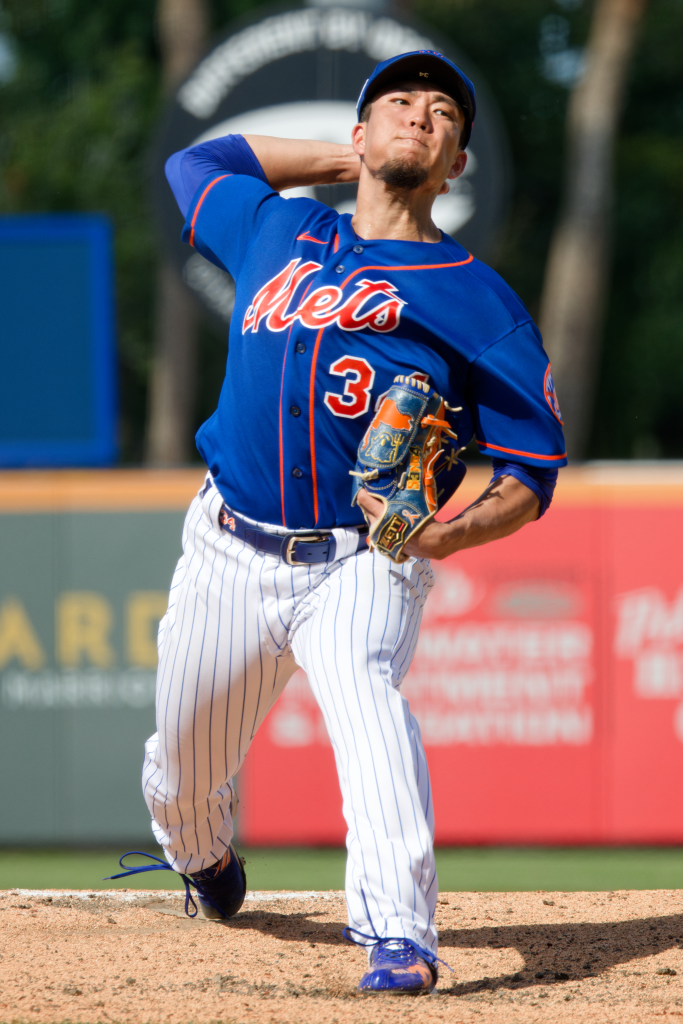
The struggles that defined Senga’s late-season performance last year often overshadow how impressive he was early in the season.
In his first 14 starts of 2025, Senga looked like one of the most dominant pitchers in the National League, compiling a 1.39 ERA and firmly establishing himself as the leader of the Mets’ staff.
Everything changed when he strained his hamstring while making a defensive play, forcing him onto the injured list.
After missing about a month, Senga returned to the mound — but he never quite looked the same.
Velocity drop created major problems
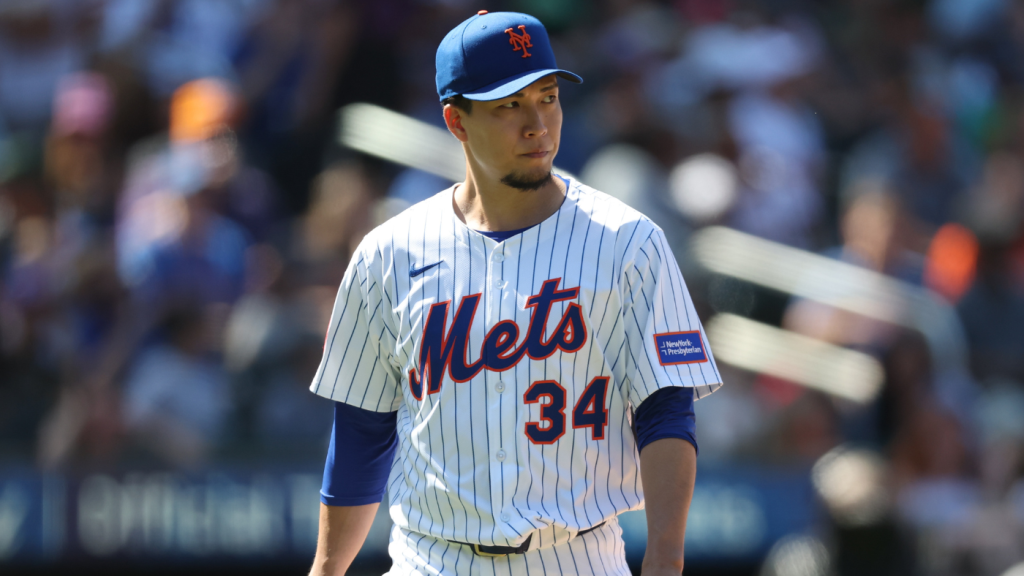
The most noticeable difference following Senga’s injury was his fastball velocity.
During his first two MLB seasons, his heater typically sat in the 95–96 mph range. But in 2025, that number dropped to an average of 93.7 mph, giving hitters more time to react.
The reduced velocity, combined with occasional command issues, made the pitch far more hittable. Opposing hitters slugged .543 against Senga’s fastball, a stark contrast to earlier seasons.
Those struggles also affected the effectiveness of his secondary pitches.
While Senga is famous for his “ghost fork” splitter, it was actually his cutter that played a major role during his standout rookie campaign. In 2023, the pitch generated a run value of 20, trailing only Corbin Burnes’ cutter (23) across Major League Baseball.
When his fastball lost life, however, the cutter became far less effective.
Encouraging signs during spring training
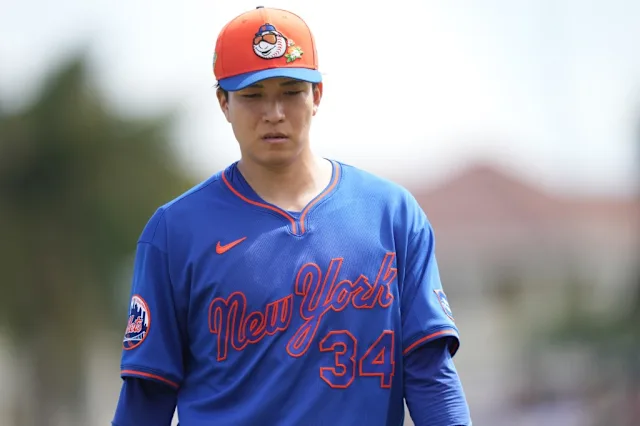
The early reports from Mets camp suggest that Senga may be rediscovering his form.
In limited spring action so far, he has averaged 95.7 mph on his fastball, with several pitches reaching 98 mph. That increase in velocity is one of the clearest signs that his arm strength may be returning.
Senga has also emphasized a more aggressive approach in the strike zone.
Control has occasionally been an issue throughout his career — he carries an 11.1 percent walk rate — but offseason mechanical adjustments appear aimed at improving both command and consistency.
If those adjustments hold, the Mets could see the version of Senga that initially made him one of the most exciting international signings in recent years.
A rotation full of uncertainty
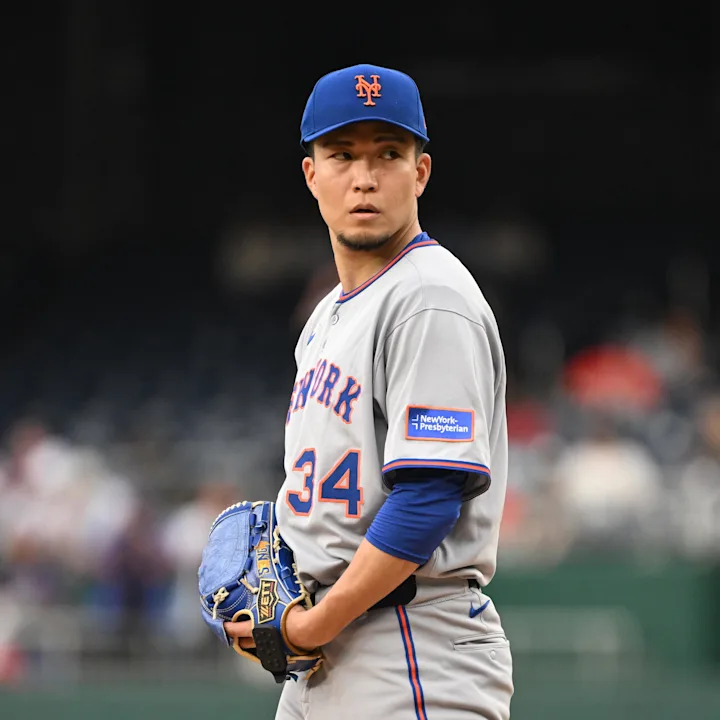
The Mets’ starting rotation already carries several question marks heading into 2026.
While the team added Freddy Peralta during the offseason and continues to develop young arms like Nolan McLean, the staff still lacks absolute certainty at the top.
That’s why Senga’s performance could prove so important.
At his best, he has already shown he can pitch like a legitimate frontline starter.
A season that may define his Mets tenure
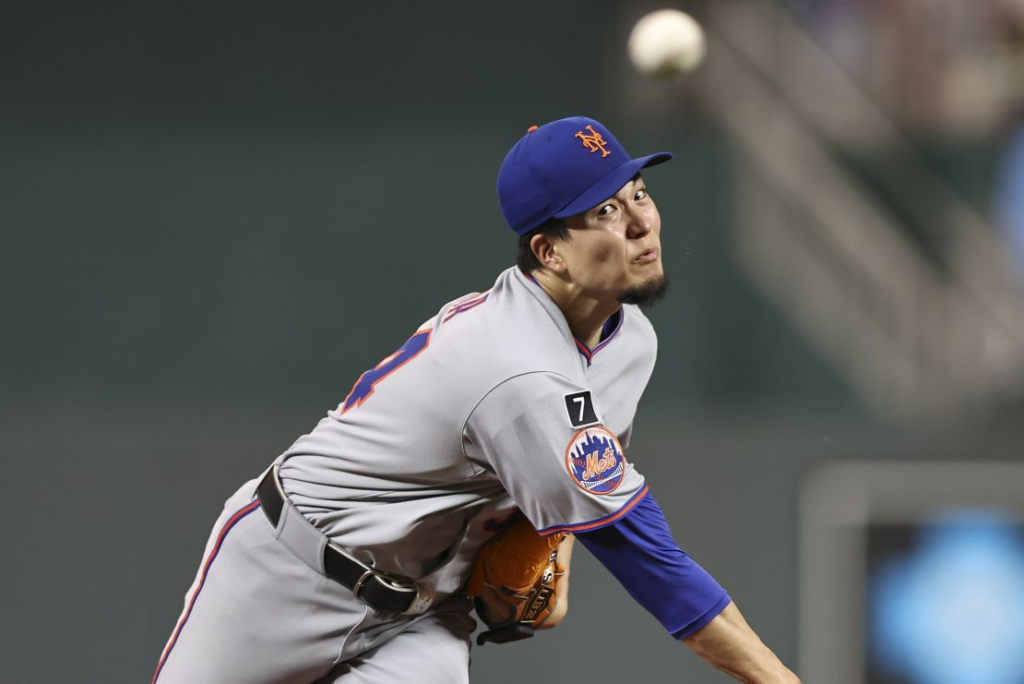
The past few seasons have tested Senga in multiple ways. Injuries, inconsistency, and a disappointing finish to 2025 created doubts about his long-term future with the team.
Yet he now enters 2026 with another opportunity.
If he stays healthy and maintains the improved velocity seen this spring, Senga could once again become one of the most reliable arms in the Mets rotation.
By the end of the season, the Mets may view him very differently than they did during the uncertainty of last winter.
Because if the best version of Kodai Senga returns, he has already proven he is capable of leading the Mets’ pitching staff — not just contributing to it. ⚾
Leave a Reply