As spring training winds down, the New York Mets are entering the phase where every decision starts to carry real weight.
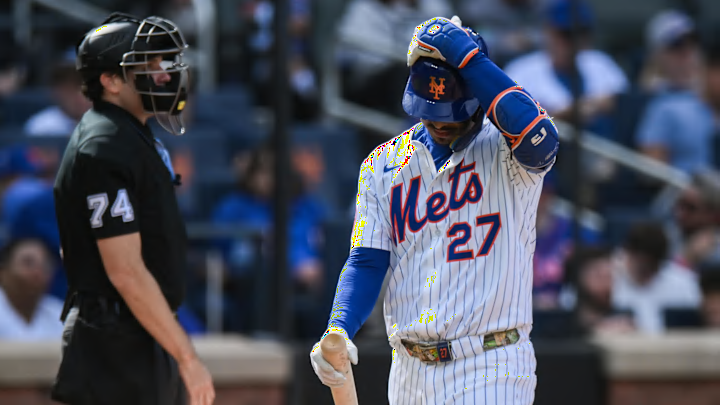
That’s why manager Carlos Mendoza’s public support for Mark Vientos stood out. Despite a brutal stretch at the plate, the Mets skipper made it clear he still believes Vientos will be an important piece this season.
But while the spotlight has settled on Vientos, a more pressing issue may be developing elsewhere—and it could have far greater consequences for the Mets.
Vientos’ struggles have been difficult to ignore.
Through limited spring action, he’s posted a staggering .040/.077/.080 slash line, production that raises obvious concerns as Opening Day approaches. For most players, numbers like that would trigger serious questions about their role.
Instead, Mendoza has remained steady.
He’s emphasized confidence over concern, signaling that the organization still views Vientos as a key contributor. That kind of backing suggests the Mets are willing to be patient—at least for now.
And realistically, they can afford to be.
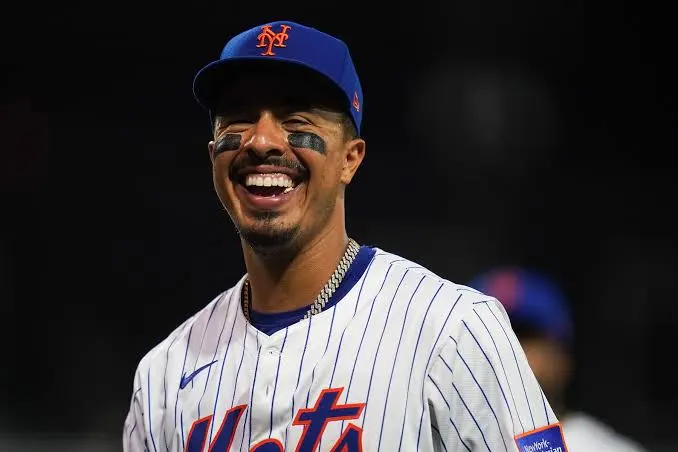
New York’s lineup offers flexibility. With Bo Bichette entrenched at third base and options like Brett Baty and Jorge Polanco capable of shifting roles, the Mets have multiple ways to absorb Vientos’ struggles. Even the designated hitter spot provides a safety valve if adjustments are needed.
In other words, there’s a cushion.
That’s not the case on the pitching side.
David Peterson’s situation carries a very different level of urgency. Currently sitting as the team’s sixth starter, he’s not just competing for a role—he’s filling a potential need in a rotation that still has unanswered questions.
Sean Manaea’s inconsistency only adds to that pressure, making Peterson’s performance more than just a developmental storyline. It’s becoming a necessity.
So far, the results haven’t been encouraging.
In his most recent outing, Peterson allowed four runs over four innings, continuing a pattern that dates back to last season. His spring ERA now sits above 5.00, and the lack of consistency is becoming harder to overlook.
Unlike Vientos, Peterson doesn’t have the same margin for error.
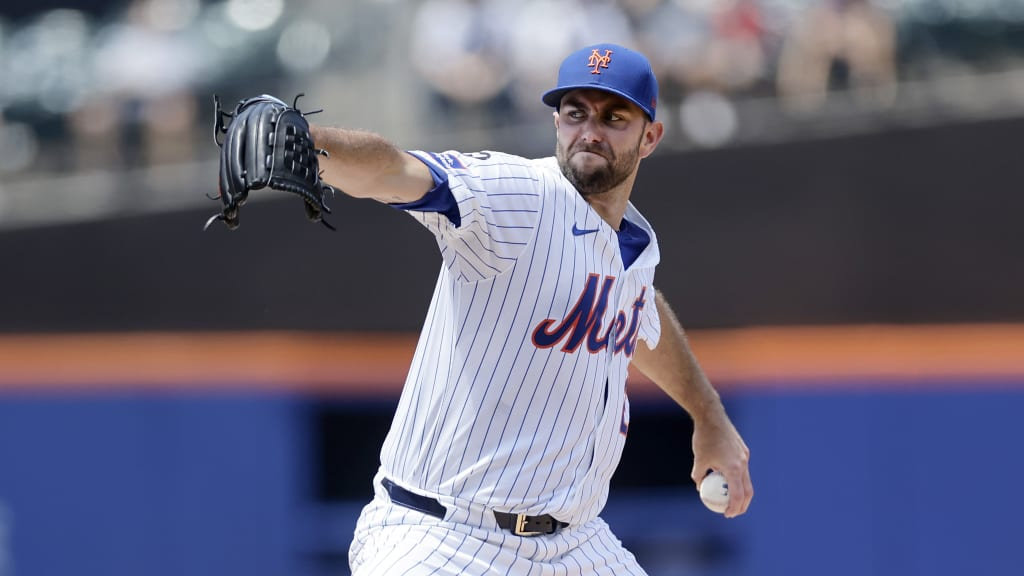
The Mets don’t have a deep pool of ready-made alternatives to step in seamlessly. There’s no easy reset button—no obvious place to stash him while he works things out. If he struggles, the impact is immediate and difficult to contain.
That’s what makes the current focus feel slightly off balance.
Vientos may be drawing attention because of his numbers, but the Mets have ways to manage that situation without major disruption. Peterson’s struggles, on the other hand, could ripple through the entire pitching staff if they persist.
As Opening Day approaches, both players remain under the microscope.
But one of them carries far more weight.
And for the Mets, that distinction could shape how their season begins.
Leave a Reply