The Mets have finalized their Opening Day roster — but the moves may not be over just yet.
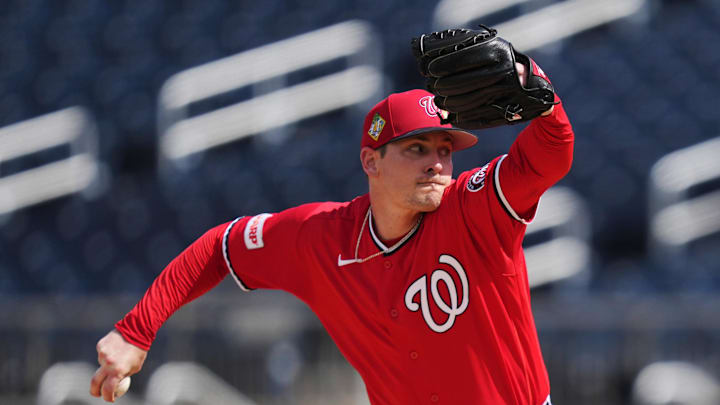
Mar 2, 2026; West Palm Beach, Florida, USA; Washington Nationals pitcher Drew Smith (45) pitches in the third inning against the Houston Astros at CACTI Park of the Palm Beaches. Mandatory Credit: Jim Rassol-Imagn Images | Jim Rassol-Imagn Images
With the season about to begin, New York locked in its final spots by giving Jared Young the last bench role and placing Richard Lovelady in the bullpen as the second left-handed option. It’s a group that largely matches expectations.
Still, there’s already buzz about what could come next.
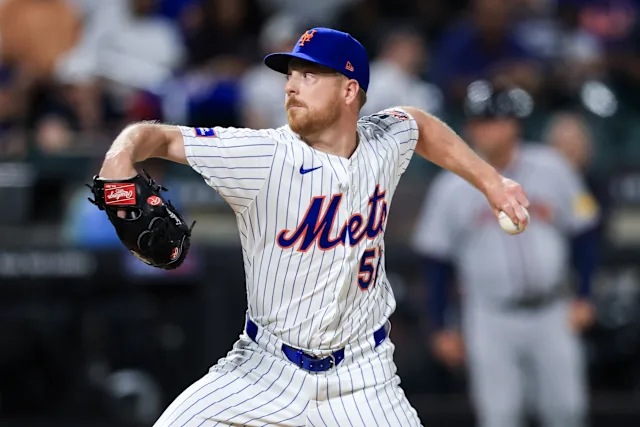
According to recent reports, the Mets are among several teams showing interest in a familiar name: reliever Drew Smith.
It’s a connection that makes sense on multiple levels.
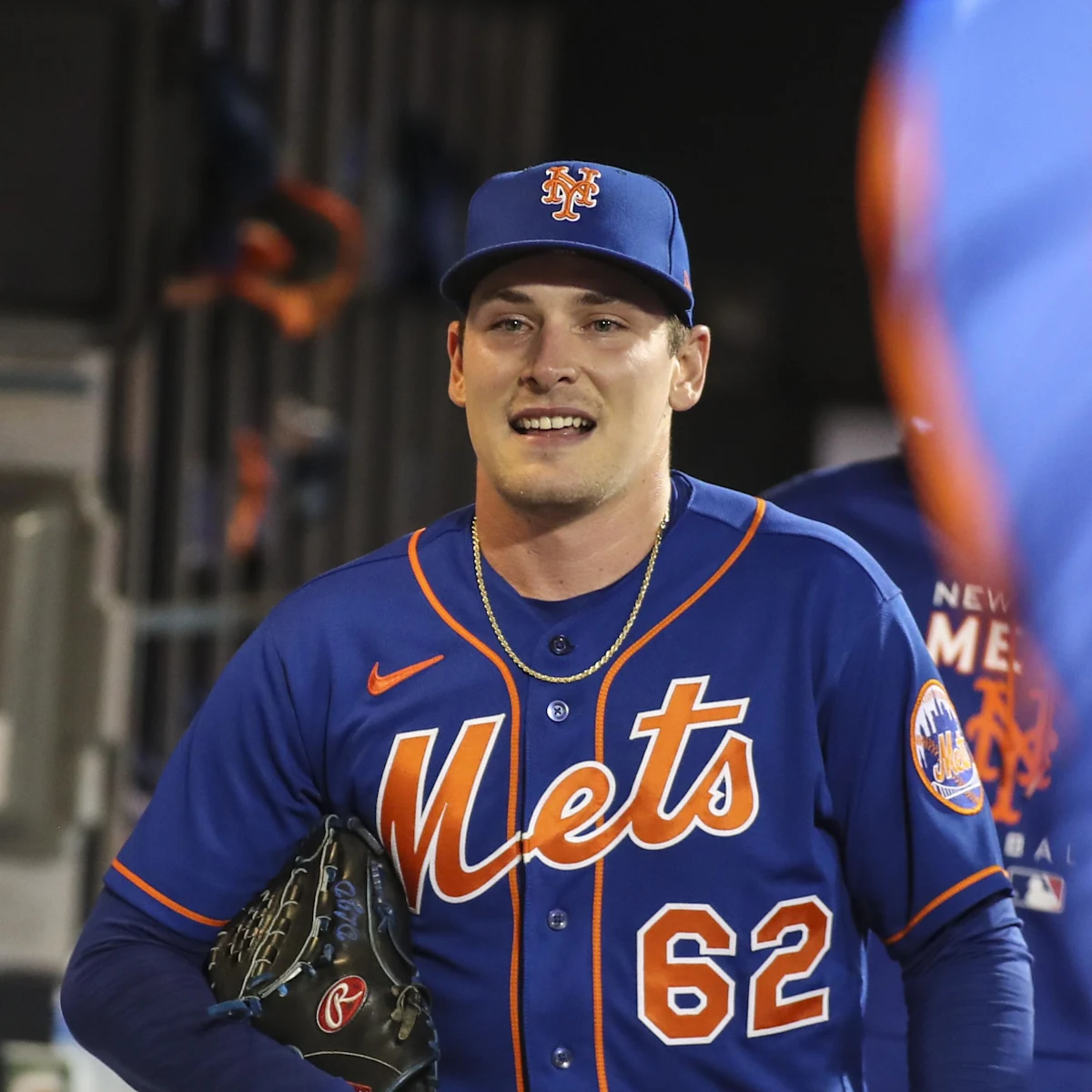
Smith spent six seasons with the Mets from 2018 through 2024, becoming a steady, if sometimes polarizing, presence in their bullpen. After undergoing Tommy John surgery, he missed all of last season, and the Mets declined his option — allowing him to test the market.
Now, he could be back in play.
Smith impressed this spring with Washington, tossing over five scoreless innings while striking out seven. Despite that performance, he was released — and immediately drew attention from more than a dozen teams.
The Mets are one of them.
At the heart of this situation is a simple question: would Smith offer more value than what’s currently in place?
Right now, that comparison centers on Lovelady.
The two pitchers bring very different profiles. Lovelady, a left-hander, is expected to handle situational work — particularly against left-handed hitters — while inducing ground balls in lower-leverage spots.
Smith, on the other hand, offers a more neutral approach.
Throughout his career, he hasn’t shown drastic splits between lefties and righties, making him a more flexible option in terms of matchups. His style leans toward generating fly balls and strikeouts, which could slot him into earlier bullpen usage when the Mets need to stabilize a game.
But there are trade-offs.
Smith’s track record includes a solid 3.48 ERA and respectable strikeout numbers, yet underlying metrics suggest some inconsistency. Home run susceptibility has been a recurring issue, and it’s part of why his tenure in New York was occasionally uneven.
Lovelady, meanwhile, enters the season with less margin for error.
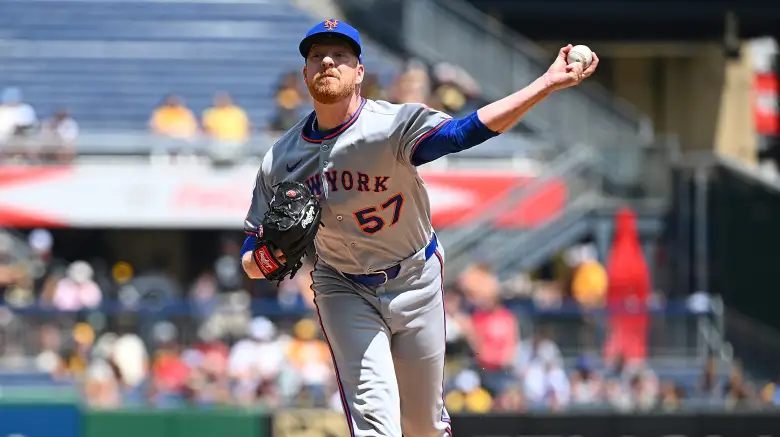
As the final bullpen piece, his role isn’t guaranteed. A few rough outings could quickly open the door for alternatives — whether that’s Smith or another arm entirely.
From the Mets’ perspective, this is about depth and flexibility.
The roster may be set for Opening Day, but front offices rarely stop evaluating. If an opportunity arises to upgrade even the final bullpen spot, it’s one they’ll consider.
From Smith’s side, the decision could be more complicated.
While a return to New York offers familiarity, other teams — particularly those dealing with injuries — may present clearer paths to meaningful innings.
For now, it’s a situation worth watching.
Because even as the Mets take the field with a finalized roster, the reality is unchanged: in baseball, “final” rarely means finished.
Leave a Reply