New York Mets fans looking for reasons to panic after Nolan McLean’s World Baseball Classic start might want to take a step back.

Yes, the young right-hander surrendered two home runs and a hit-by-pitch in one rough inning against Team Italy. But that brief collapse came after he struck out the side in the first inning and showed flashes of the power arsenal that made him one of the Mets’ most exciting young pitchers.
In a normal MLB start, McLean likely would have had time to settle down over five or six innings. Instead, tournament pitch limits ended his outing early after 55 pitches, leaving him with a misleading 9.00 ERA line.
For Mets fans, the reality is simple: one shaky inning in an exhibition tournament shouldn’t be the biggest worry heading into the 2026 season.
Here are three far more significant concerns the Mets must confront.
1. The rotation’s durability behind Freddy Peralta

The biggest question surrounding the Mets may be the health and consistency of their starting rotation.
While Freddy Peralta provides a true frontline arm, the rest of the staff carries considerable uncertainty.
- Sean Manaea struggled to find consistency last season.
- Kodai Senga has yet to fully regain his form after injury.
- David Peterson finished 2025 with a puzzling second-half collapse.
- Clay Holmes is still adjusting to life as a full-time starter.
It would not be surprising if one of these pitchers rebounds with a strong season. But it’s equally likely another regresses or struggles with durability.
The Mets do have young pitching depth in the minors, yet relying heavily on prospects is risky. Jonah Tong looked shaky during his brief call-up last year, while Brandon Sproat remains a work in progress.
Even with Peralta anchoring the staff, the rotation still has plenty of unanswered questions.
2. Risk of mismanaging positional changes
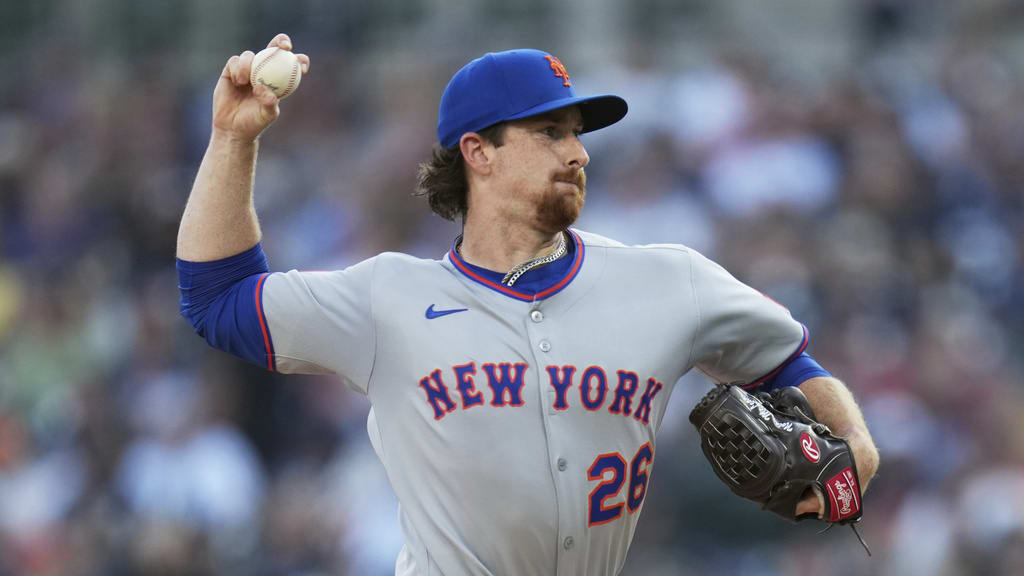
Another concern lies in how the Mets plan to deploy their lineup.
The team is experimenting with several positional adjustments, and there is always the risk that the organization sticks with a questionable plan for too long.
A key example involves Bo Bichette, who is transitioning to third base. If the move struggles defensively, the Mets may still hesitate to adjust quickly.
That could limit opportunities for Brett Baty, who might actually represent the best defensive option at one of the corner infield spots.
The Mets have emphasized keeping players healthy and rotating roles, which is understandable. But if that approach leads to clearly inferior lineup or defensive combinations staying on the field, frustration could follow.
3. The bullpen remains unpredictable
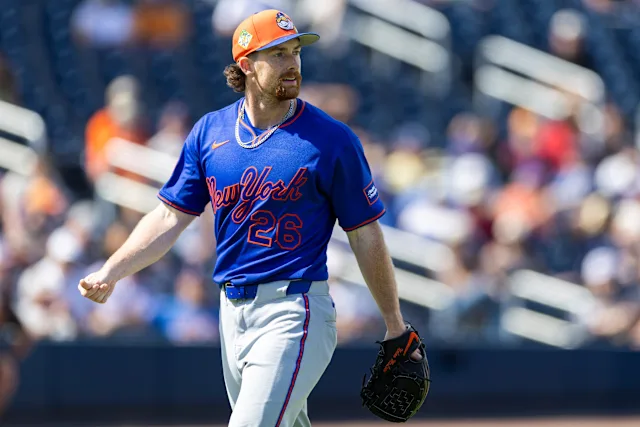
Perhaps the biggest wild card for the Mets is their bullpen.
Replacing Edwin Díaz with Devin Williams could work out well — but transitions at closer are rarely seamless.
Other key relief options bring additional uncertainty:
- Luke Weaver, coming off a strong stretch with the Yankees, must prove it wasn’t a one-season surge.
- Veterans like Luis García and Craig Kimbrel have both shown the ability to dominate — or struggle badly.
Complicating matters further is the Mets’ plan to use a six-man rotation, which reduces the number of available bullpen spots.
Even if a starter eventually moves to the bullpen, it does not automatically fix the problem. Creative usage, such as piggyback starts, may help manage innings, but it will not eliminate the unpredictability of relief pitching.
No reason to panic about McLean
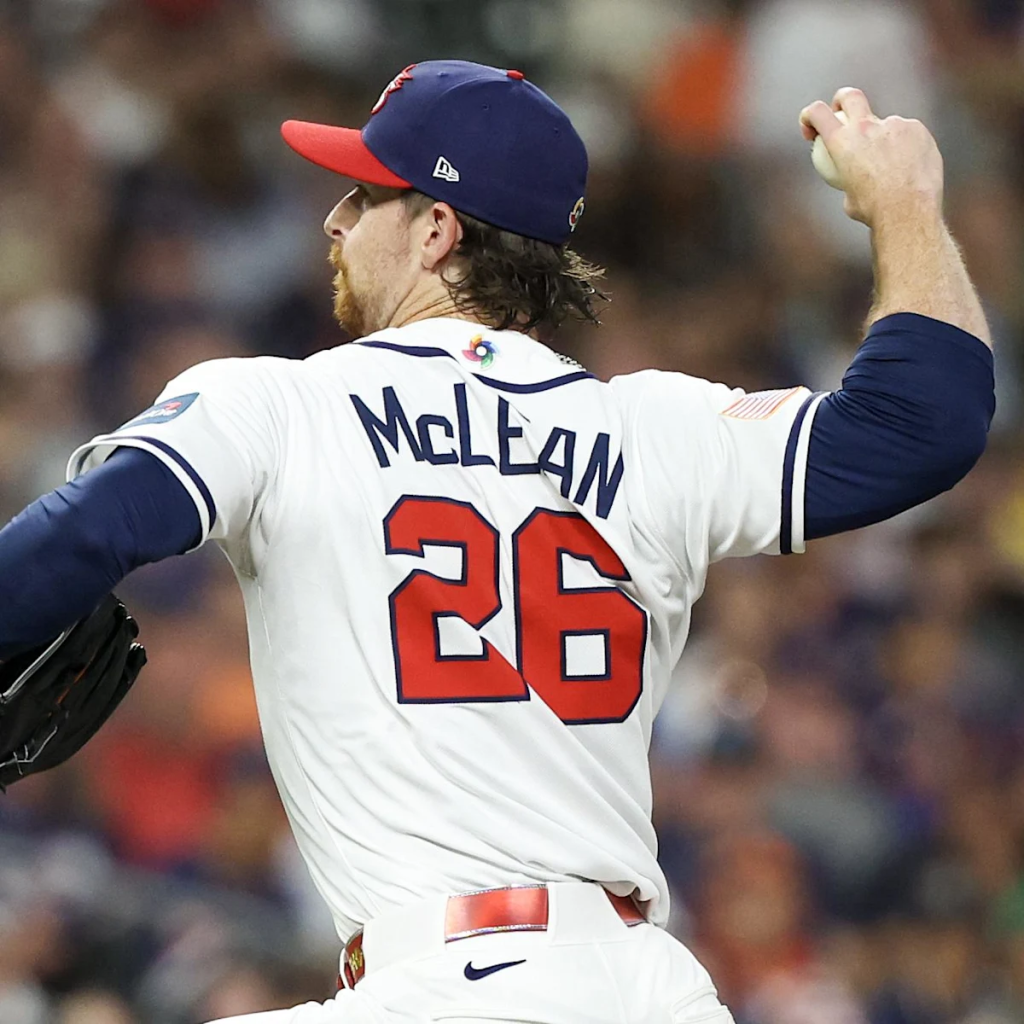
Compared with these broader roster concerns, Nolan McLean’s WBC outing barely registers.
He showed exactly why the Mets are excited about his future, dominating early before one rough stretch altered the stat line.
If similar struggles appear during the regular season and begin costing the Mets games, then the concern might grow.
For now, however, the young pitcher’s brief tournament hiccup is far less important than the bigger structural questions surrounding the 2026 Mets roster.
Leave a Reply