The New York Mets received their first spring training looks at two important rotation arms this weekend, and while the results were different, both Kodai Senga and Sean Manaea gave the team reasons for optimism — and a few questions moving forward.
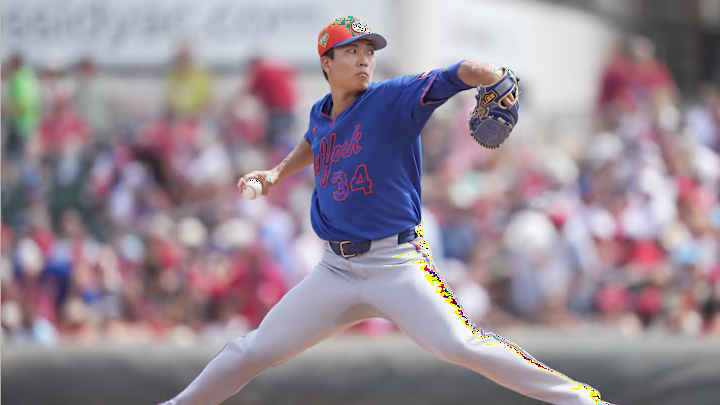
Both pitchers could play key roles in shaping the Mets’ 2026 season.
Manaea took the mound Friday, delivering three innings while allowing just one hit and one run, which came via a solo home run. Senga followed Saturday with a 2⅔-inning outing, giving up three hits and two home runs.
On the surface, Manaea’s results looked stronger. But the bigger conversation centered around the velocity trends from each pitcher.
Manaea’s velocity drop raises questions
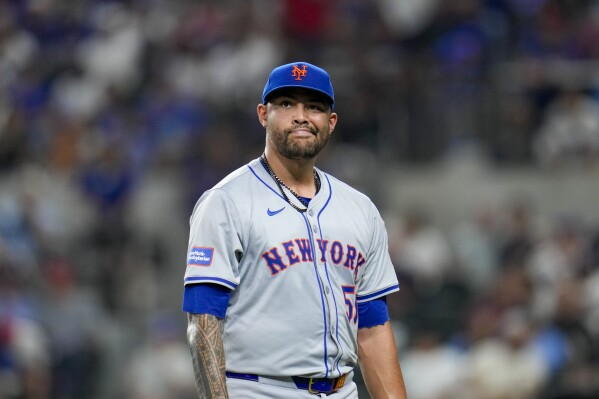
One noticeable development from Manaea’s debut was a drop in his fastball velocity.
According to reports during the game, Manaea’s fastball averaged 88.1 mph, down from his 91.7 mph average in 2025. The left-hander also threw only two sinkers, another pitch he had relied on in previous seasons.
A decrease of more than three miles per hour could raise eyebrows, though spring training outings often come with reduced intensity as pitchers build up arm strength.
Because of that, it may simply be too early to draw any serious conclusions.
Senga shows electric velocity
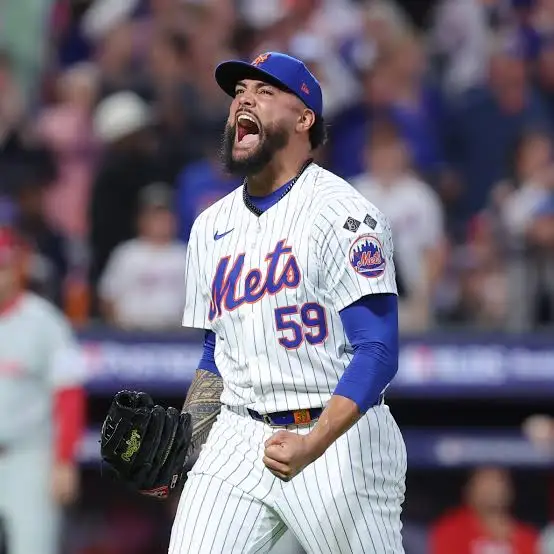
While Manaea’s velocity dipped, Senga’s fastball went the opposite direction.
The right-hander reached 98.9 mph during a scoreless first inning in his spring debut against the St. Louis Cardinals. Seeing that level of velocity early in camp is an encouraging sign for a pitcher who has battled durability concerns in the past.
Still, there are two ways to interpret that kind of performance.
On one hand, the velocity spike could indicate Senga is fully healthy and ready for the season. On the other hand, some observers wonder whether dialing back the intensity might help him maintain durability across a full year.
Mets rotation depth creates competition

Neither Manaea nor Senga is guaranteed to carry the Mets rotation.
The pitching staff now features Freddy Peralta at the top, while highly regarded prospect Nolan McLean is also pushing for a major role. That depth means poor performances early in the season could quickly impact the rotation hierarchy.
If either veteran struggles, the Mets have options waiting.
Rest schedule remains a key factor for Senga
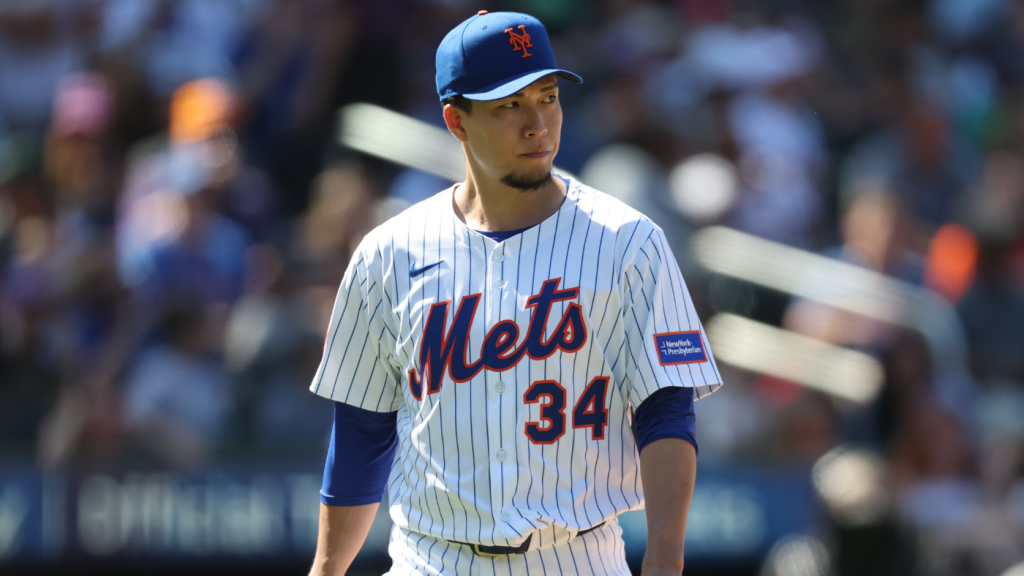
One ongoing discussion surrounding Senga is his rest schedule.
Throughout most of his MLB career, the Mets have preferred to give him extra days between starts, often aligning him with a six-man rotation. Recently, Senga addressed the topic directly, saying he would be willing to pitch on a traditional four days of rest if the team asked him to.
However, past results suggest the extra rest has helped.
In a small sample, Senga has posted a 5.09 ERA in starts on four days of rest, compared to a 2.86 ERA when pitching with five or more days between starts.
That difference explains why the Mets may continue leaning toward a six-man rotation whenever possible.
Durability remains the biggest question
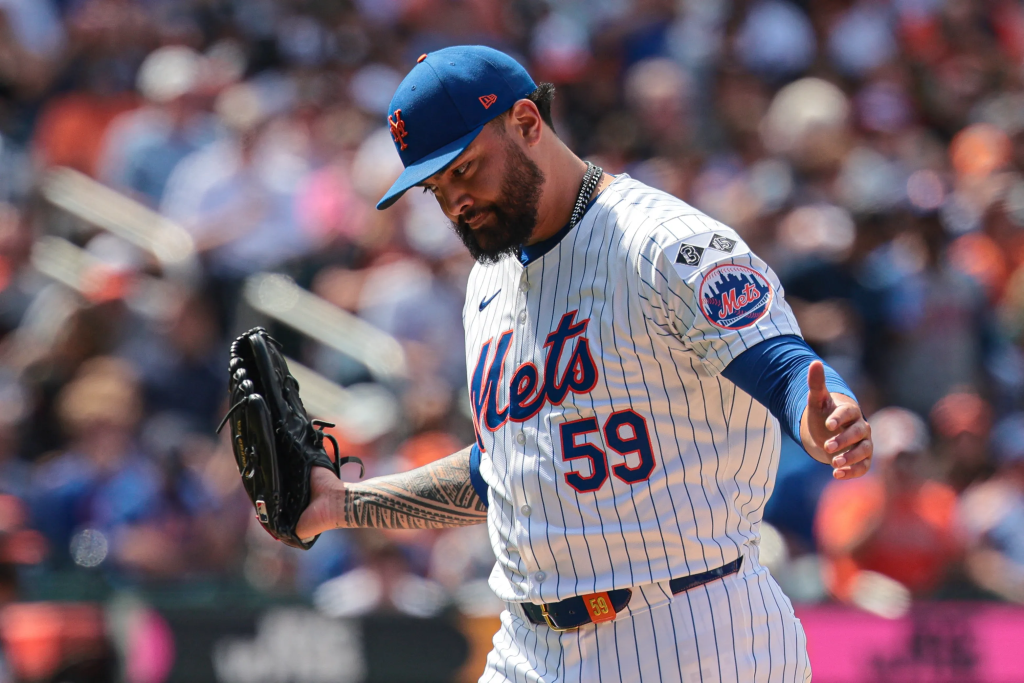
Ultimately, the most important factor for both pitchers may not be velocity or early spring results — it’s durability.
Manaea’s slight velocity dip could be nothing more than early spring ramp-up. Meanwhile, Senga’s power arm remains exciting but raises the usual concerns about workload management.
Spring training debuts rarely tell the full story.
What matters most will come once the regular season begins and both pitchers are asked to handle five or more innings every fifth or sixth day.
For the Mets, the health and consistency of Senga and Manaea could go a long way toward determining whether their 2026 season becomes a success or a disappointment.
Leave a Reply