The New York Mets were already dealing with slow starts from key offseason additions. Now, an early injury concern has added another layer of uncertainty.
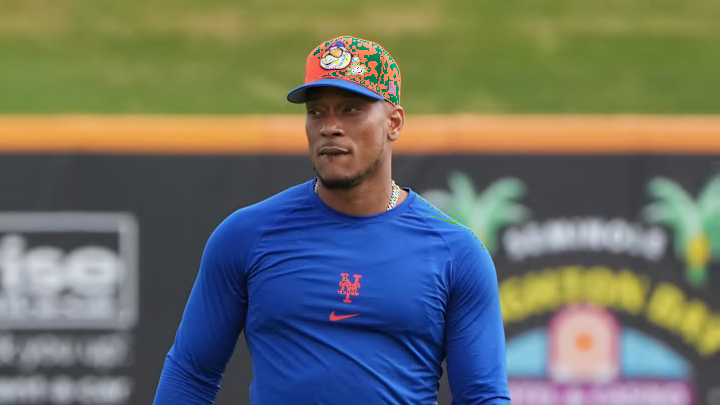
New York Mets infielder Jorge Polanco | Jim Rassol-Imagn Images
Manager Carlos Mendoza revealed that Jorge Polanco is dealing with an Achilles issue just days into the 2026 season. While the situation isn’t being labeled as serious, the timing alone is enough to raise eyebrows.
Polanco was shifted into the designated hitter role for the Mets’ latest game, a move that initially didn’t seem unusual. But the explanation behind it told a different story.
According to Mendoza, Polanco experienced discomfort in his Achilles following the second game of the season. As a precaution, the team is limiting his time in the field while continuing to keep his bat in the lineup.
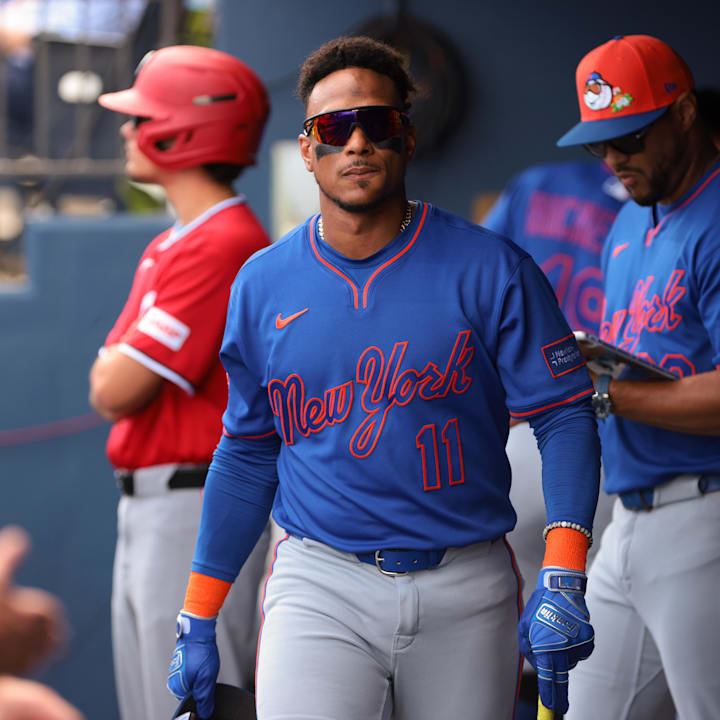
New York Mets second baseman Jorge Polanco | Sam Navarro-Imagn Images
That decision reflects a careful balancing act.
On one hand, Polanco remains healthy enough to contribute offensively. On the other, Achilles injuries are notoriously delicate—especially early in the season, when pushing too hard can create lingering issues.
So far, his production has been modest.
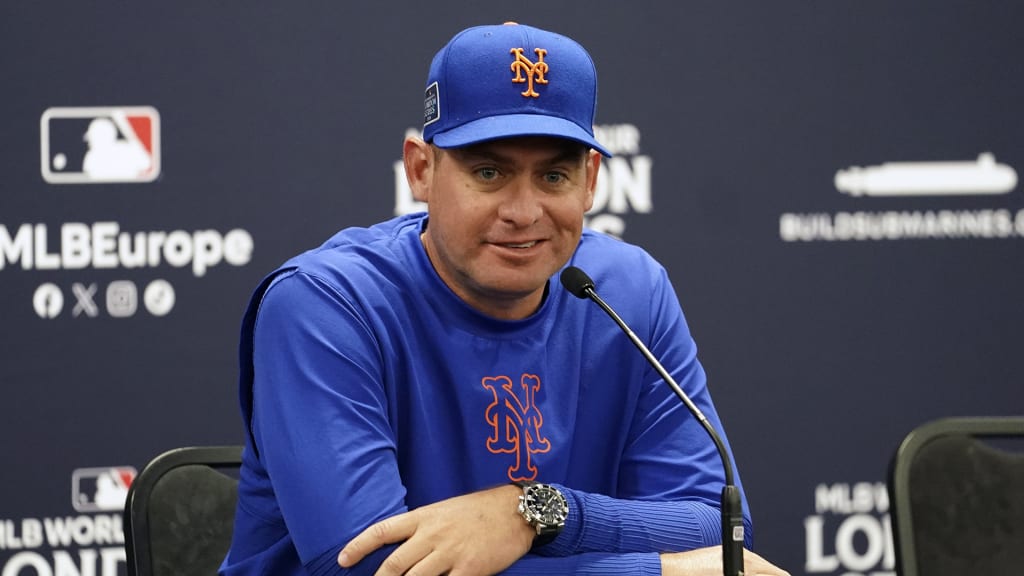
Polanco is hitting just .100, though his .400 on-base percentage suggests he’s still finding ways to contribute. It’s not the impact the Mets envisioned, but it’s far from a complete absence at the plate.
Still, expectations were higher.
Polanco wasn’t the only acquisition expected to deliver immediately. Bo Bichette, another major addition, has also struggled out of the gate, drawing frustration from fans after a rough opening series.
That context makes Polanco’s situation more significant.
The Mets can afford patience with performance—early slumps are part of the game. But health concerns are a different story, particularly when they involve key contributors adjusting to new roles. Polanco has already been asked to handle defensive responsibilities at a new position this season, adding to the physical and mental load.
For now, the team is taking a measured approach.
Mendoza emphasized that the injury is not considered serious, pointing to Polanco’s presence in the lineup as a positive sign. But the decision to limit his defensive exposure suggests the Mets understand the risk of pushing too quickly.
It’s a situation worth monitoring closely.

Because while early-season struggles can fade with time, injuries—especially ones involving the Achilles—have a way of lingering if not handled carefully.
Leave a Reply