Francisco Lindor has built his reputation on toughness, consistency, and an almost stubborn refusal to sit out games.
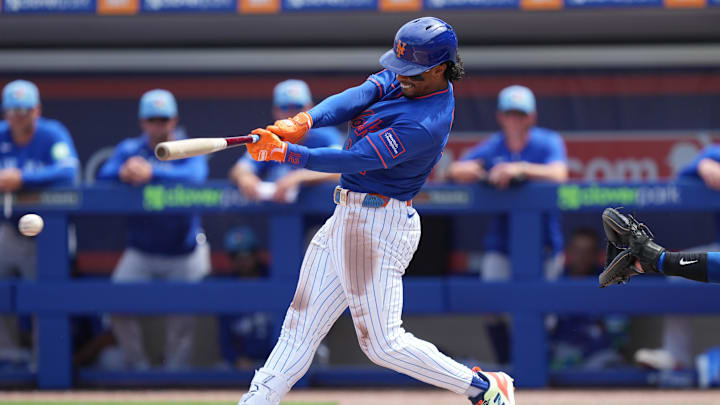
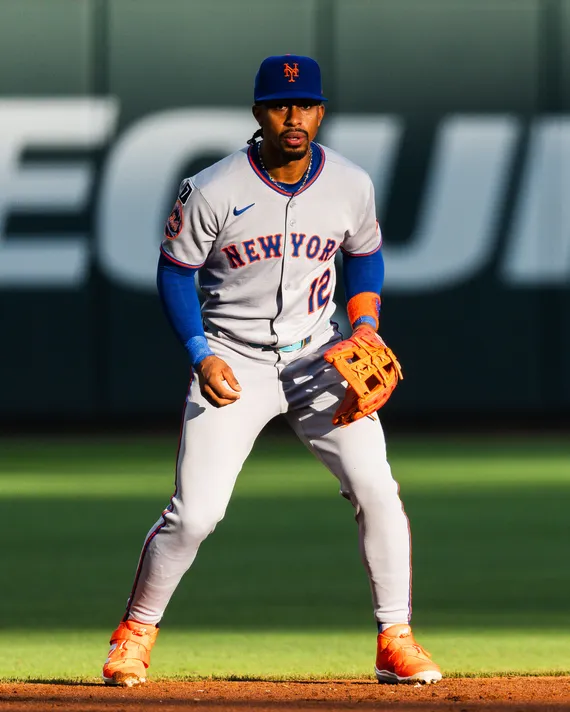
Mar 15, 2026; Port St. Lucie, Florida, USA; New York Mets shortstop Francisco Lindor (12) hits a single in the third inning against the Toronto Blue Jays at Clover Park. Mandatory Credit: Jim Rassol-Imagn Images | Jim Rassol-Imagn Images
But as the New York Mets prepare for the 2026 season, that very mindset may require a shift—for his own good and for the team’s future.
Lindor, now entering his age-32 season, has long been one of baseball’s most durable players. Since arriving in New York in 2021, he has averaged over 150 games per season and has routinely played through injuries that would sideline most players. Whether it’s a fractured toe, elbow discomfort, or lingering back issues, Lindor has made it clear: if he can play, he will.
That mentality has made him a leader and fan favorite.
It’s also what makes the Mets’ situation tricky.
Manager Carlos Mendoza and the organization now face a delicate balancing act—how to preserve one of their most valuable players over a 162-game season without clashing with his competitive instincts.
The answer may not be what Lindor wants to hear.
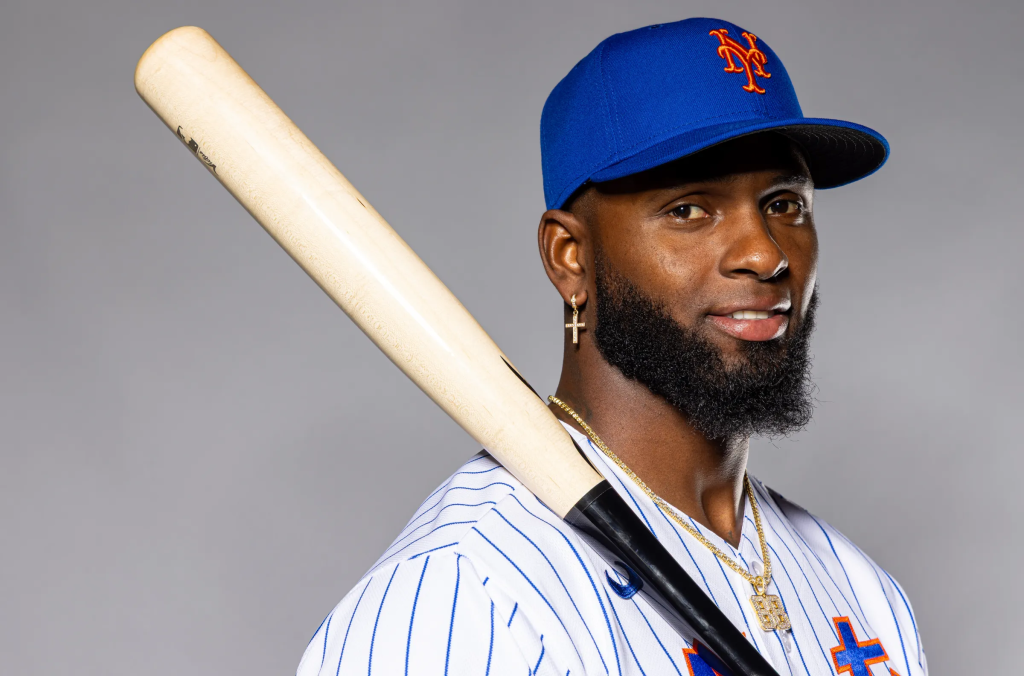
For the first time in his career, the Mets should strongly consider reducing his workload—not drastically in terms of games missed, but strategically in how he plays. That could mean more days off sprinkled throughout the season and, perhaps more importantly, increased appearances at designated hitter.
It’s a concept already being applied elsewhere. The idea of carefully managing a star’s workload—sometimes referred to as the “Luis Robert Jr. approach”—is becoming more common across the league. The goal is simple: keep elite players fresh and healthy for the long haul, especially as they move deeper into their 30s.
For Lindor, that shift is overdue.
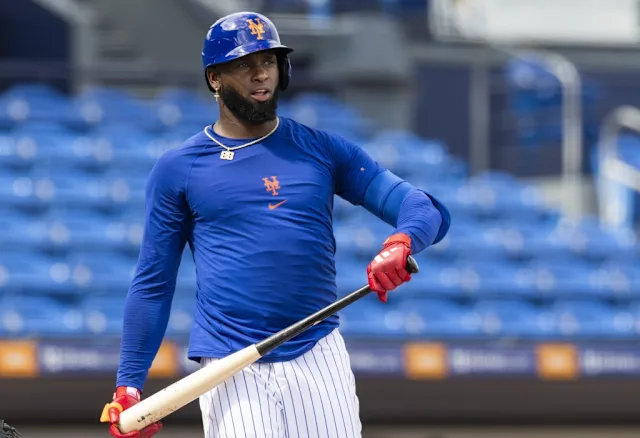
The wear and tear is starting to show. This past offseason alone, he underwent two separate surgeries—one on his elbow and another on his hand. While neither is expected to delay his 2026 debut, they serve as a reminder that even the most durable players are not immune to time.
And the stakes are high.
Lindor remains a cornerstone of the Mets’ roster, both on the field and financially. With multiple years and over $200 million still tied to his contract, the organization has every incentive to ensure he remains productive well into the future.
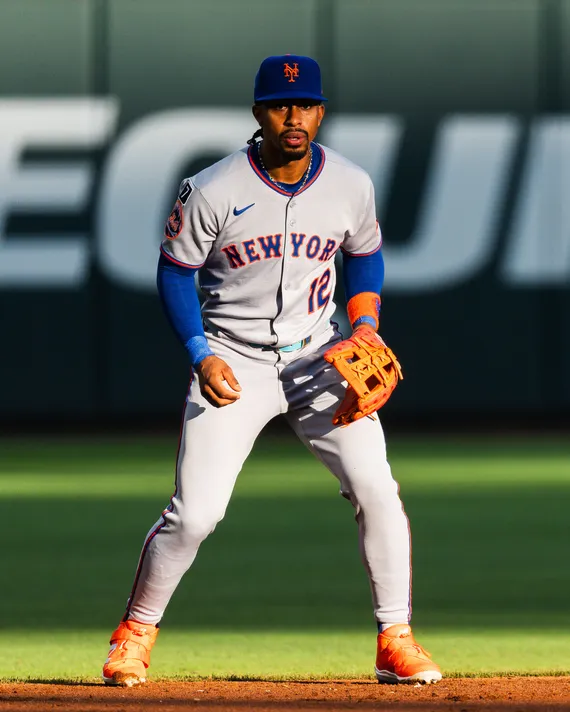
That means thinking beyond Opening Day.
The Mets have the roster flexibility to make this plan work. With players like Bo Bichette capable of stepping in at shortstop, along with depth across the infield, Mendoza has options to rotate Lindor without weakening the lineup. Occasional DH starts would allow him to stay in the batting order while reducing the physical toll of playing shortstop every day.
Of course, convincing Lindor won’t be easy.
He has made only a handful of DH appearances in his career and takes pride in being on the field. Sitting—even partially—runs counter to everything that has defined his career.
But adaptation is part of longevity.
If the Mets want Lindor to remain an impact player not just in 2026, but for years to come, they may need to protect him from his own competitive nature. It’s not about limiting him—it’s about extending his prime.
And if that means fewer innings in the field today, it could lead to many more meaningful ones down the road.
Leave a Reply