Ryan Lambert has been nearly untouchable this spring.

The New York Mets prospect has recorded nine outs in Grapefruit League action so far, and eight of them have come via strikeout. Along the way, he has allowed just one hit and issued two walks — numbers that suggest the young right-hander is performing exactly as the organization hoped.
At first glance, the results look dominant.
But a deeper look at the competition he has faced raises an important question: how much are the Mets really learning from these outings?
Dominant Numbers With a Caveat
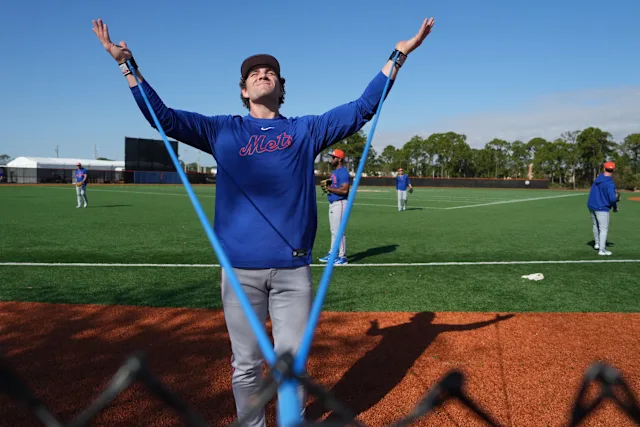
Strikeouts are always encouraging for a pitcher, regardless of the setting. Lambert’s ability to generate swings and misses has been a defining trait throughout his rise in the Mets system.
However, the level of hitters he has faced this spring has been notably low.
Baseball-Reference tracks the average quality of opposing hitters in spring training using a metric called Opponent Quality, or “OppQual.” Lambert currently sits at a 4.2 rating — one of the lowest figures among pitchers in major league camp.
In practical terms, that number indicates he has mostly been facing hitters whose experience level is roughly comparable to players just above Single-A.
That context changes how those strikeouts are interpreted.
Timing of Appearances Matters

The explanation largely comes down to when Lambert is entering games.
Because he has been pitching in later innings, he has often faced lineups filled with minor league depth players rather than established major league hitters. By the time Lambert takes the mound, starters and regular bench players are typically already out of the game.
As a result, his opponents have frequently been the “C-squad” versions of opposing rosters.
While dominating those hitters is still a positive sign, it doesn’t necessarily reveal how Lambert’s arsenal will hold up against top-tier competition.
He’s Already Proven Himself in the Minors
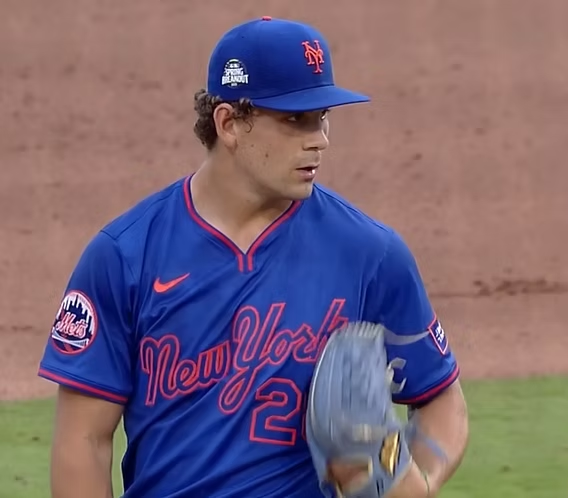
The Mets don’t need much convincing that Lambert has legitimate potential.
Last season, he overwhelmed hitters at multiple levels of the minor leagues. He posted a 1.13 ERA at High-A before continuing his dominance at Double-A with a 1.71 ERA. In 42 innings at Double-A, he struck out hitters at a remarkable 13.7 strikeouts per nine innings.
Those performances already established him as one of the organization’s most intriguing relief prospects.
Based on that track record, Lambert appears almost certain to begin the season at Triple-A. If he continues to perform at that level, a midseason call-up to the major league bullpen could easily become part of the conversation.
Spring Training Should Offer a Bigger Test
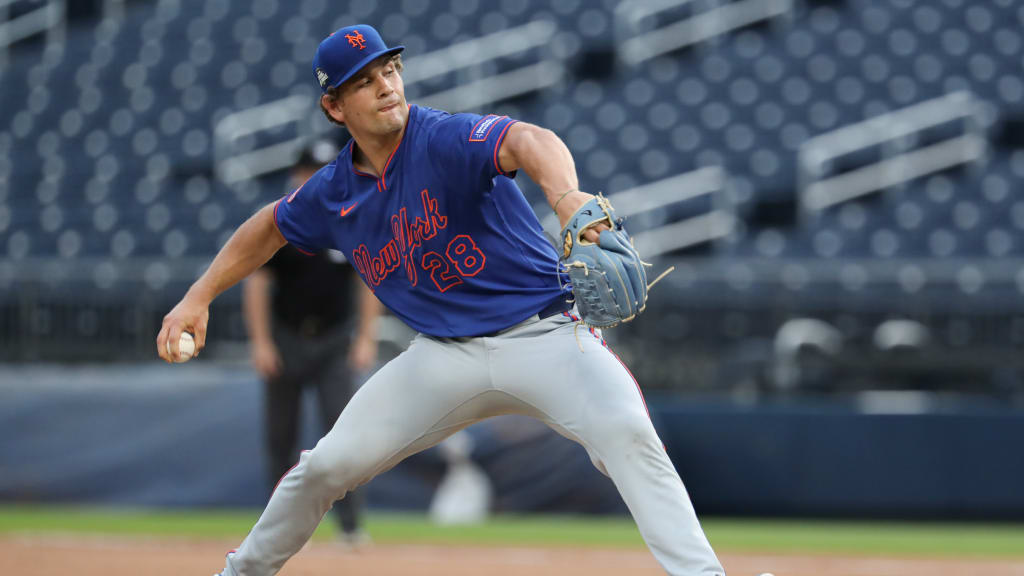
Spring training serves many purposes beyond evaluating prospects.
It allows players to prepare physically for the season, gives coaching staffs a chance to observe adjustments, and provides young players with opportunities to make impressions that might influence future decisions.
For Lambert, however, the opportunity to face stronger competition could provide valuable insight.
Facing experienced major league hitters would not necessarily change his roster outlook. But it could help both the player and the organization identify areas for refinement — whether that involves pitch sequencing, command, or handling tougher at-bats.
A Bigger Role Could Be Coming
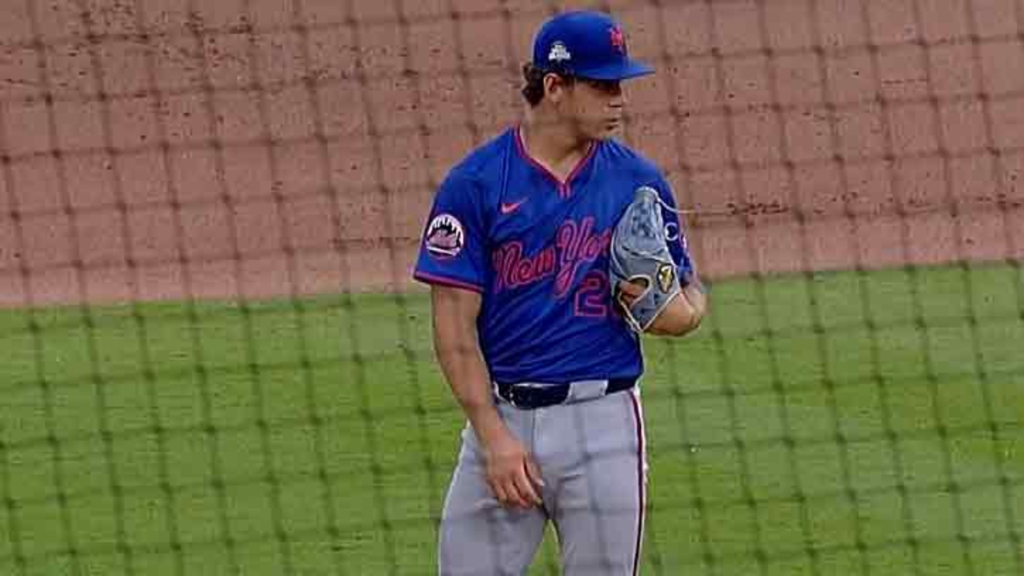
Lambert’s strikeout ability alone makes him a pitcher worth watching.
If his fastball and secondary pitches continue to miss bats the way they have throughout the minors, he could quickly develop into an important piece of the Mets bullpen.
But before that happens, there is still one step that would be helpful this spring.
The Mets already know he can overpower inexperienced hitters.
Now it might be time to see how he handles the real test.
Leave a Reply