On paper, the Atlanta Braves still appear to have one of the most dangerous rosters in baseball. But when you look beyond the star power, a significant weakness becomes clear: a lack of roster flexibility.
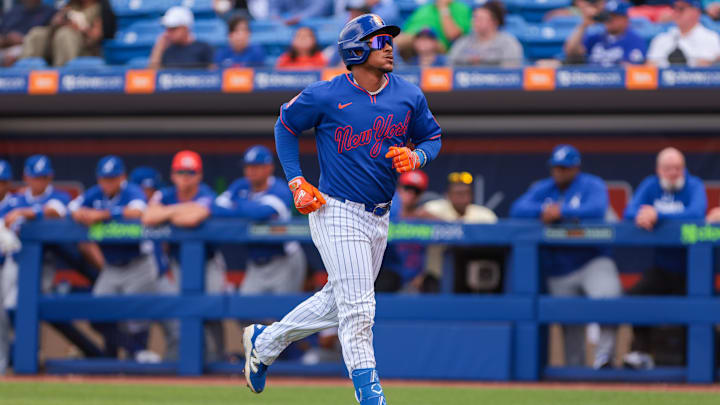
That’s an issue over the course of a 162-game season, where injuries, slumps, and unexpected roster needs are almost guaranteed to arise. The New York Mets, recognizing that reality, built their roster this offseason with adaptability in mind — a strategy that could prove decisive in the NL East race.
Braves Have Star Power but Limited Flexibility

The Braves still boast an impressive core of elite talent. Players like:
- Ronald Acuña Jr.
- Matt Olson
- Chris Sale
- Spencer Strider
ensure that Atlanta will remain competitive against any opponent.
However, once you move past that core group, the roster begins to look less dynamic.
Atlanta’s projected bench includes players such as Jorge Mateo, Brett Wisely, and Eli White, with Jonah Heim serving as the backup catcher. While those players can provide coverage, they don’t necessarily offer the kind of impact depth that allows a team to reshape its lineup if problems arise.
In other words, the Braves appear to be relying heavily on their starting group staying healthy and productive.
Mets Built a Roster With Backup Plans

The New York Mets, meanwhile, approached roster construction differently.
Backed by owner Steve Cohen’s willingness to spend aggressively, the Mets prioritized building not just a talented roster, but one with multiple contingency plans.
That flexibility shows up throughout their projected lineup.
Players such as:
- Bo Bichette
- Marcus Semien
- Jorge Polanco
can move around the field to fill different roles. That positional versatility allows the Mets to adjust if injuries occur or if certain players perform better in new positions.
Rather than locking themselves into a rigid structure, the Mets created a roster that can evolve as the season unfolds.
Pitching Depth Also Sets the Mets Apart

The Mets’ commitment to flexibility extends to the pitching staff.
Their offseason trade for Freddy Peralta signaled a clear win-now mentality, as the team surrendered significant prospect capital to acquire a frontline starter.
But beyond that move, New York still retains several young arms who could contribute during the season, including:
- Nolan McLean
- Jonah Tong
- Christian Scott
Having those pitchers in the system creates legitimate competition and insurance for the rotation.
If a veteran struggles or suffers an injury, the Mets already have internal options capable of stepping in.
A Subtle but Important Advantage
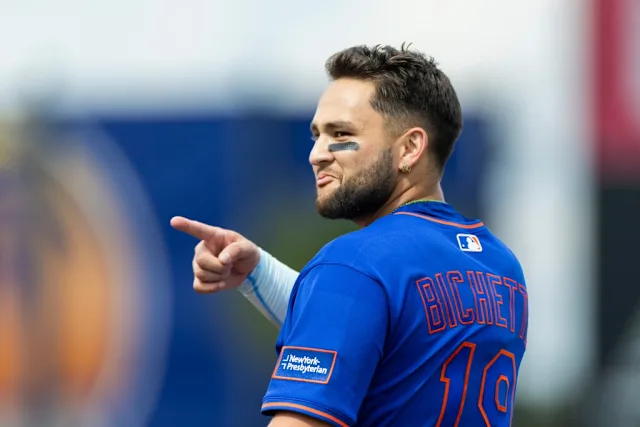
The contrast between these two rivals highlights a key difference in roster philosophy.
The Braves still have the talent to compete for the division, but their depth currently looks more like emergency coverage than true strategic flexibility.
The Mets, on the other hand, built a roster designed to adapt as circumstances change.
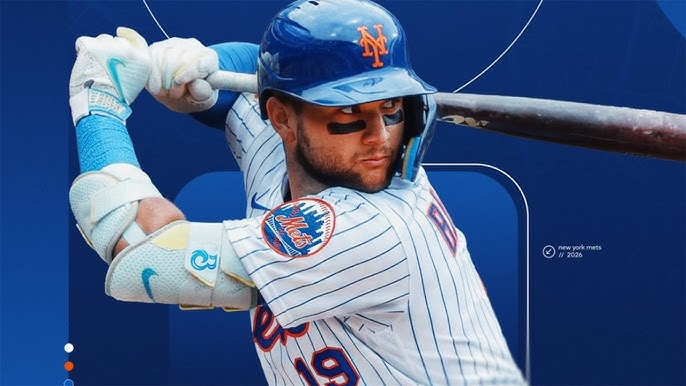
For a team hoping to survive the long grind of a baseball season — and eventually make a deep postseason run — that kind of flexibility could prove invaluable. ⚾
Leave a Reply