The New York Mets made a quiet but meaningful decision just before Opening Day—one that could have longer-term implications than it first appeared.
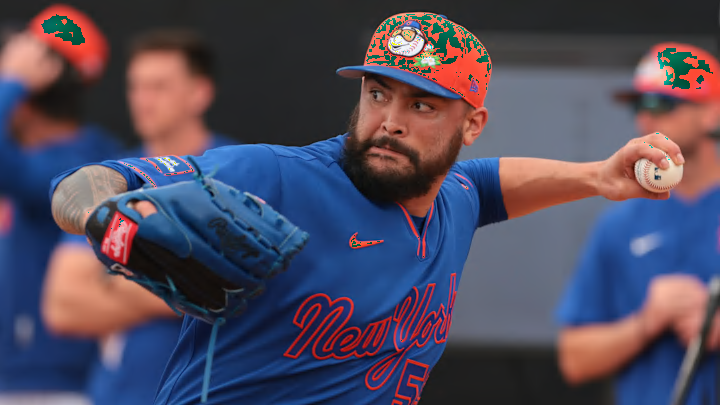
Feb 17, 2026; Port St. Lucie, FL, USA; New York Mets pitcher Sean Manaea (59) works during spring training at Clover Park. Mandatory Credit: Sam Navarro-Imagn Images | Sam Navarro-Imagn Images
Sean Manaea, expected to be part of the starting rotation, was instead moved to the bullpen. And while the shift may be temporary, his first outing in that role raised as many questions as it answered.
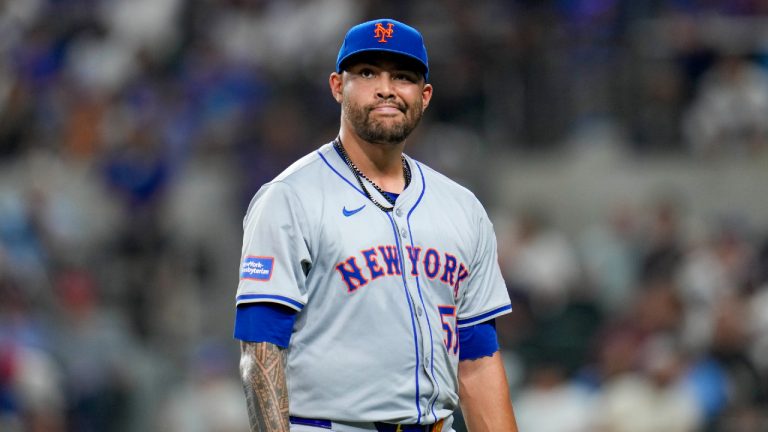
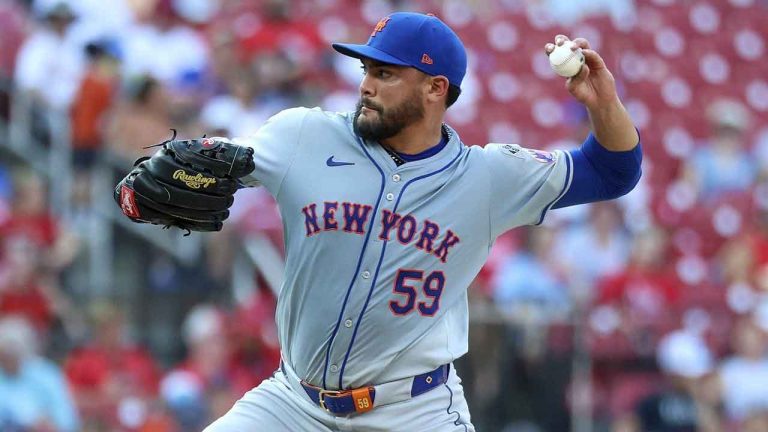
Manaea made his 2026 debut out of the bullpen in Sunday’s 4-3 extra-inning loss, tossing 1.1 innings. He allowed one hit and two walks but managed to keep the Pirates off the scoreboard while striking out two.
On the surface, it was a serviceable appearance.
But the details underneath tell a more complicated story.
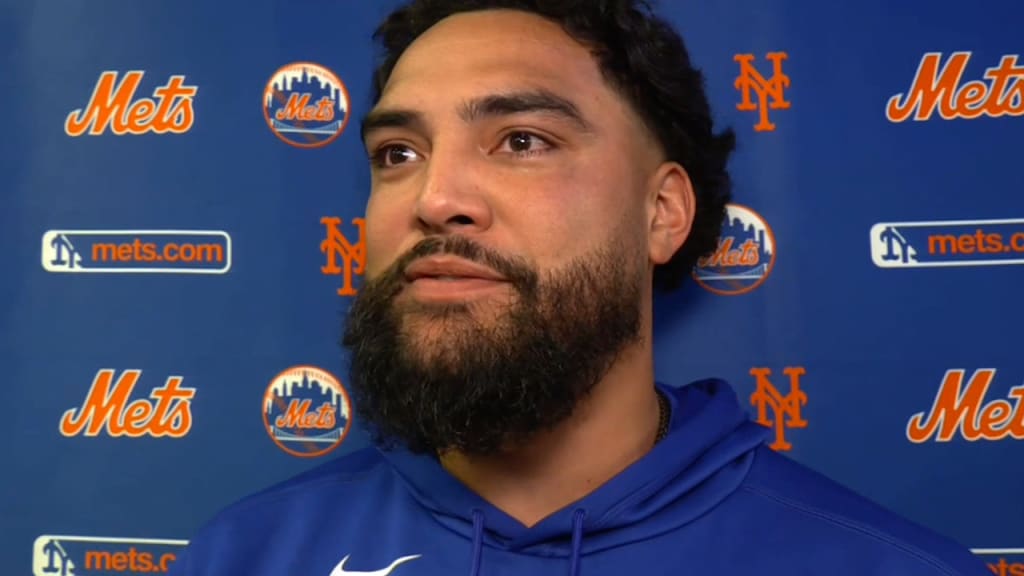
After the game, Manaea took a measured approach when asked about the adjustment.
He acknowledged there’s still work to be done but emphasized his willingness to adapt. Whether starting or relieving, his mindset remains simple—be ready when called upon.
That flexibility may be exactly what the Mets are counting on.
The original plan wasn’t for Manaea to serve in a traditional bullpen role. Instead, the team envisioned him as a “piggyback” option—entering behind a starter to cover multiple innings and ease workload early in the season.
That didn’t fully play out Sunday.
Rather than following directly behind starter Nolan McLean, Manaea entered later in the game, taking over in the seventh inning in a higher-leverage spot. Manager Carlos Mendoza appeared to be strategic, deploying him when the top of Pittsburgh’s lineup came around.
It made sense on paper.
The Pirates’ top order featured several left-handed hitters, creating a favorable matchup for Manaea. Facing hitters like Oneil Cruz and Bryan Reynolds, the Mets leaned into the lefty-lefty advantage.
But while the matchup worked, the underlying performance showed signs of concern.
Manaea’s fastball averaged just 88.7 mph—roughly three miles per hour lower than his average from last season. Perhaps more troubling, that velocity didn’t tick up at all despite the adrenaline of Opening Day.
And when hitters did make contact, they hit the ball hard.
All three balls put in play against him came off the bat at over 100 mph, including a 108.6 mph groundout from Nick Gonzales. While none of that resulted in runs, it suggests his margin for error may be thinner than usual.
Still, the Mets got what they needed in the moment.
Manaea helped keep the game within reach at a time when bullpen options were limited, giving New York a chance to stay competitive deep into extra innings.
Looking ahead, his role remains fluid.
The Mets still view Manaea as a starter long-term, and future outings could stretch him out further in relief as he builds up his workload. There’s also the possibility of pairing him in a long-relief tandem, creating matchup advantages while keeping him prepared for a return to the rotation.
For now, though, the situation feels like a balancing act.
Manaea is adapting. The Mets are experimenting. And somewhere in between lies the bigger question:
Is this just a temporary adjustment—or an early signal of something more permanent?
Leave a Reply