The Mets made a surprising call with Sean Manaea — but internally, the message is clear: this is not a demotion. It’s a plan.
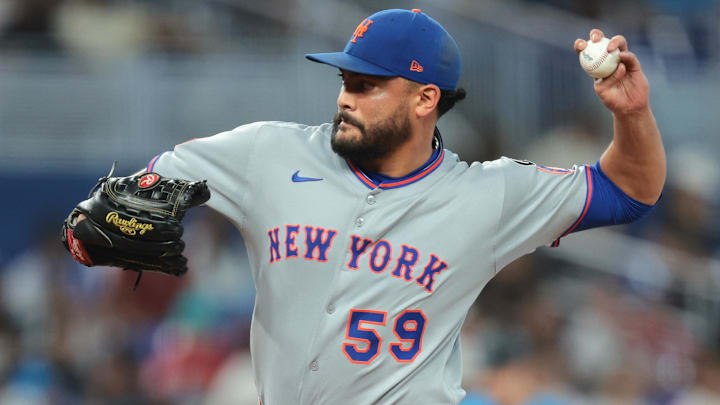
Sep 28, 2025; Miami, Florida, USA; New York Mets starting pitcher Sean Manaea (59) delivers a pitch against the Miami Marlins during the first inning at loanDepot Park. Mandatory Credit: Sam Navarro-Imagn Images | Sam Navarro-Imagn Images
After a difficult spring, New York shifted the veteran left-hander out of the starting rotation and into a piggyback bullpen role to open the 2026 season. On the surface, it raised immediate concerns about his performance and long-term outlook.
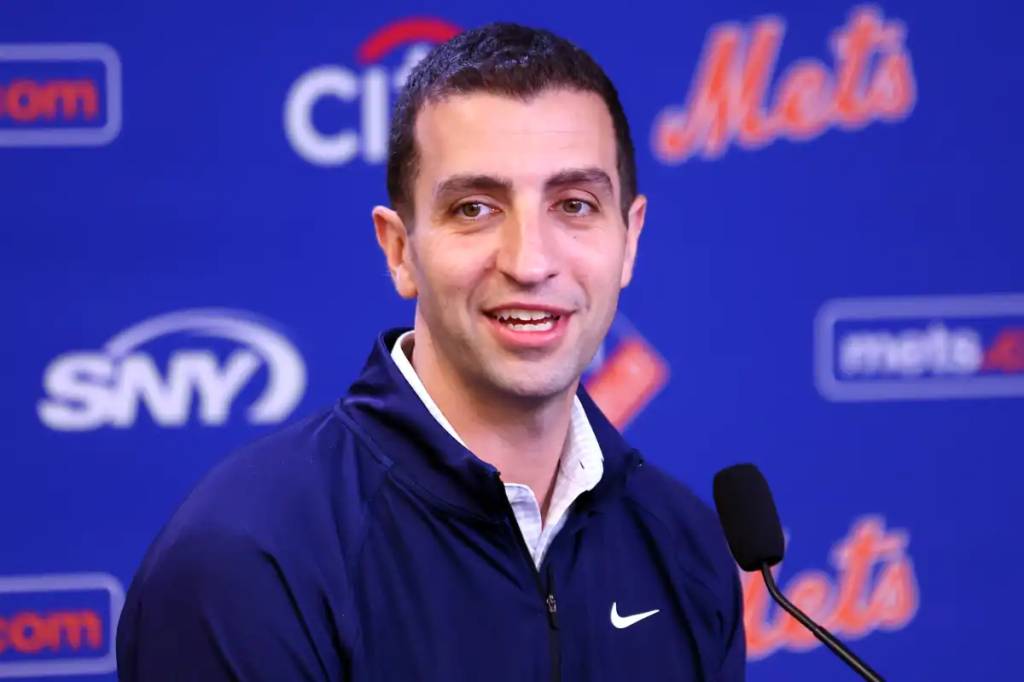
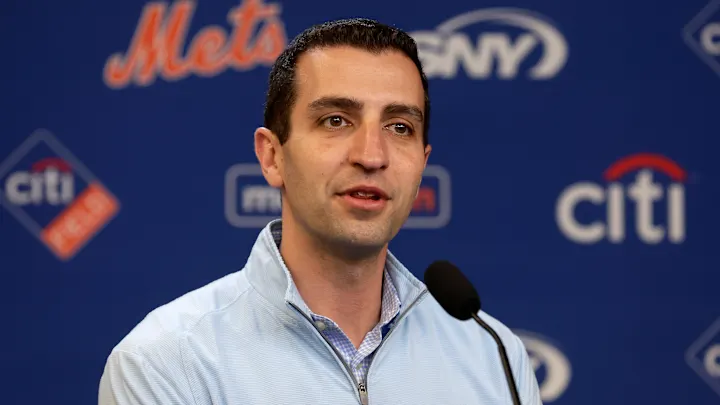
But according to team president David Stearns, the bigger picture hasn’t changed.
Manaea is still very much part of the Mets’ rotation plans — just not right away.
The move comes after a troubling spring in which Manaea struggled to find his usual velocity. His fastball, typically sitting in the low 90s, often dipped into the high 80s. While he briefly touched 92 mph in a recent outing, the inconsistency was enough to force the organization’s hand.
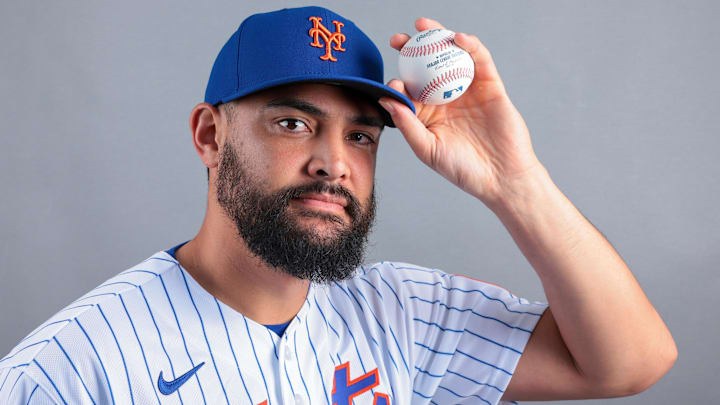
Feb 19, 2026; Port St. Lucie, FL, USA; New York Mets pitcher Sean Manaea (59) poses for a photo during media day at Clover Park. Mandatory Credit: Sam Navarro-Imagn Images | Sam Navarro-Imagn Images
Given his age — now entering his 34-year-old season — and a 2025 campaign disrupted by oblique and elbow injuries, the Mets chose caution over risk.
Still, Stearns made it clear the team is not panicking.
“We expect Sean to be a big part of this team,” Stearns said. “We’re going to need him. He’s going to make starts for us — and I’d expect him to make a lot of starts.”
That confidence stands in sharp contrast to how the situation might look from the outside.
Just weeks ago, Manaea was expected to hold a firm spot in the rotation. Now, he begins the year in a hybrid role — a shift that would typically signal uncertainty. Instead, the Mets are framing it as a temporary adjustment designed to get him right.
Part of that belief comes from what they saw late in spring.
While the velocity remained inconsistent, Manaea’s secondary pitches showed life. His command improved, and perhaps most encouragingly, he was still able to generate swings and misses — even without premium velocity.
In his final Grapefruit League appearance, he delivered four perfect innings with four strikeouts, offering a glimpse of what he can still be when everything clicks.
The Mets are betting that those flashes matter more than the radar gun.
Stearns suggested that game intensity — and adrenaline — could naturally bring Manaea’s velocity back up once the regular season begins. It’s a belief echoed by the pitcher himself.
Manaea has downplayed the concerns, expressing confidence that his fastball will return as the stakes rise and the environment changes.
For him, the role shift is frustrating — but not defining.
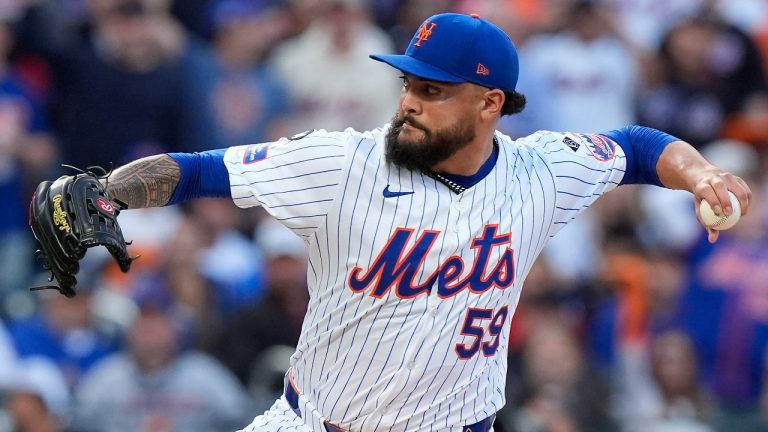
He still sees himself as a starter. And importantly, the Mets do too.
That alignment may ultimately determine how this situation unfolds.
New York entered the season expecting to rely on a deep rotation, but like every team, they understand how quickly pitching plans can change. Injuries, performance swings, and workload management will all factor in over the coming months.
When those moments come, Manaea is expected to be ready.
In many ways, this early-season decision reflects a broader organizational mindset: protect the arm now, trust the talent later.
The Mets didn’t take the move lightly. But with built-in depth and long-term goals in mind, they’re choosing patience — and placing a quiet bet that Manaea will reward it.
Because if he does regain his form, this won’t be remembered as a setback.
It’ll be remembered as the turning point that got him there.
Leave a Reply