The White Sox enter the 2026 season with something they haven’t had in a while — uncertainty mixed with opportunity.
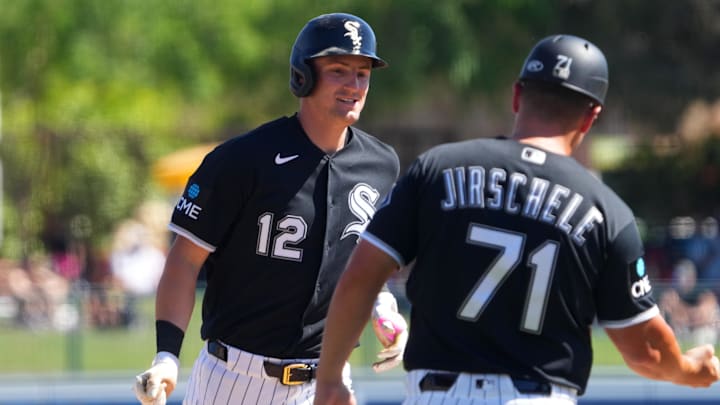
Mar 11, 2026; Phoenix, Arizona, USA; Chicago White Sox shortstop Colson Montgomery (12) slaps hands with Chicago White Sox third base coach Justin Jirschele (71) after hitting a home run against the Los Angeles Angels during the third inning at Camelback Ranch-Glendale. Mandatory Credit: Joe Camporeale-Imagn Images | Joe Camporeale-Imagn Images
As they prepare to open the year in Milwaukee, Chicago is leaning heavily on a new wave of talent. After a productive spring, there’s a growing sense that this roster is evolving, and with that comes a likely shift in who leads the team statistically.
This isn’t last year’s group anymore. And the names atop the stat sheet could look very different.
Batting Average: Edgar Quero
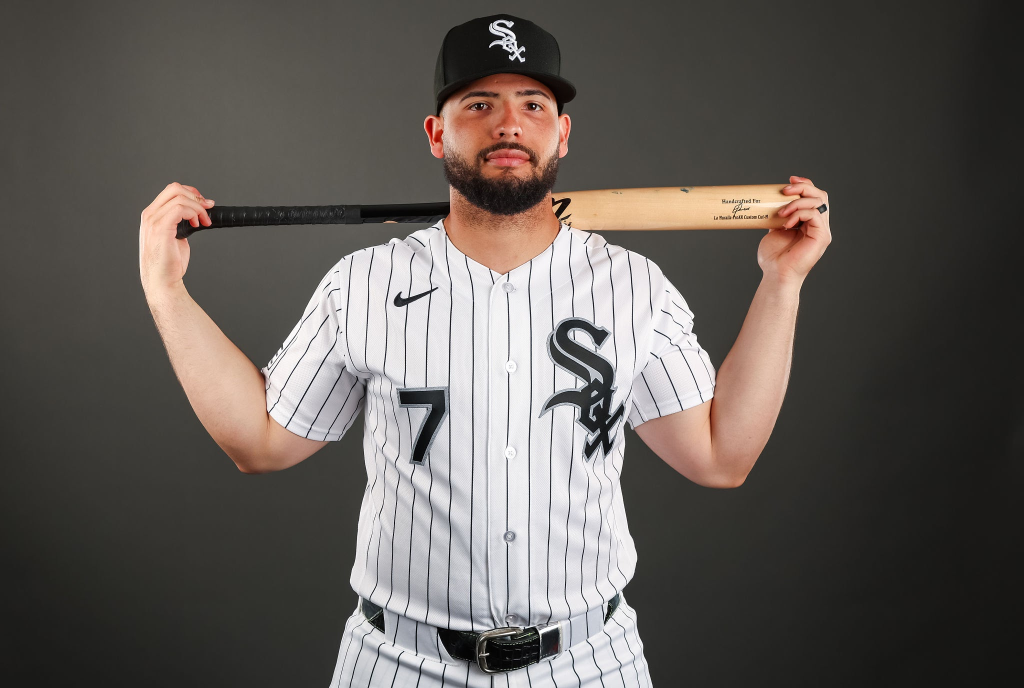
Edgar Quero may not have dominated headlines during his rookie season, but his skill set stood out. His ability to make consistent contact and control the strike zone hinted at something more.
After hitting .268 in his first taste of the majors, Quero spent the offseason refining his swing, focusing on bat speed and launch angle. Early returns in spring training were promising, as he hit .300 and looked more confident at the plate.
With Kyle Teel sidelined to begin the season, Quero is positioned for significant playing time. If his contact skills translate and his adjustments hold, he could quietly emerge as the team’s most reliable hitter.
Home Runs: Colson Montgomery
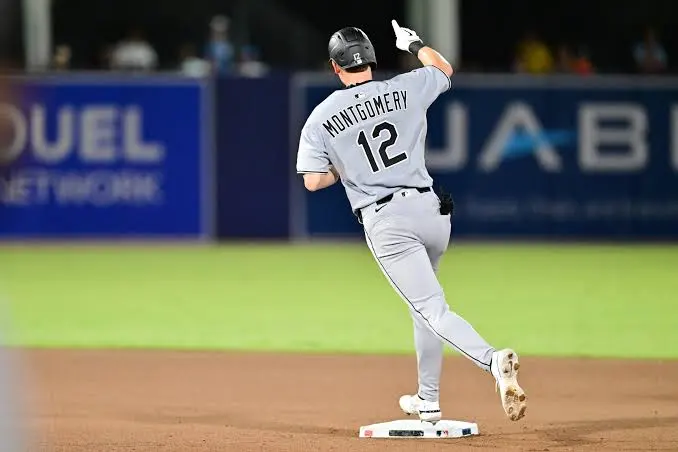
There may be flashier names, but Colson Montgomery feels like the most complete bet for power.
After launching 21 home runs in the second half of 2025, he established himself as a legitimate middle-of-the-order threat. Now heading into his first full season, expectations are rising quickly.
If he stays healthy, a 30-plus homer season feels well within reach — and pushing toward 40 isn’t out of the question. The key will be discipline. If he can cut down on strikeouts, Montgomery could become the White Sox’s most dangerous power bat since their last true slugging era.
Stolen Bases: Luisangel Acuña
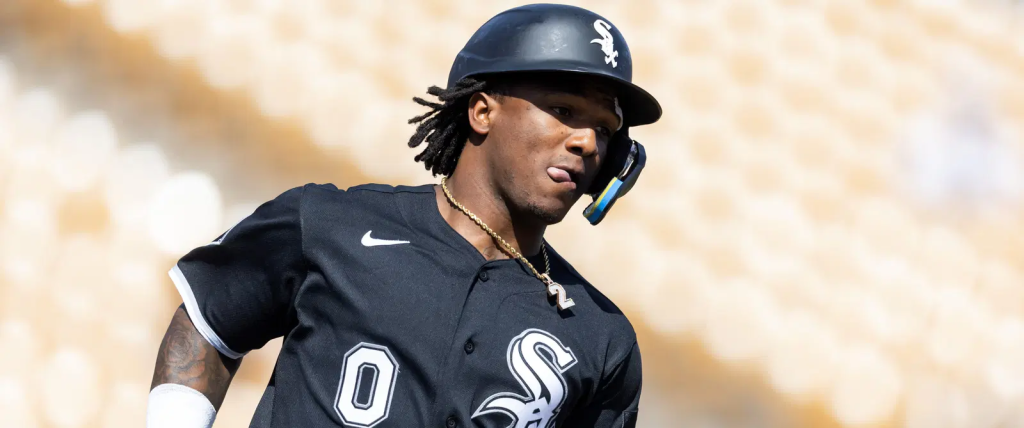
Luisangel Acuña may not mirror his brother’s superstar profile, but his speed is undeniable.
Even if his bat remains a question mark, his athleticism ensures he’ll have a role. The White Sox have shown a willingness to be aggressive on the bases this spring, and Acuña fits that identity perfectly.
The real variable is opportunity. If he gets on base consistently enough, his speed should allow him to separate quickly from the rest of the roster in stolen bases.
Earned Run Average: Anthony Kay
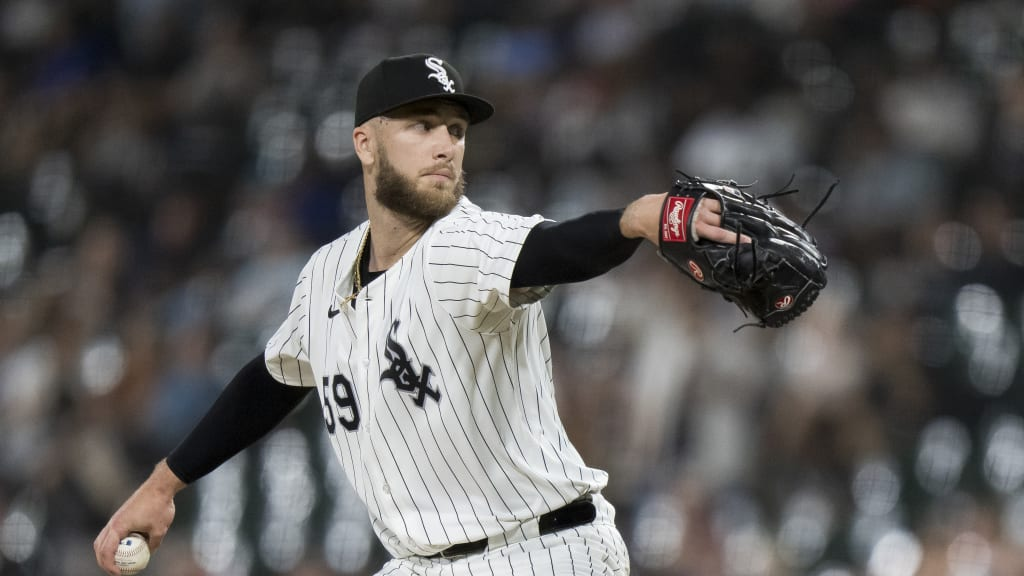
Predicting the rotation leader is far less straightforward.
There’s no clear ace, and several arms come with question marks. That opens the door for Anthony Kay, who quietly impressed for most of the spring before one late stumble.
His stuff has looked sharper than it did during his stint in Japan, and there’s reason to believe he can carry that momentum into the regular season. While he may not dominate, consistency could be enough to make him the staff’s most effective starter.
Strikeouts: Sean Burke
If there’s one pitcher built to rack up strikeouts, it’s Sean Burke.
His recent track record has been uneven, but the raw ability is there. From bouncing between levels to finishing last season with a dominant outing, Burke’s path hasn’t been linear — but it has shown flashes of real upside.
Now locked into the rotation, he has the chance to establish himself. If he can harness his stuff and limit mistakes, his strikeout totals could stand out on a staff still searching for identity.
Saves: Seranthony Domínguez
This may be the easiest projection of the group.
The White Sox brought in Seranthony Domínguez with a clear purpose: stabilize the back end of the bullpen. After a season where no one truly owned the closer role, Chicago is looking for consistency.
Even if roles shift later in the year, Domínguez is expected to handle the majority of save opportunities. His presence alone should bring more structure to a bullpen that lacked it last season.
A Team in Transition
What stands out most about this group isn’t just the names — it’s what they represent.
The White Sox are no longer leaning on established stars to carry the load. Instead, they’re betting on development, upside, and internal growth.
That approach comes with risk. Young players can be unpredictable, and growing pains are almost inevitable.
But it also brings something the franchise has been searching for: a new core.
If even a few of these projections hit, Chicago could take a meaningful step forward in 2026 — not just in the standings, but in shaping the identity of its next competitive window.
Leave a Reply