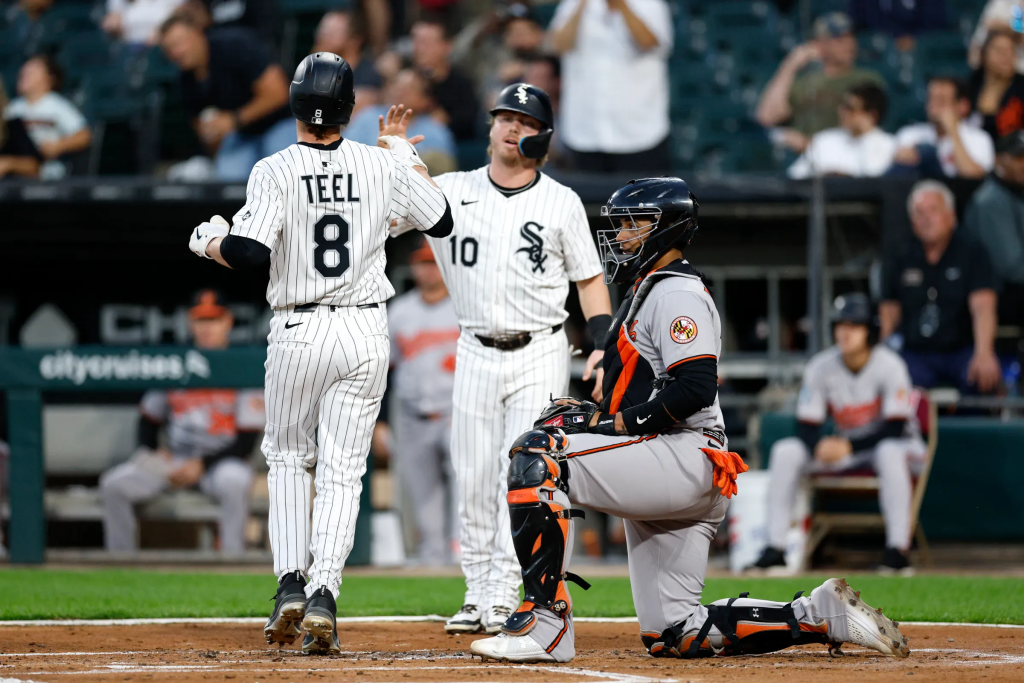
With Opening Day just two weeks away, the Chicago White Sox are beginning to narrow down their roster decisions ahead of their season opener in Milwaukee on March 26. While a few position battles are still unresolved, the club has already confirmed that right-hander Shane Smith will start Opening Day on the mound.
What remains uncertain is how the lineup behind him will look.
Spring training performances have offered some clues, and the lineup the White Sox roll out in Game 1 could provide a glimpse into the organization’s long-term direction. Here is one possible projection for Chicago’s Opening Day batting order.
1. Chase Meidroth – 2B
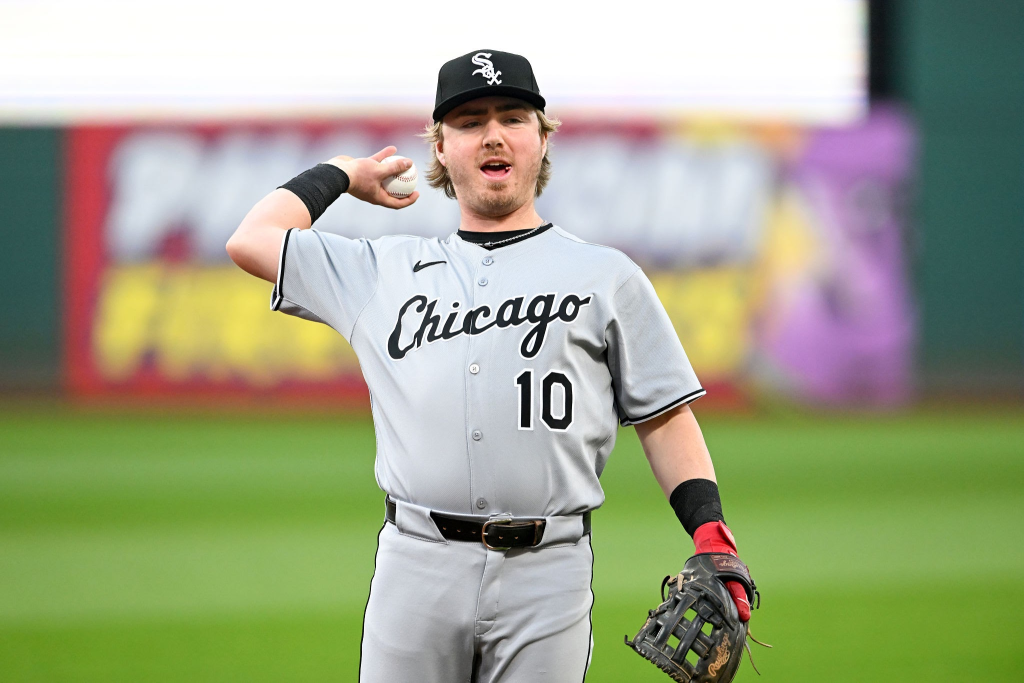
The White Sox experimented with several players in the leadoff spot this spring, including Luisangel Acuña, Curtis Mead, Andrew Benintendi, and Chase Meidroth.
Meidroth appears to have a strong case. He has already drawn eight walks in Cactus League play, showing the type of on-base ability teams typically want at the top of the order. While consistency will be important moving forward, Meidroth’s patience at the plate could help set the tone early in games.
If Chicago decides to prioritize speed instead, Acuña could eventually take over this role. But Meidroth’s plate discipline makes him a strong early candidate.
2. Colson Montgomery – SS
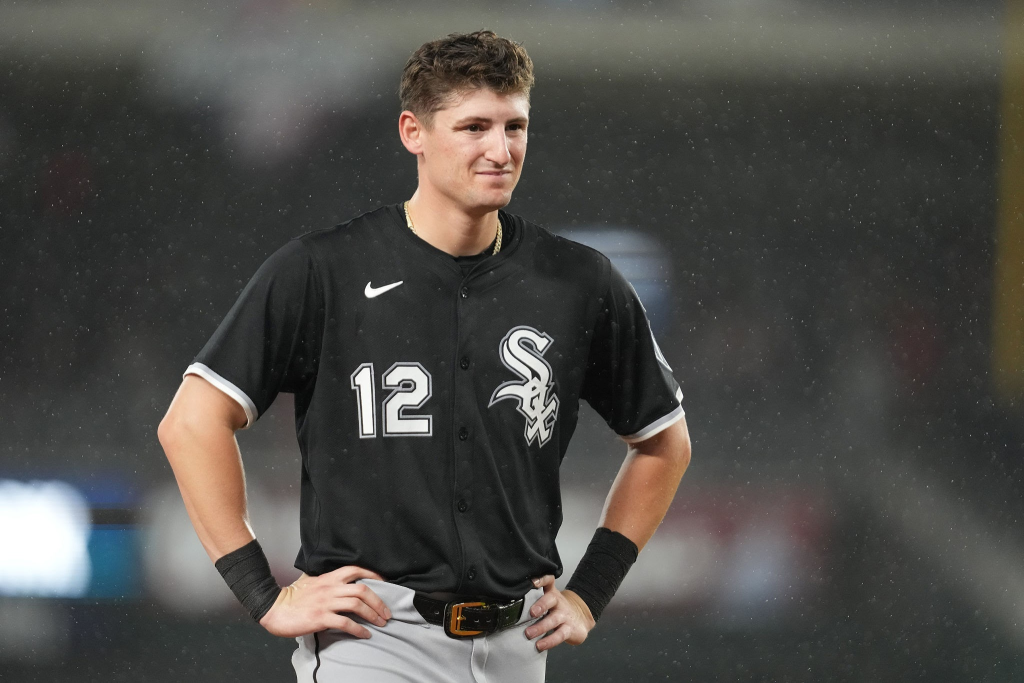
Many teams now use the No. 2 spot for their best all-around hitter, and the White Sox hope that player will be Colson Montgomery.
With Munetaka Murakami adding power to the middle of the order, Chicago can move Montgomery up and give him more opportunities at the plate. The organization hopes his strong finish to last season will carry over into 2026, especially with more protection behind him in the lineup.
3. Miguel Vargas – 3B
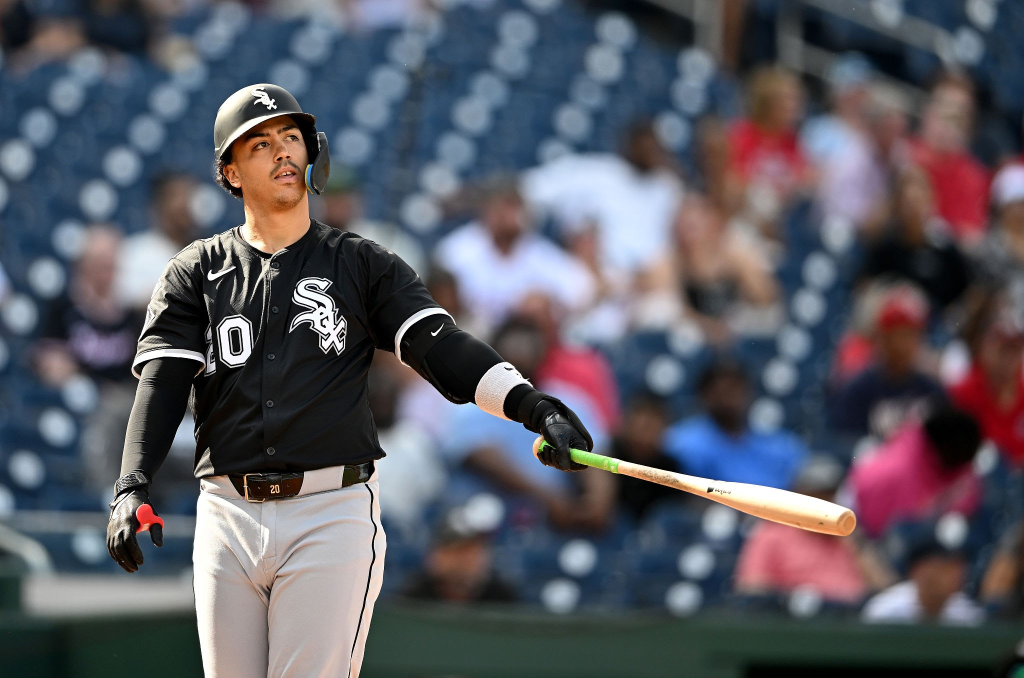
Miguel Vargas could serve as the bridge between the lineup’s table-setters and its power hitters.
The versatile infielder has shown a balanced offensive skill set, combining on-base ability with occasional power. After making adjustments to his swing last season, Vargas is looking to produce his first fully consistent campaign in Chicago.
If his progress continues, Vargas could emerge as a key long-term piece of the White Sox offense.
4. Munetaka Murakami – 1B
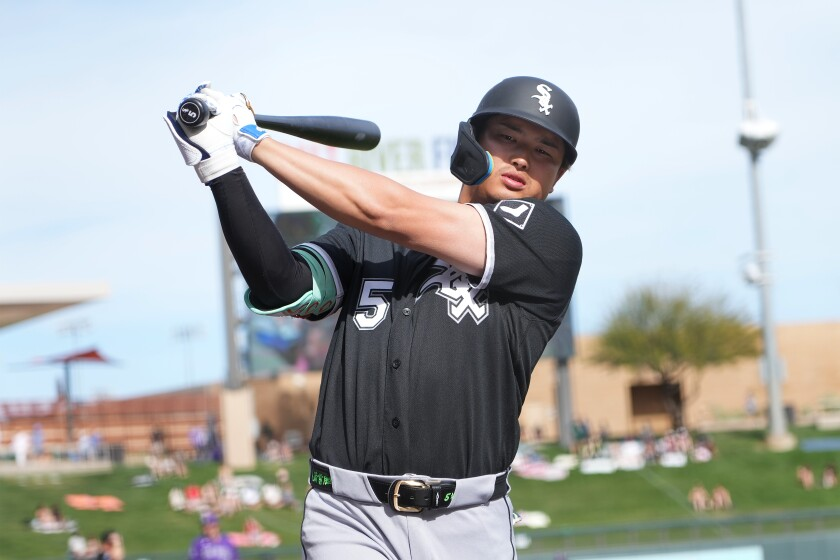
The White Sox’ biggest offseason addition, Munetaka Murakami, brings elite power potential to Chicago’s lineup.
The Japanese slugger is capable of changing games with one swing, though his aggressive approach can also lead to high strikeout totals. If Murakami adapts quickly to major league pitching, he could become the team’s primary run producer in the heart of the order.
His power alone makes him a natural fit for the cleanup spot.
5. Austin Hays – RF
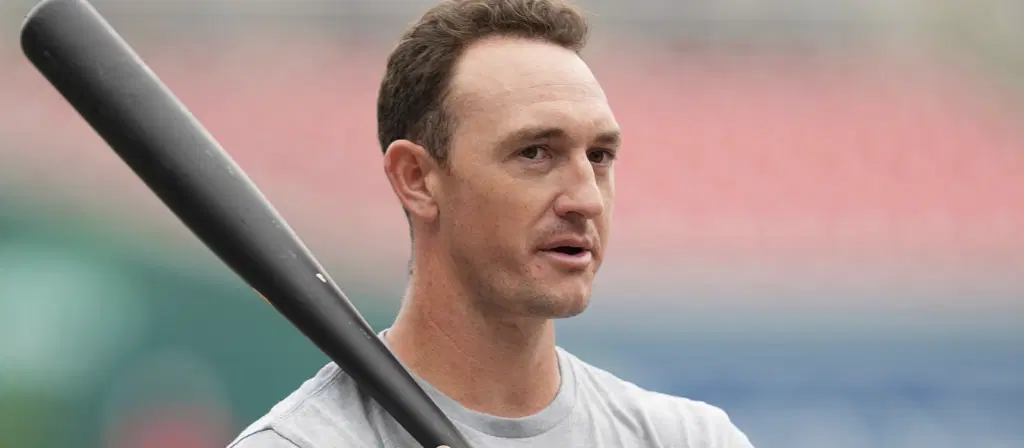
Another key offseason addition, Austin Hays brings experience and stability to the White Sox lineup.
The former All-Star has been one of the team’s hottest hitters during spring training and is currently tied for the club lead in home runs. While he isn’t typically viewed as a pure power hitter, a healthy Hays could realistically produce 15–20 home runs while providing a reliable bat behind Murakami.
He may also rotate between right field, left field, and designated hitter depending on lineup needs.
6. Andrew Benintendi – LF
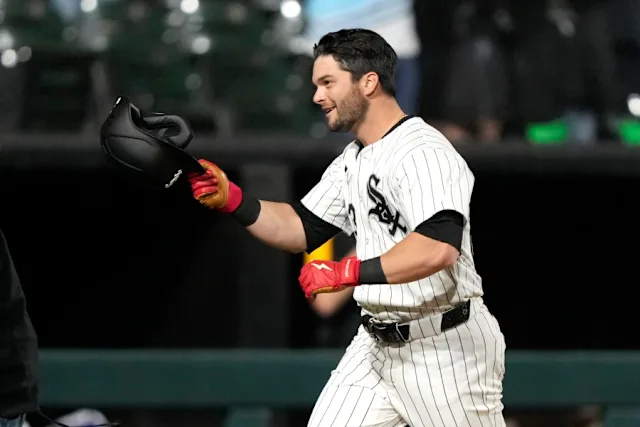
After dealing with injuries during his time in Chicago, Andrew Benintendi enters 2026 looking for a fully healthy season.
The veteran outfielder reportedly trimmed weight during the offseason and appears physically ready to handle a full workload again. While he will primarily play left field, the White Sox could also use him at designated hitter at times to keep his bat fresh.
When healthy, Benintendi remains a dependable left-handed contact hitter capable of moving around the lineup.
7. Lenyn Sosa – DH
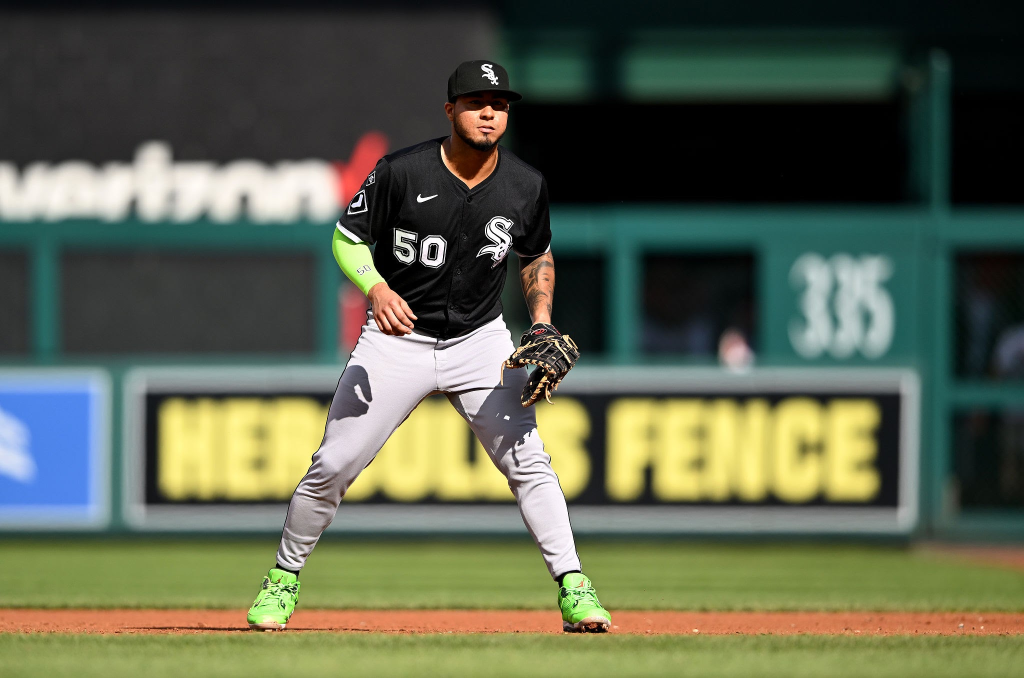
Lenyn Sosa remains one of the more puzzling players on Chicago’s roster.
The infielder offers legitimate power, but his struggles to reach base and lack of a clear defensive position make his role uncertain. The injury to Kyle Teel could give Sosa an extended opportunity at designated hitter, where he can focus exclusively on offense.
At his best, Sosa has the potential to produce 20-plus home runs and provide occasional bursts of offense.
8. Edgar Quero – C
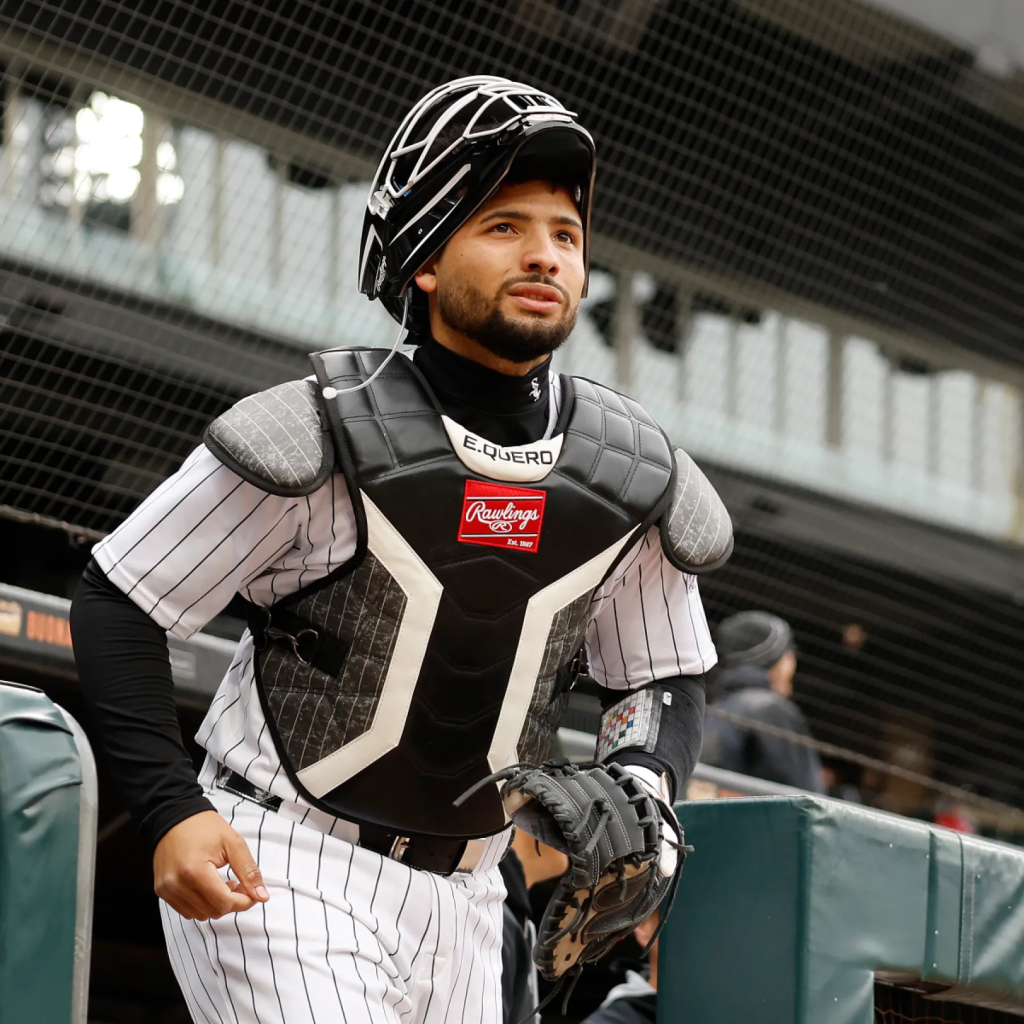
At just 22 years old, catcher Edgar Quero may benefit the most from Teel’s early-season injury.
The switch-hitting backstop is expected to handle the majority of catching duties until Teel returns. Quero performed particularly well against left-handed pitching in 2025, though the White Sox believe his offseason work — including training at Driveline Baseball — could improve his overall offensive profile.
If he adjusts quickly, Quero could become a long-term cornerstone behind the plate.
9. Luisangel Acuña – CF
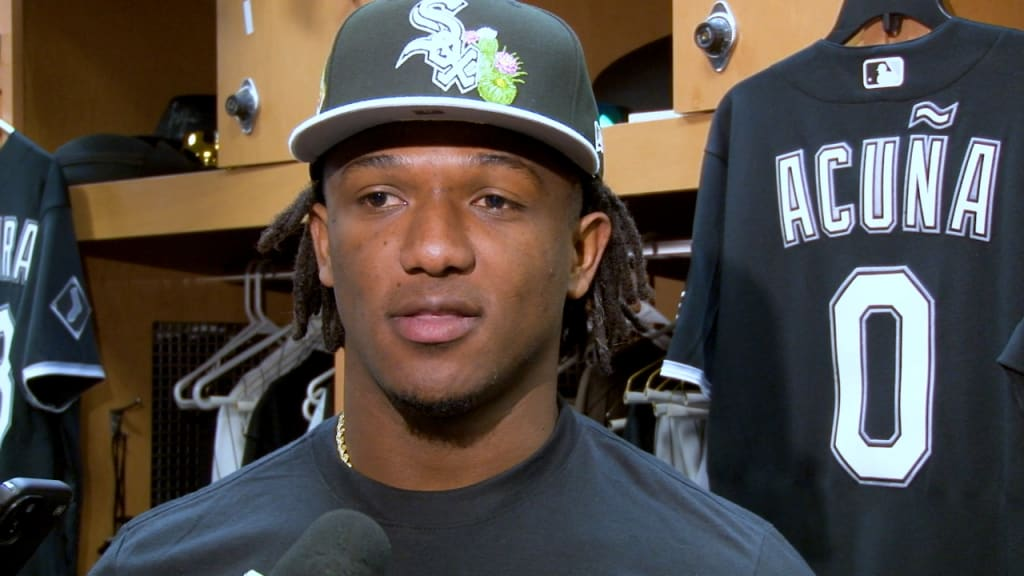
After being acquired from the Mets earlier this year, Luisangel Acuña appears poised to begin the season as Chicago’s primary center fielder.
Known for his speed, defensive versatility, and athleticism, Acuña could provide an exciting dynamic at the bottom of the lineup. His ability to steal bases and create pressure on opposing defenses adds a different dimension to the White Sox offense.
If his strong spring continues into the regular season, Acuña could eventually move higher in the batting order.
A lineup built around the future
This projected lineup reflects the White Sox’ broader strategy of blending young talent with a few experienced additions.
Players like Montgomery, Murakami, Acuña, and Quero represent potential building blocks for the next competitive window in Chicago.
While there are still questions surrounding consistency, contact rates, and development, the upcoming season could offer the first real look at what the next era of White Sox baseball might resemble. ⚾
Leave a Reply