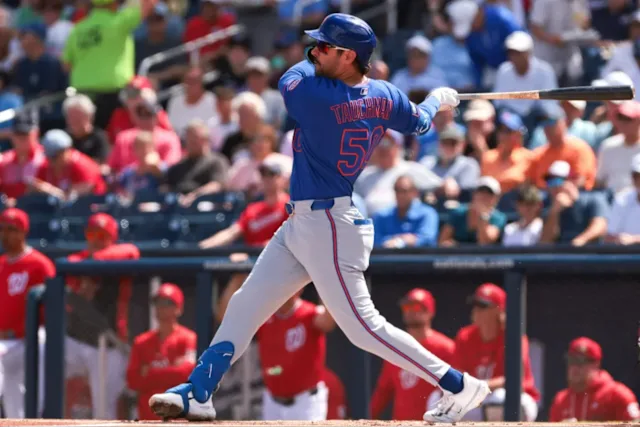
The Mets have two looming opt-out decisions.
One feels straightforward. The other could shape their bullpen.
The Easy One: Tauchman Has Earned It
Mike Tauchman has made this decision simple.
After signing a minor league deal with a late opt-out, he gave the Mets time — and then forced their hand with his performance. His spring numbers have been strong across the board, showing both patience at the plate and consistent contact.
More importantly, he fits exactly what this roster needs.
Tauchman brings defensive versatility across the outfield and a disciplined approach that plays well off the bench. For a team juggling playing time and depth, that kind of reliability is hard to pass up.
A Roster Fit That Makes Sense
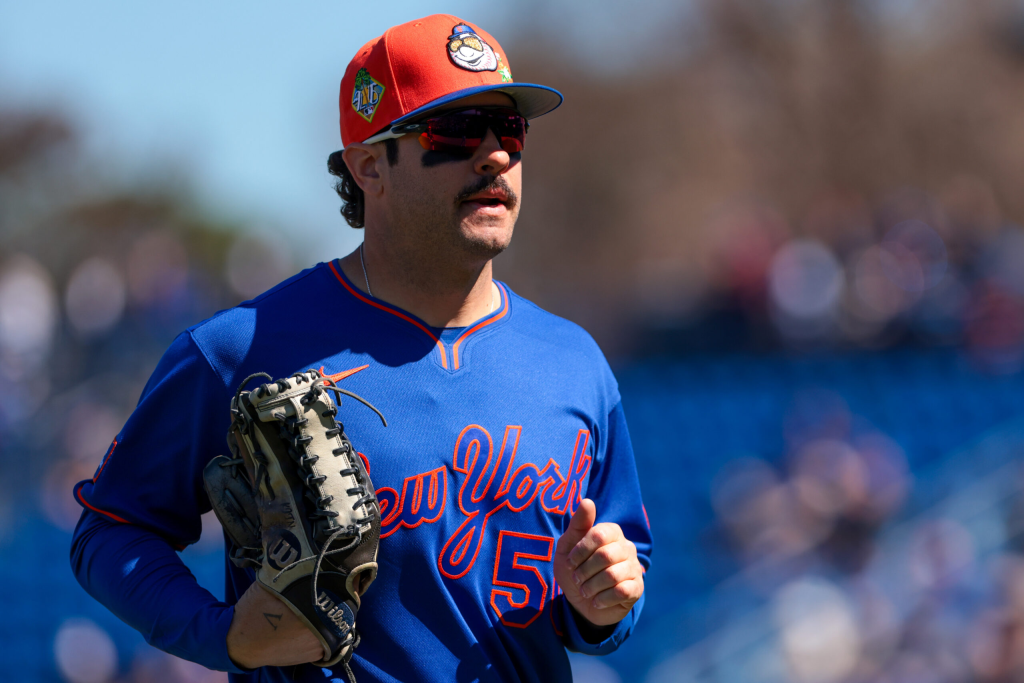
Even with a crowded outfield picture, there’s a path.
The Mets can rotate players, manage workloads, and still find at-bats for a productive bench piece. Tauchman doesn’t need to start every day to provide value.
He simply needs to be available — and he’s proven he can contribute.
That makes keeping him the logical move.
The Complicated One: Kimbrel’s Uncertain Role
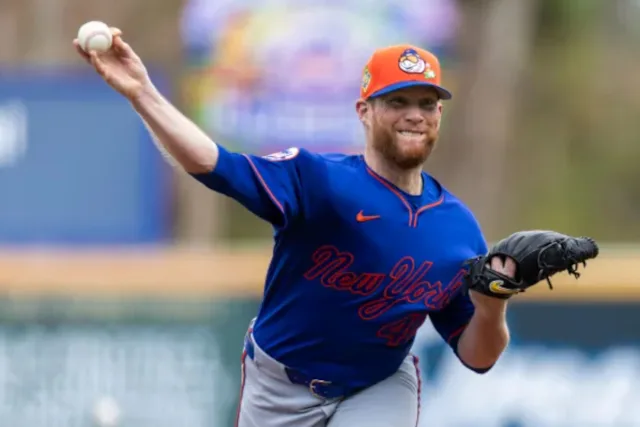
Craig Kimbrel presents a very different challenge.
On paper, the results look solid. His ERA suggests effectiveness. But the underlying performance tells a more complicated story.
Walks have been an issue, strikeouts have been limited, and the overall command hasn’t inspired confidence.
It’s the kind of profile that makes teams hesitate — especially when every bullpen spot matters.
Numbers That Raise Questions
Kimbrel’s stat line is a mix of positives and concerns.
Hitters aren’t squaring him up consistently, which is encouraging. But the lack of control and swing-and-miss stuff raises doubts about how sustainable that success is.
It leaves the Mets with a difficult evaluation: trust the results, or trust what they’re seeing.
A Decision Tied to Bullpen Structure
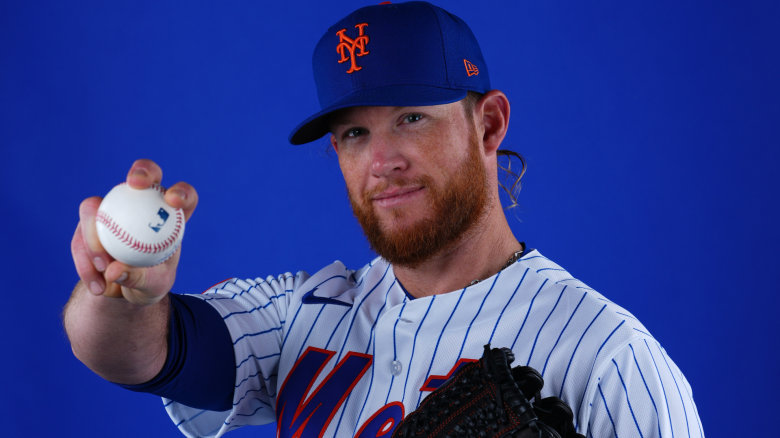
This isn’t just about Kimbrel.
It’s about how the Mets want to build their bullpen.
If they prioritize adding another left-handed option, it could push Kimbrel out of the picture entirely. If they lean toward experience and upside, he becomes harder to ignore.
That balancing act complicates everything.
Other Options Aren’t Perfect Either
The alternatives don’t offer much clarity.
Other bullpen candidates have their own limitations, whether it’s inconsistency, lack of upside, or uncertain roles. No option has clearly separated from the pack.
That’s what makes this decision so tight.
A Short Window to Decide

Time isn’t on the Mets’ side.
Kimbrel’s opt-out date is approaching quickly, leaving only a handful of appearances to evaluate whether he’s worth the risk.
Waiting too long isn’t an option.
The Ideal Scenario — and the Reality
In a perfect world, Kimbrel would stay in the organization and continue refining his form in the minors.
But that may not be realistic.
A veteran with his résumé is unlikely to pass up a better opportunity if one presents itself.
What This Really Comes Down To
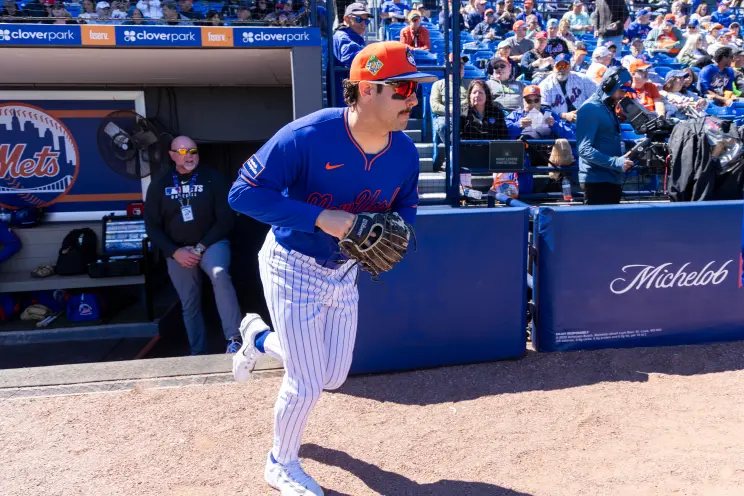
Tauchman is about performance and fit.
Kimbrel is about risk and projection.
One decision strengthens the roster immediately. The other could either add hidden value — or create an early-season problem.
And with Opening Day around the corner, the Mets don’t have much time left to get it right.
Leave a Reply