The Chicago White Sox had a chance to build early momentum. Instead, they walked away with more questions than answers.
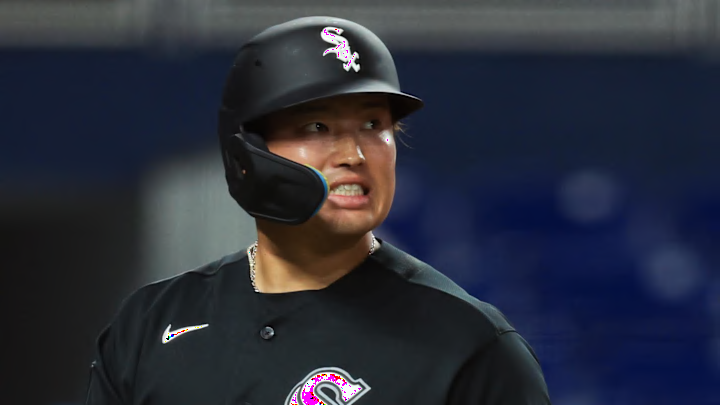
Mar 31, 2026; Miami, Florida, USA; Chicago White Sox first baseman Munetaka Murakami (5) reacts after striking out against the Miami Marlins during the eighth inning at loanDepot Park. Mandatory Credit: Sam Navarro-Imagn Images | Sam Navarro-Imagn Images
After securing their first win of the 2026 season, Chicago looked poised to carry that energy forward against the Miami Marlins. For three innings, everything was under control. Then, the game unraveled — quickly and decisively.
Miami took over from the fourth inning on, rolling to a 9-2 victory. The White Sox offense went silent, failing to record a single hit over the final six innings while striking out 13 times overall. But the bigger issue wasn’t just missed bats.
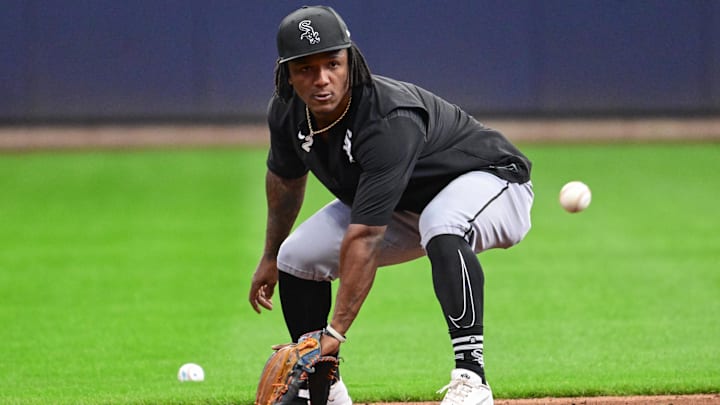
Mar 28, 2026; Milwaukee, Wisconsin, USA; Chicago White Sox center fielder Luisangel Acuna (0) takes fielding practice before game against the Milwaukee Brewers at American Family Field. Mandatory Credit: Benny Sieu-Imagn Images | Benny Sieu-Imagn Images
It was what happened in the field.
Chicago’s defense, already a concern in recent seasons, once again became the defining factor in defeat. And it all began with one chaotic inning.
Erick Fedde’s debut had given the team a steady start. The veteran right-hander delivered three scoreless innings, allowing just one walk. With early contributions from Munetaka Murakami and Andrew Benintendi, the White Sox held a 2-0 lead and appeared in control.
Then came the fourth — and everything changed.
A routine sequence turned into a turning point when miscommunication in the outfield led to a costly mistake. Both Tristan Peters and Luisangel Acuña converged on a ball in right-center field, but neither secured it. What should have been an out instead became a scoring opportunity for Miami.
The Marlins didn’t waste it.
Moments later, Liam Hicks cleared the bases with a double, instantly flipping the game. And the defensive issues didn’t stop there.
Acuña, now under pressure, struggled on back-to-back plays. Errant throws home allowed additional runs to score and extended innings that should have been contained. In a matter of minutes, the White Sox went from leading to trailing — and never recovered.
The inning exposed deeper concerns about Acuña’s ability to handle center field at the major league level. If there were doubts before, they only intensified after this performance.
He wasn’t alone.
Catcher Edgar Quero also had a difficult night defensively, including a costly error on a sacrifice bunt in the seventh inning. A cleanly executed play turned into another missed opportunity when he failed to secure a catchable throw.
Quero’s early-season struggles extend beyond that moment. His performance on automated ball-strike (ABS) challenges has been inconsistent, and his defensive reliability remains a work in progress — especially with Kyle Teel sidelined and the spotlight now firmly on him.
The problems weren’t limited to defense either.
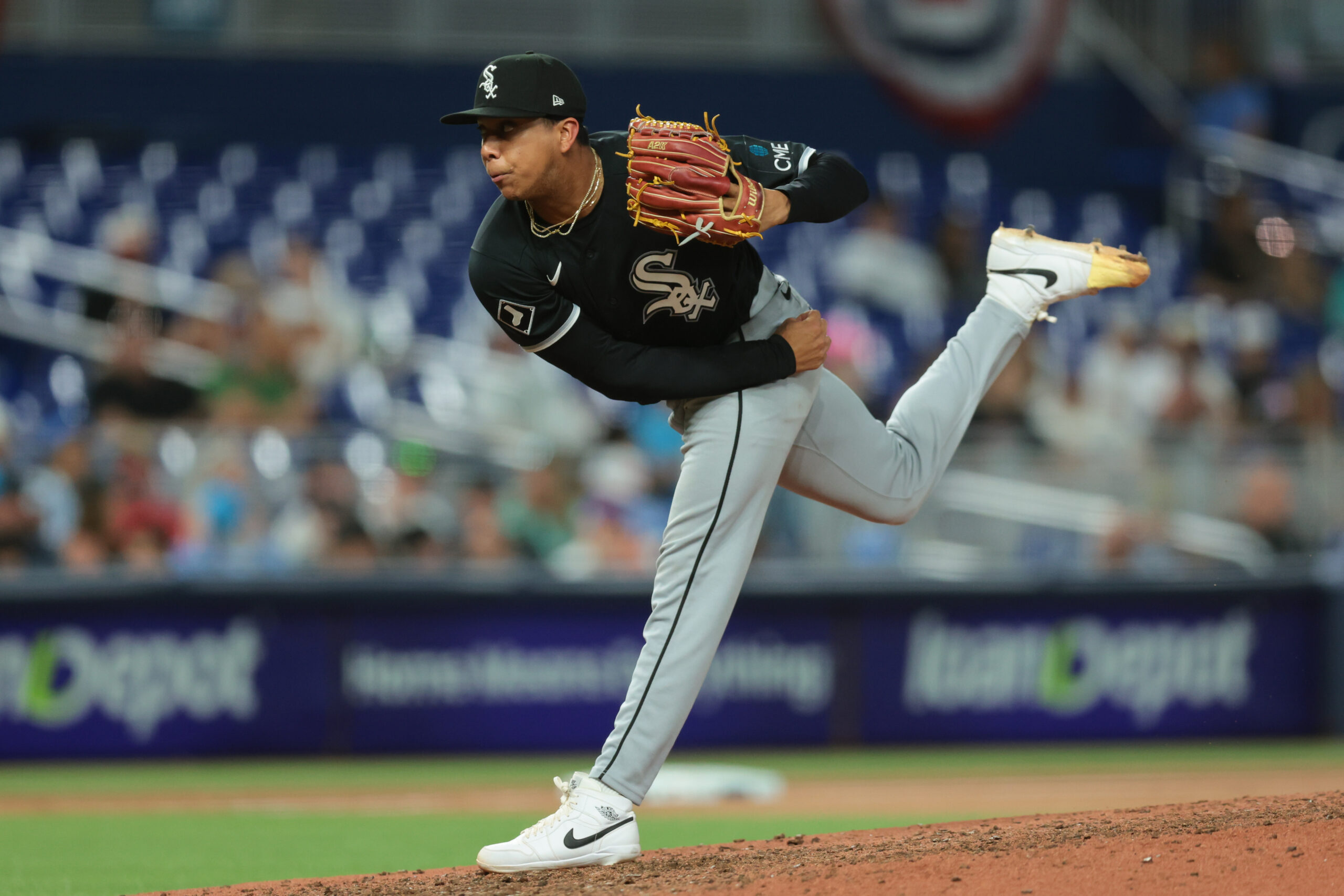
Reliever Jedixson Paez, a surprising addition to the Opening Day roster, continued to show signs of inexperience. After briefly stabilizing an inning, he faltered in his next outing, allowing multiple baserunners before surrendering a home run that widened the gap.
Through just three appearances, Paez has already given up six earned runs in three innings — a difficult start for a pitcher making a rapid jump to the majors.
It raises an uncomfortable but necessary question: was this promotion too aggressive?
Amid all the struggles, one bright spot continues to stand out.
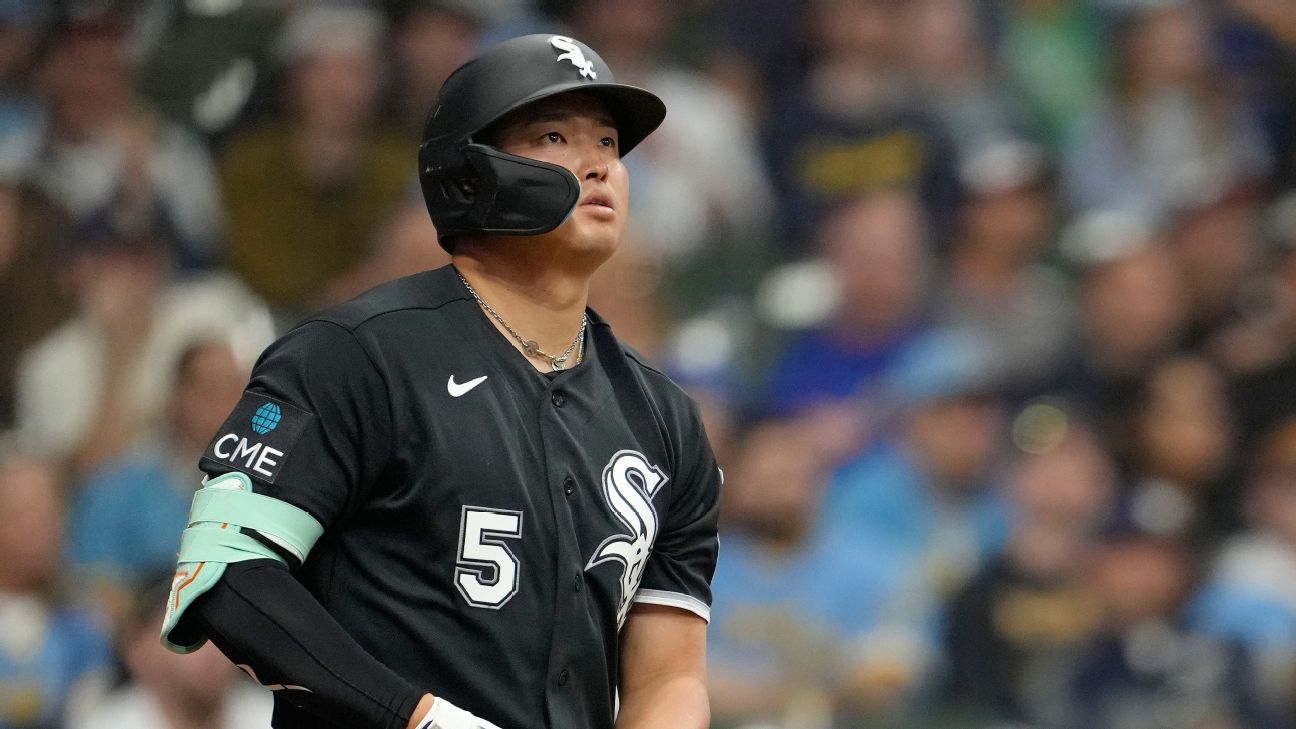
Munetaka Murakami remains the most consistent force in Chicago’s lineup. After opening the season with three home runs, he has now recorded at least one hit in each of his first five games. His RBI production has also been steady, providing much-needed offense for a lineup searching for rhythm.
In this game, his third-inning RBI once again gave the White Sox an early advantage — one that ultimately slipped away.
For a team trying to establish its identity early in the season, this loss felt like more than just a setback. It exposed recurring issues that can’t be ignored — defensive lapses, inconsistent pitching, and an offense that disappears for long stretches.

If Chicago hopes to turn things around, cleaning up those mistakes won’t be optional.
Because nights like this don’t just cost games — they reveal how far there is still to go.
Leave a Reply