On the surface, the Atlanta Braves look just fine.
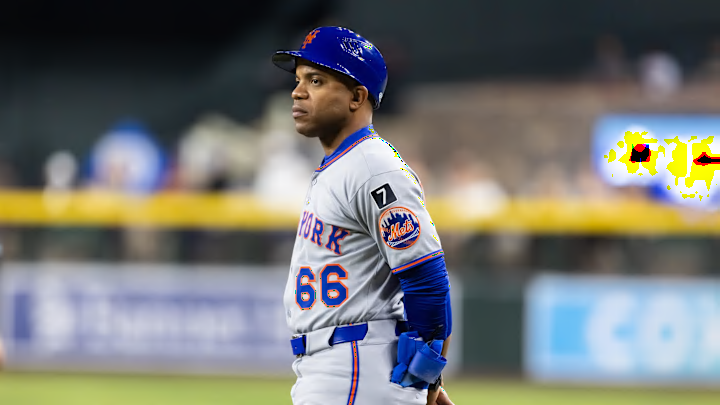
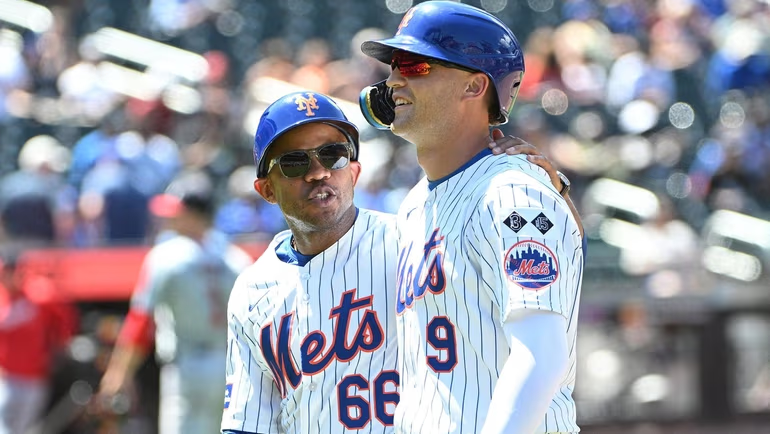
May 5, 2025; Phoenix, Arizona, USA; New York Mets first base coach Antoan Richardson against the Arizona Diamondbacks at Chase Field. Mandatory Credit: Mark J. Rebilas-Imagn Images | Mark J. Rebilas-Imagn Images
A 4-2 start. Strong pitching. Early momentum. Compared to the Mets’ 3-3 record, it even feels like a clear advantage.
But dig a little deeper, and one expected change hasn’t shown up at all.
And it involves a familiar face from New York.
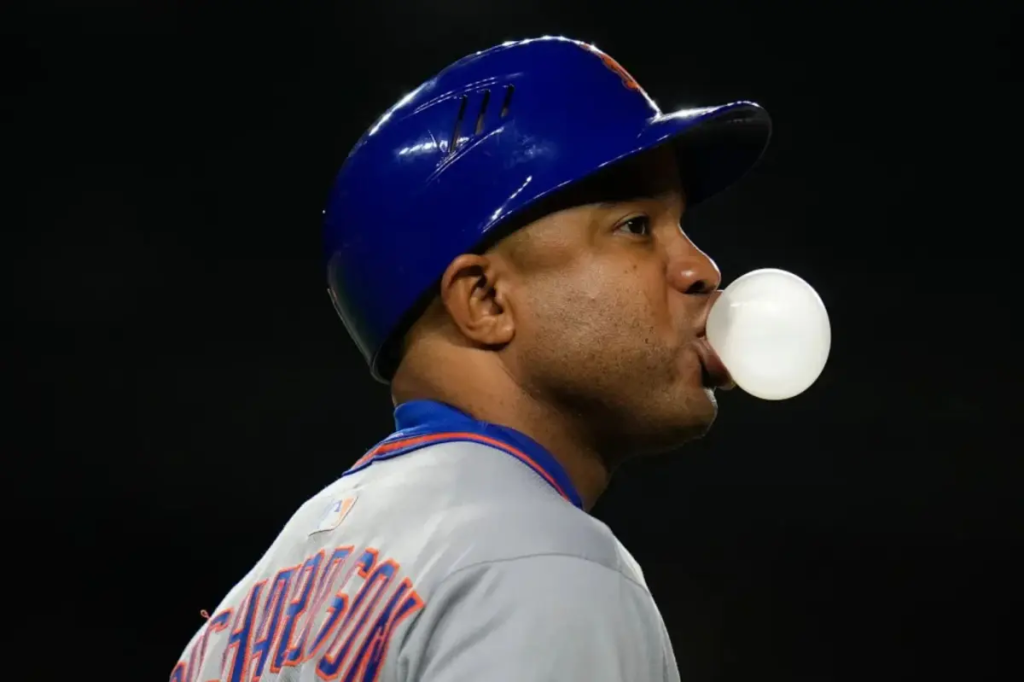
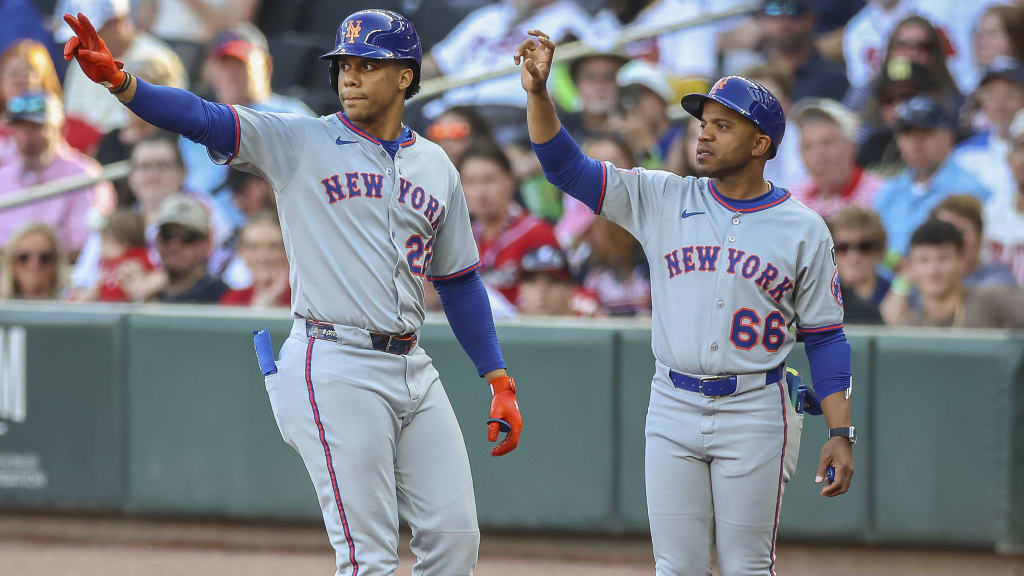
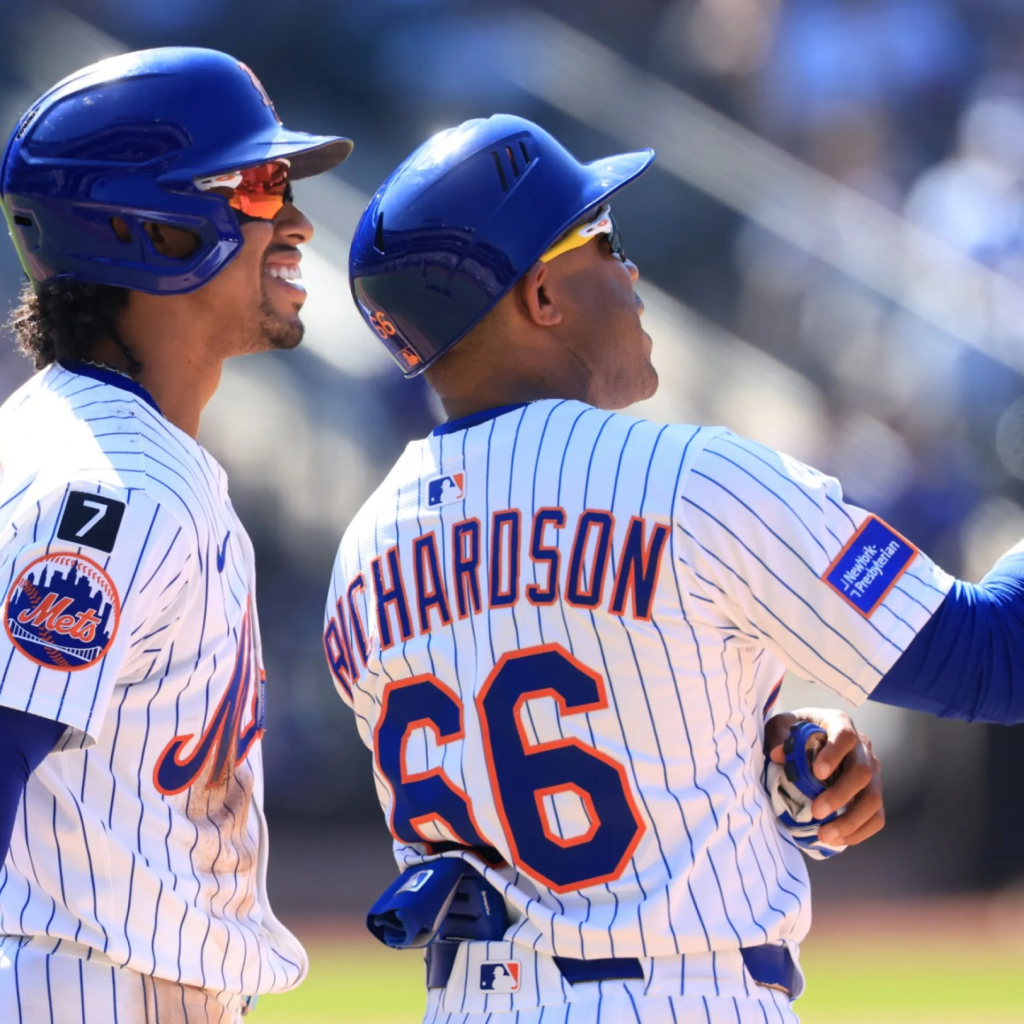
When the Braves brought in Antoan Richardson this offseason, the move carried subtle intrigue. As the Mets’ first base coach in 2025, Richardson played a key role in transforming their baserunning—most notably helping Juan Soto evolve into a legitimate threat on the basepaths.
It wasn’t just improvement.
It was elite.
So when Atlanta added him to the same role, the expectation wasn’t necessarily a complete overhaul—but at least some noticeable shift in aggressiveness and efficiency.
So far, that hasn’t happened.
Through the first six games of the season, the Braves have struggled badly when it comes to stealing bases. They’ve attempted just a handful, with only one successful steal and multiple runners caught.
It’s one of the worst success rates in baseball.
And it stands in stark contrast to what Richardson helped build in New York.
Last season, the Mets were among the most efficient teams on the bases, combining high volume with precision. They ran often—and they ran smart. The numbers reflected that balance, with significantly more successful steals than failed attempts.
Atlanta, at least early on, looks nothing like that.
To be fair, this may not be entirely surprising.
The Braves weren’t a particularly aggressive baserunning team even before Richardson arrived. Last season, they ranked near the bottom of the league in stolen bases, rarely pushing the issue unless the situation clearly called for it.
That identity doesn’t change overnight.
Coaching influence takes time. Players need to adjust. Philosophies need to be implemented. And perhaps most importantly, opportunities need to present themselves.
Still, the early numbers are hard to ignore.
For a team that added Richardson with the idea of improving efficiency and creating more pressure on the bases, the lack of early impact raises questions—not about his ability, but about how quickly that influence can translate.
There’s also the matter of personnel.
Ronald Acuña Jr. remains the most obvious player to watch. His track record as a base-stealer speaks for itself, but his recent seasons have been more measured. If there’s going to be a visible shift, it will likely start with him.
Because ultimately, coaches can guide—but players have to execute.
And right now, the Braves haven’t found that rhythm.
It’s still early enough that none of this is definitive. Six games don’t define a trend, especially in an area as situational as baserunning. Over time, the attempts may increase. The success rate may improve.
The system may take hold.
But for now, one of the more interesting offseason additions hasn’t made itself felt in the way many expected.
And until that changes, the Braves remain a team that wins in other ways—not one that pressures opponents on the bases like the Mets once did under the same voice.
Leave a Reply