The Chicago White Sox have been searching for answers on the mound.

Apr 3, 2026; Chicago, Illinois, USA; Chicago White Sox relief pitcher Sean Burke (59) delivers a pitch against the Toronto Blue Jays during the second inning at Rate Field. Mandatory Credit: Kamil Krzaczynski-Imagn Images | Kamil Krzaczynski-Imagn Images
On Friday, they may have found one—by changing when Sean Burke pitches, not how.
After a disastrous opening road trip defined by pitching struggles, the White Sox returned home looking for stability. Burke was originally scheduled to start the home opener, but the plan shifted just days before the game.
Instead, Grant Taylor took the ball first.
Burke followed.
And everything looked different.
This wasn’t a completely new strategy. The White Sox experimented with using an opener ahead of Burke multiple times in 2025, and the results suggested something worth exploring.
The numbers told a clear story.
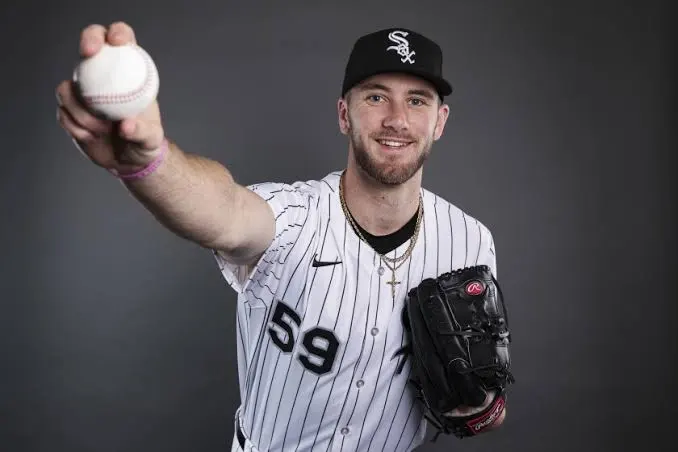
Burke struggled early in games, particularly in the first inning, where his ERA was significantly higher than his overall mark. But when he entered after the opening frame, his performance improved dramatically, settling into a much more effective rhythm.
The issue wasn’t his ability.
It was his starting point.
That pattern showed up again earlier this season, when Burke gave up three runs in the first inning of his initial outing. Some of that was influenced by defensive miscues, but the trend was familiar.
Friday offered a different approach—and a different outcome.
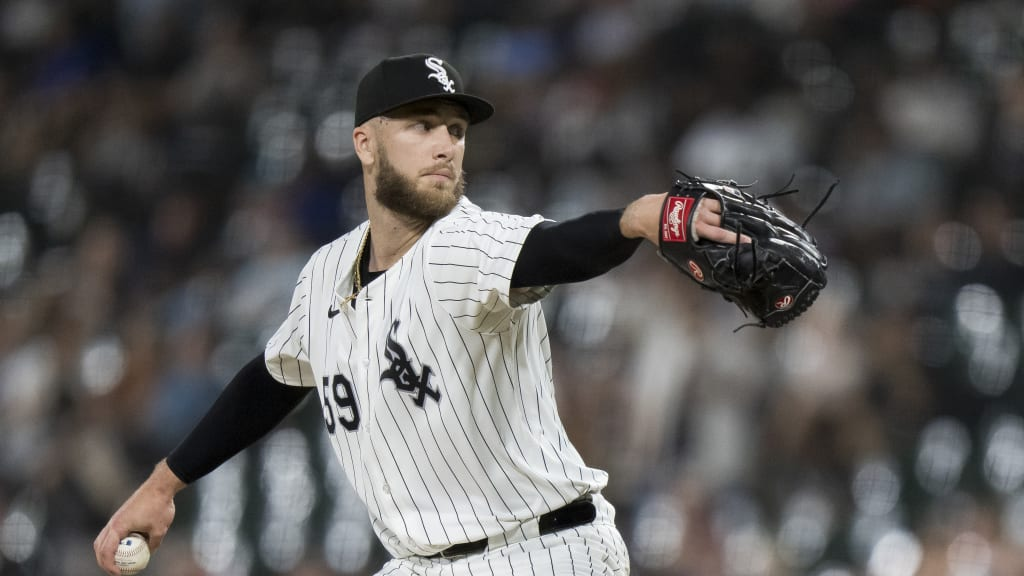
With Taylor handling the first inning cleanly, Burke entered in the second and delivered what may have been the best start of his career. He worked seven innings, allowing just one run on four hits while striking out seven and walking none.
More telling was the velocity.
After sitting closer to 93 mph in his first start, Burke’s fastball jumped into the 95–96 range. The command was sharper. The confidence was evident. The entire outing felt more controlled from the start.
It raises an obvious question.
Is this the formula?
There’s no simple explanation for Burke’s early struggles. It could be the challenge of facing the top of opposing lineups right away. It could be mental. It could be routine. But whatever the cause, the results have been consistent enough to warrant adjustment.

And now, the White Sox have one.
Using an opener allows Burke to bypass the part of the game that has given him the most trouble, while still maximizing the innings he can provide once he settles in. It’s a strategic shift that doesn’t change the pitcher—it changes the conditions around him.
For a team in need of reliable arms, that matters.
It’s unlikely the White Sox will commit fully to this approach every time through the rotation, but it’s something worth monitoring closely. If Burke continues to thrive in this role, the strategy could become more frequent—or even permanent.
Because at this point, results matter more than convention.
And if Friday was any indication, the White Sox may not need to fix Sean Burke.
They may have just needed to deploy him differently.
Leave a Reply