Ozzie Guillen has never been known for hiding his emotions.
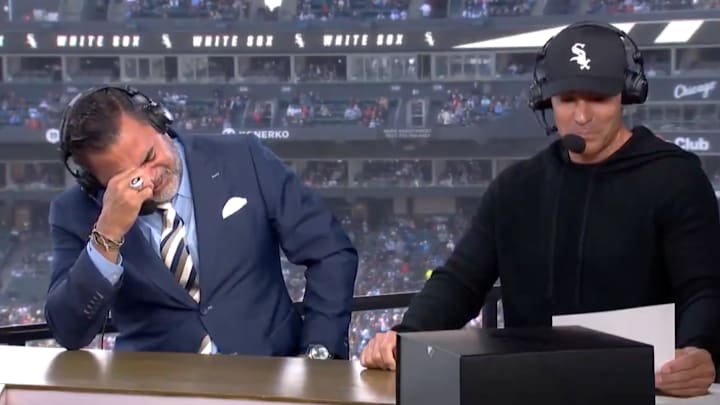
Ozzie Guillen gets emotional after learning the Chicago White Sox plan to retire his No. 13 jersey. | Via Chicago Sports Network
But even by his standards, this moment was different.
In a surprise that caught him completely off guard, the Chicago White Sox announced Friday that Guillen’s No. 13 jersey will be retired later this season. The reaction was immediate—and unforgettable.
Guillen broke down in tears.
Sitting on the broadcast set, he turned to embrace his wife as the reality set in. For a figure so often defined by intensity, fire, and outspoken personality, this was something else entirely—a deeply personal moment that resonated far beyond the screen.
At first, he didn’t even realize what was happening.
“Another bobblehead?” Guillen joked, before the weight of the announcement hit him. Seconds later, the emotion took over.
And for good reason.
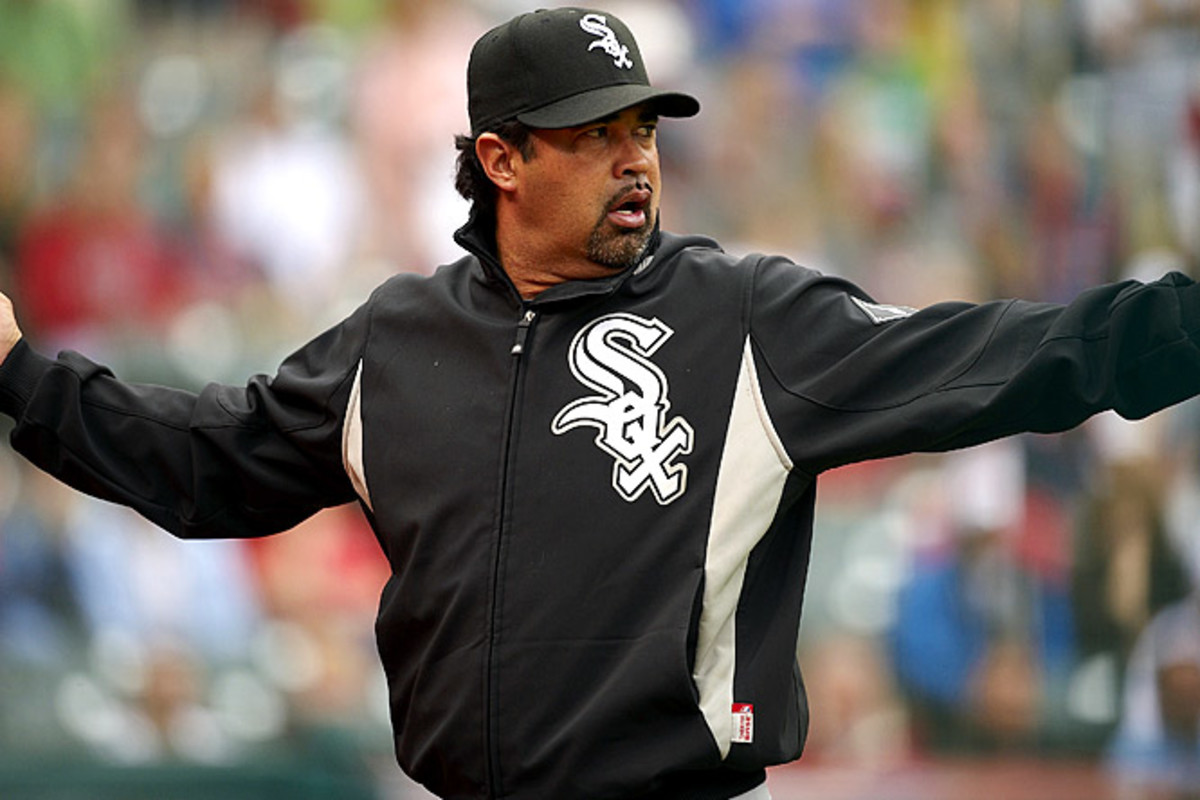
Guillen’s connection to the White Sox isn’t just long—it’s foundational. His story with the franchise stretches back more than four decades, beginning when he arrived in Chicago in 1985 following a trade from the San Diego Padres organization.
From that point on, he became part of the fabric of the team.
As a player, Guillen built a respected career over 13 seasons with the White Sox. He was named American League Rookie of the Year in 1985, earned a Gold Glove at shortstop in 1990, and made three All-Star appearances. Known for his defensive instincts and leadership, he became a steady presence during an era of transition for the franchise.
But his most lasting impact would come later.

After retiring, Guillen transitioned into coaching and quickly rose through the ranks. By 2004, he was back in Chicago—this time as manager. What followed would cement his place in team history.
In just his second season, Guillen led the White Sox to a World Series title in 2005, ending an 88-year championship drought. The team’s dominant four-game sweep of the Houston Astros remains one of the most defining moments in modern franchise history.
And Guillen was at the center of it all.
Over eight seasons as manager, he compiled a 678-617 record and built a reputation for both competitiveness and unpredictability. His fiery style led to 27 ejections, but it also fueled a clubhouse that played with edge and confidence.
He wasn’t just managing games—he was shaping identity.
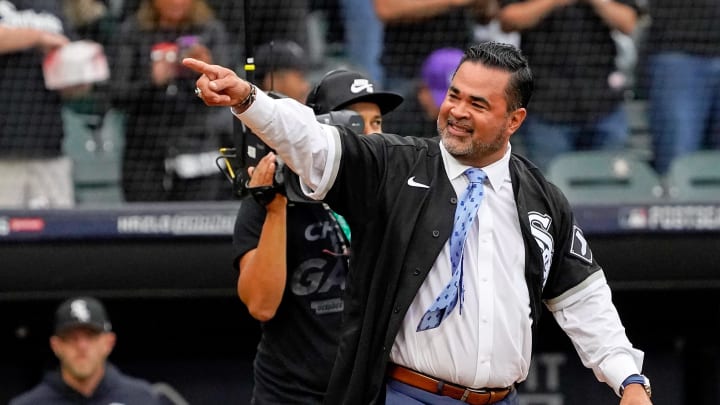
Even after his managerial career ended, Guillen never drifted far from the spotlight or from Chicago. He transitioned into broadcasting, becoming a familiar and outspoken voice analyzing the game, continuing to connect with fans in a different role.
Now, the organization is ensuring his legacy is permanently etched into its history.
When his No. 13 is raised, Guillen will become the first former White Sox manager to receive that honor—a fitting distinction for someone who helped define one of the franchise’s most important eras.
The moment itself said everything.
This wasn’t just about statistics or milestones. It was about impact. About history. About a relationship between a player, a manager, and a city that has endured for decades.

And in that emotional reaction—unexpected, unfiltered, and real—you could see exactly what it meant.
For Ozzie Guillen, this wasn’t just recognition.
It was home.
Leave a Reply