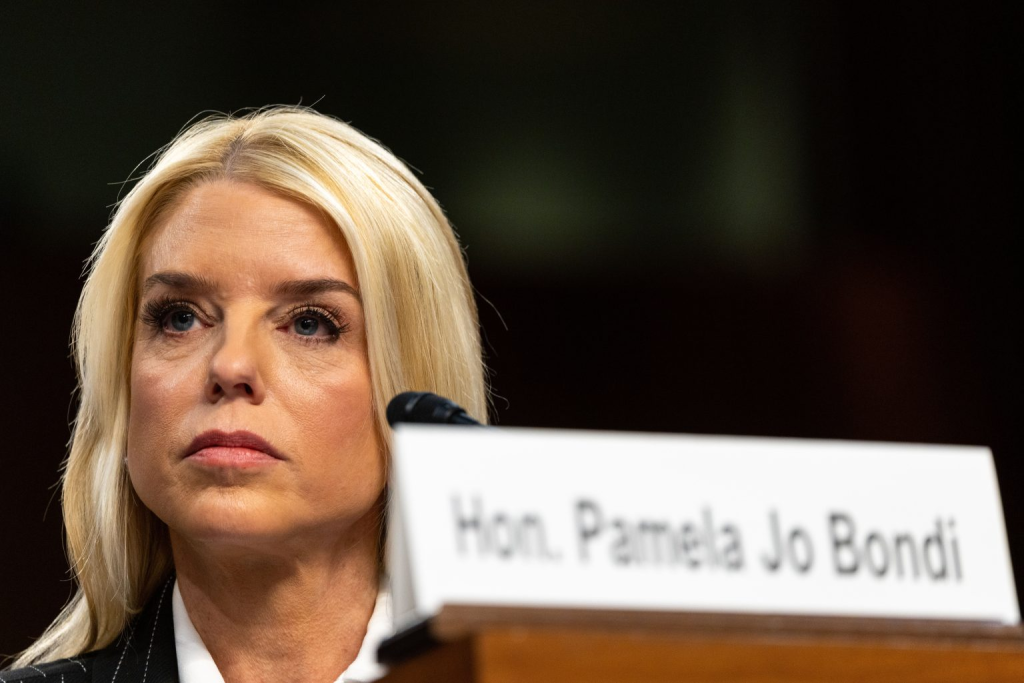
The attorney general’s warning about investigating lawmakers and journalists raises serious First Amendment concerns
Attorney General Pam Bondi ignited a firestorm of controversy during a Fox News appearance where she suggested the Justice Department would investigate lawmakers and journalists who criticized the Trump administration’s deployment of National Guard troops in American cities. Her comments have triggered widespread alarm about potential government retaliation against constitutionally protected speech.
The inflammatory remarks came during an interview on Fox and Friends, where host Griff Jenkins connected recent criticisms of National Guard presence in Washington and other cities to an attack on two Guard members. Democratic politicians had been vocal in their opposition to the troop deployments, with some raising concerns about potential threats to American citizens from military presence in urban areas.
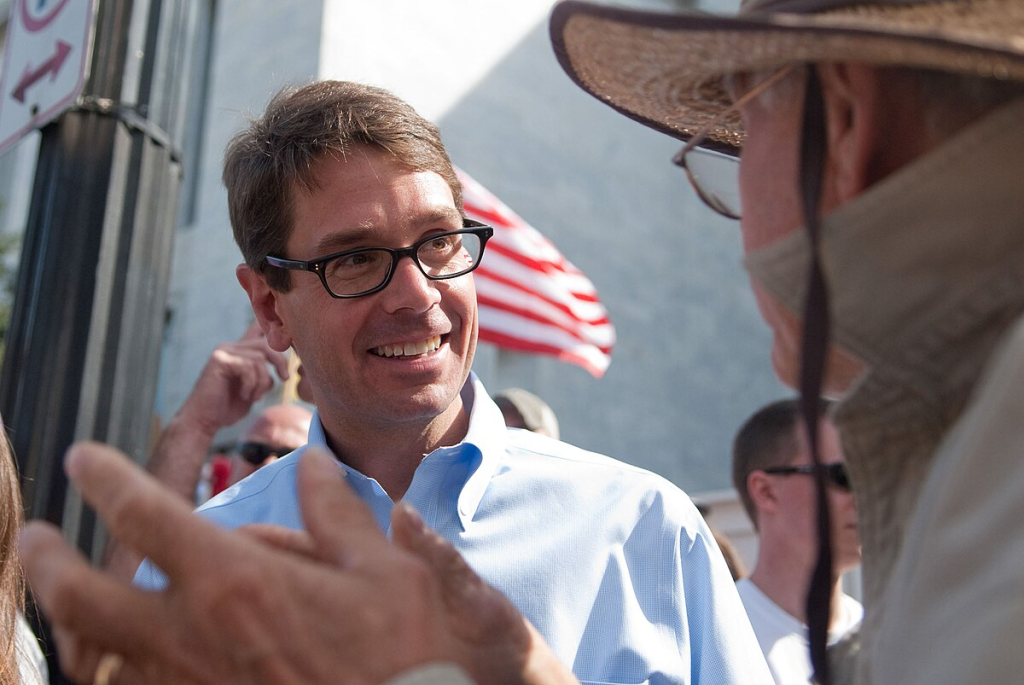
The threatening language that crossed the line
Bondi responded to the criticism with unusually aggressive language, describing statements from lawmakers and news anchors as disgusting and despicable. She insisted that these figures should be praising law enforcement instead of questioning their deployment. However, her next statement raised the most serious concerns about government overreach.
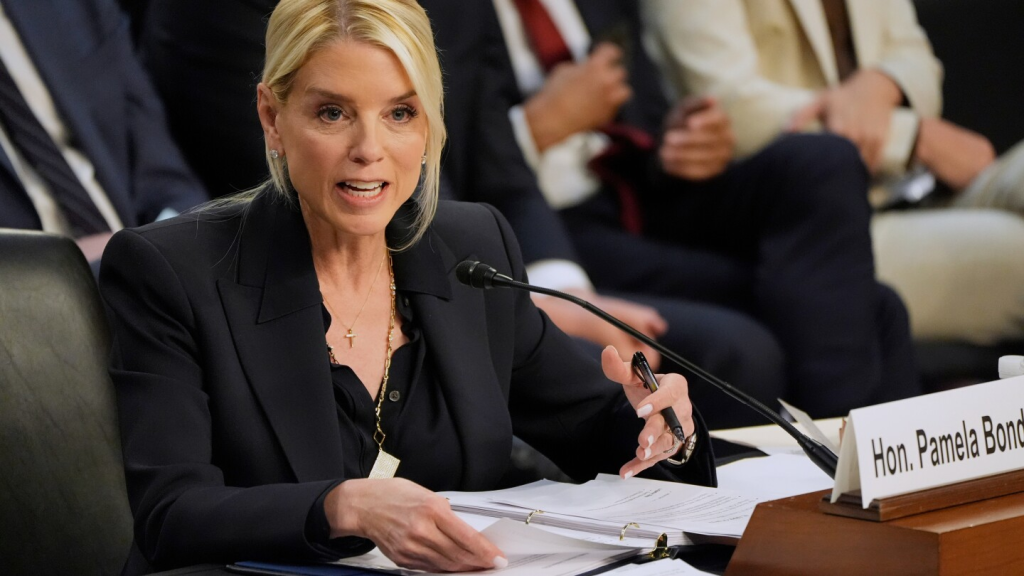
The attorney general announced that her department was examining everything critics had said, why they said it and whether their statements encouraged acts of violence. This declaration to scrutinize protected political speech has been widely interpreted as an attempt to intimidate opposition voices and chill future criticism of administration policies.
Legal experts and civil liberties advocates immediately flagged the comments as potentially violating First Amendment protections. The idea that the nation’s top law enforcement officer would investigate citizens for expressing political opinions represents a fundamental misunderstanding of constitutional limits on government power, or worse, a deliberate attempt to weaponize the Justice Department against dissent.
Social media erupts in response
The backlash on social media platforms was swift and intense. Users expressed outrage at what they viewed as authoritarian tactics unbecoming of an attorney general in a democratic society. Many called for Bondi to face professional consequences for her statements, with some demanding she be disbarred for threatening to use government power to suppress criticism.
Comments ranged from expressions of disbelief to warnings that such rhetoric represents a dangerous escalation in the relationship between government officials and the press. The volume and intensity of criticism suggests that many Americans recognize the threat posed by government officials who view dissent as something to be investigated rather than protected.
The tragedy behind the controversy
The context for this controversy involves a genuine tragedy. On November 26, two National Guard troops were attacked in Washington, with 20-year-old Army Specialist Sarah Beckstrom losing her life and 24-year-old Sgt. Andrew Wolfe left in critical condition. The shooter, a 29-year-old Afghan national, now faces first-degree murder charges.

President Trump quickly blamed the Biden administration for allowing the suspect into the country. However, subsequent reporting revealed that the suspect’s asylum request was actually approved during the Trump administration following what officials described as thorough vetting procedures. This discrepancy raises questions about the accuracy of claims being used to justify expanded government powers.
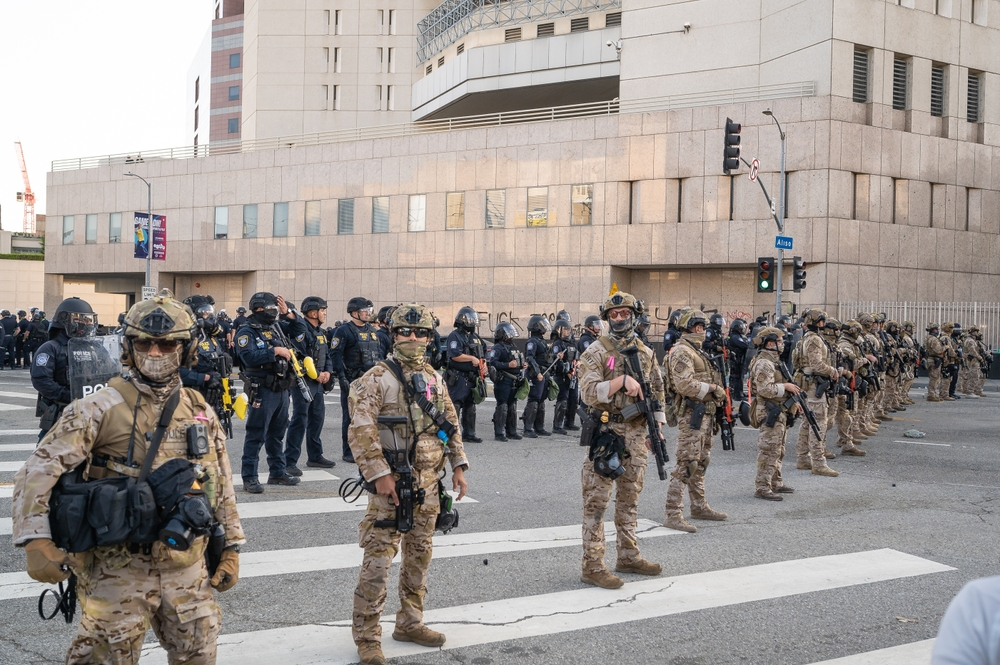
The attack itself deserves serious examination and appropriate response. However, critics argue that using this tragedy to threaten those who exercised their First Amendment rights to question military deployment in American cities represents an inappropriate conflation of legitimate policy debate with criminal activity.

The broader implications for democracy
Bondi‘s statements reflect a troubling trend in how some government officials view their relationship with critics and the press. The suggestion that political speech critical of administration actions warrants Justice Department investigation sets a dangerous precedent that could fundamentally alter how Americans engage in public discourse.
Free speech advocates emphasize that the First Amendment exists precisely to protect unpopular or critical speech, particularly speech directed at government actions. The ability to question and criticize those in power without fear of government retaliation represents a cornerstone of democratic society. When the attorney general threatens to investigate such speech, it strikes at the heart of constitutional protections.
The incident also raises questions about the appropriate role of law enforcement in political debates. The Justice Department exists to enforce federal law, not to investigate or intimidate citizens who express opinions that displease the administration. Blurring this line threatens to transform law enforcement into a political weapon rather than an independent guardian of justice.
As this situation continues to develop, the response from Congress, legal organizations and the public will help determine whether such threats against protected speech become normalized or face the pushback necessary to preserve constitutional freedoms.
Leave a Reply