At first glance, the Houston Astros appear to be navigating dangerous territory.

Mar 28, 2026; Houston, Texas, USA; Houston Astros pitcher Bryan Abreu (52) reacts after defeating the Los Angeles Angels at Daikin Park. Mandatory Credit: Thomas Shea-Imagn Images | Thomas Shea-Imagn Images
Losing Josh Hader to the injured list would rattle most teams, especially given his résumé as one of the game’s elite closers. But inside Houston’s clubhouse, the reaction has been noticeably measured — largely because of their confidence in Bryan Abreu.
For the past few seasons, Abreu has quietly built a reputation as one of baseball’s most dependable high-leverage arms. The Astros have even labeled him their “second closer,” a reflection of both his workload and effectiveness since 2022.
That’s why his rocky start to the 2026 season has drawn attention.
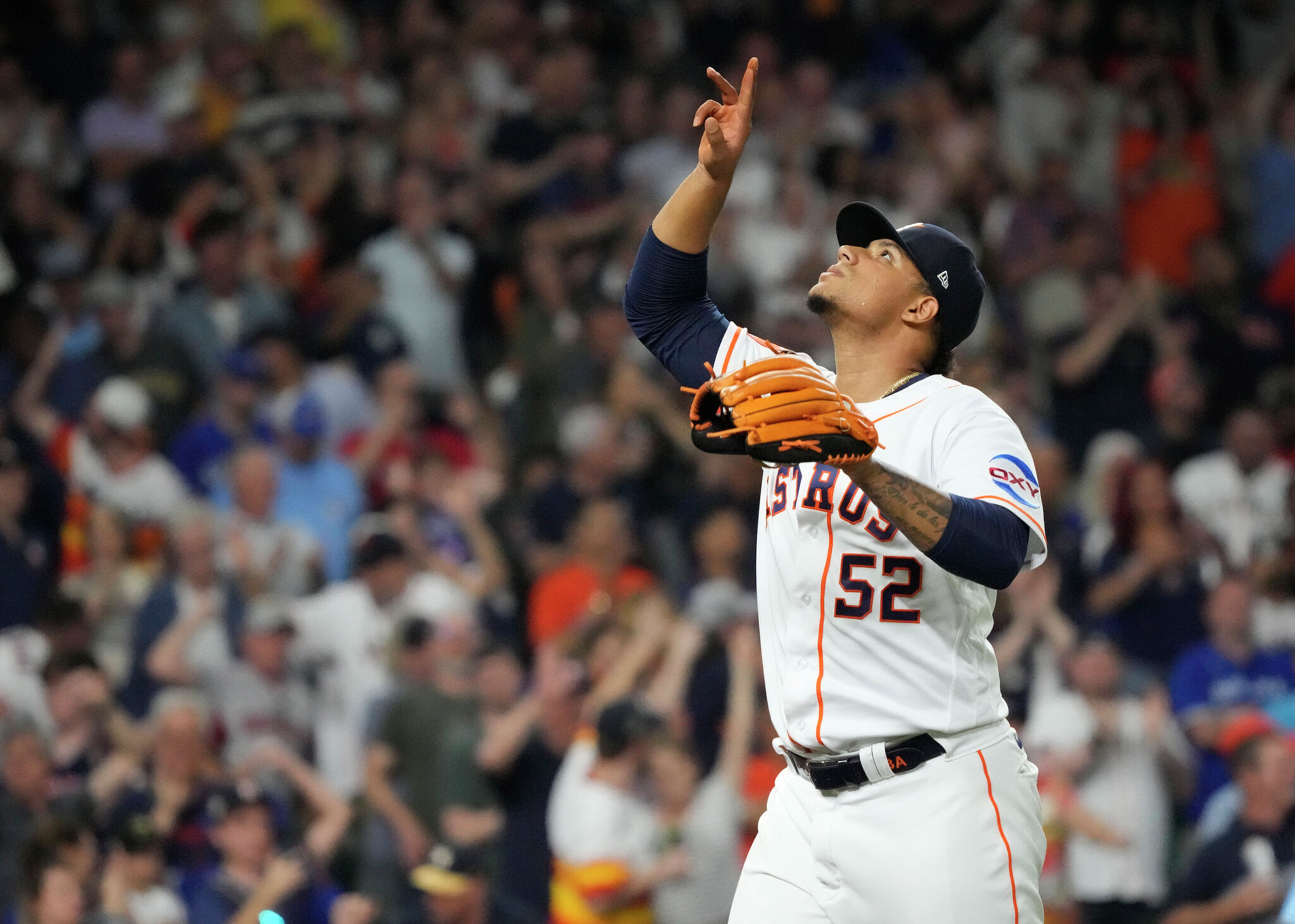
In two early appearances, Abreu hasn’t looked like his usual dominant self. The results haven’t been sharp, but what’s turning heads even more is a noticeable dip in velocity.
Last season, Abreu’s fastball averaged 97.3 mph. In his first outing this year, that number dropped to 95.9 mph. By his second appearance, it fell even further — down to 93.2 mph.
For a power reliever whose success is built around elite velocity, that kind of drop naturally raises concern.
And with Hader’s return timeline still unclear, it’s easy to imagine worst-case scenarios for Houston’s bullpen.
But inside the organization, the tone remains steady.
Manager Joe Espada addressed the situation with a calm, measured perspective, emphasizing confidence over concern. Rather than focusing solely on the radar gun, Espada pointed to mindset and execution.
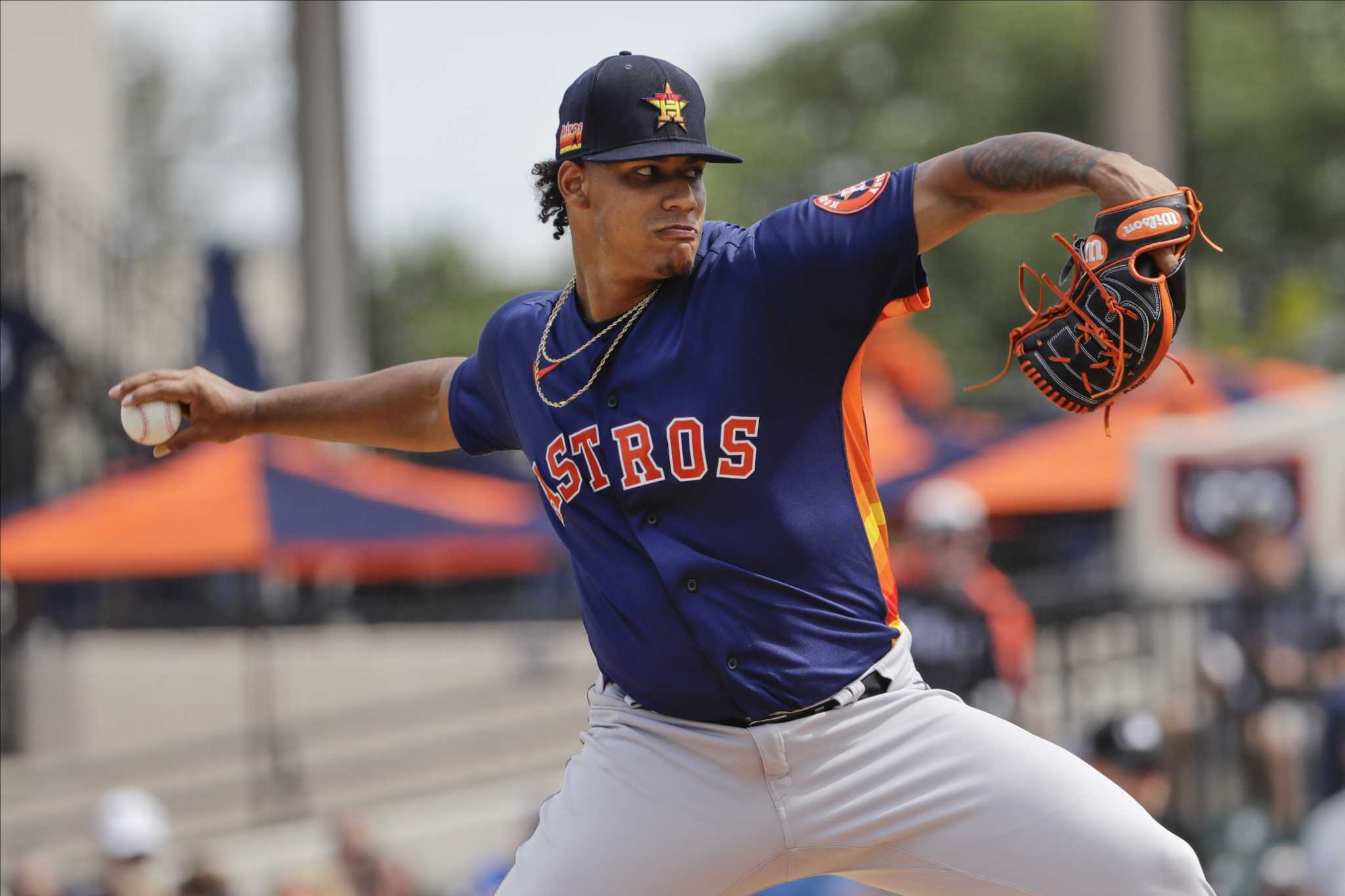
He made it clear that he wants to see Abreu attack hitters with conviction — the same aggressive approach that has made him one of the most feared relievers in the game.
Through 1⅓ innings, Abreu has allowed four earned runs while issuing four walks and recording three strikeouts. The stat line isn’t pretty, but it doesn’t tell the full story.
In his first outing, Abreu entered with a comfortable lead — not a typical high-pressure situation for him. After retiring the first two batters, he lost command briefly, issuing back-to-back walks that set up a three-run homer.
Even then, he recovered quickly to strike out the next hitter and end the inning.
The following day presented a different challenge. Control issues resurfaced, with two walks and a wild pitch putting him in immediate trouble. Espada opted for a quick pitching change, and one inherited runner eventually scored.
It’s a rough start, but not necessarily an alarming one.

Early in the season, relievers often deal with inconsistencies, especially when pitching on consecutive days. Unlike starters, they don’t always build up that workload during spring training, which can lead to uneven outings in April.
Abreu, in particular, has a track record of slow starts.
Over his career, he owns a 3.59 ERA in the opening month — significantly higher than his overall 2.75 mark. Opponents have also had more success against him early in the year, reflected in a .315 wOBA during March and April, his highest split across any month.
In other words, what’s happening now isn’t entirely new.
The velocity dip is worth monitoring — there’s no way around that. But if it begins to tick back up over his next few appearances, much of the concern will likely fade just as quickly as it appeared.
For now, the Astros are choosing patience over panic.

And as long as they keep winning — which they have in both of Abreu’s outings so far — there’s little urgency to sound the alarm.
Leave a Reply