For a team still trying to settle into the rhythm of a new season, the Philadelphia Phillies may have found exactly what they needed in Denver.
Not just a win—but a reminder of who they can be.
Coors Field has a reputation for exposing teams. The altitude, the thin air, the unpredictability—it has a way of turning small cracks into big problems. But on this afternoon, it wasn’t the Phillies who were exposed.
They were the ones doing the damage.
It all unraveled quickly for Colorado in the opening inning. Eleven Phillies stepped to the plate. Seven runs crossed. And just like that, the tone of the game—and perhaps the mood of the team—shifted.
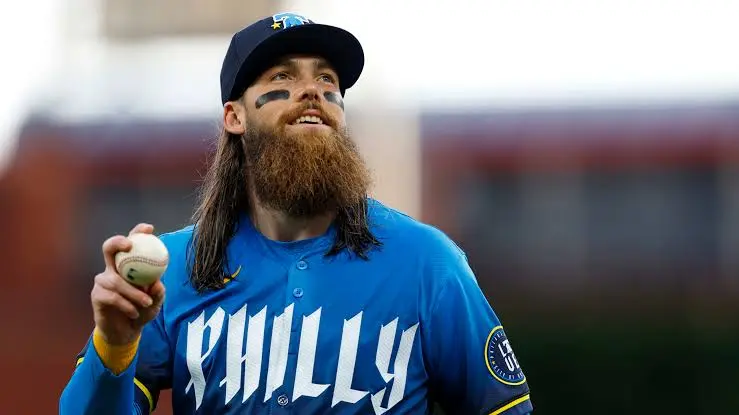
At the center of the early eruption was Brandon Marsh, who is quietly becoming one of the most important pieces in this lineup. He crushed a sinker from Michael Lorenzen, launching it 454 feet into the right-center stands.
It wasn’t just a home run. It was a tone-setter.
Coming into the game, Philadelphia’s offense had been uneven. The numbers reflected it—a modest .220 batting average with inconsistent power production. The lineup wasn’t struggling outright, but it lacked the cohesion expected from a contender.
Then came Denver.
Then came lift—and confidence.
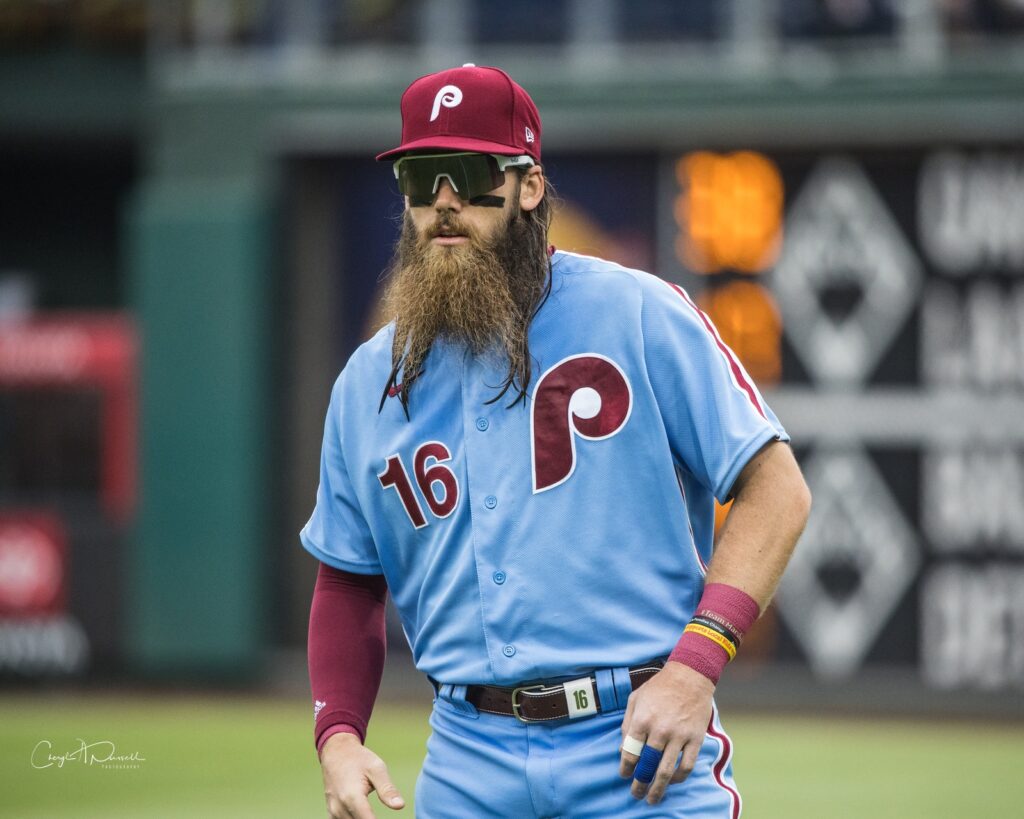
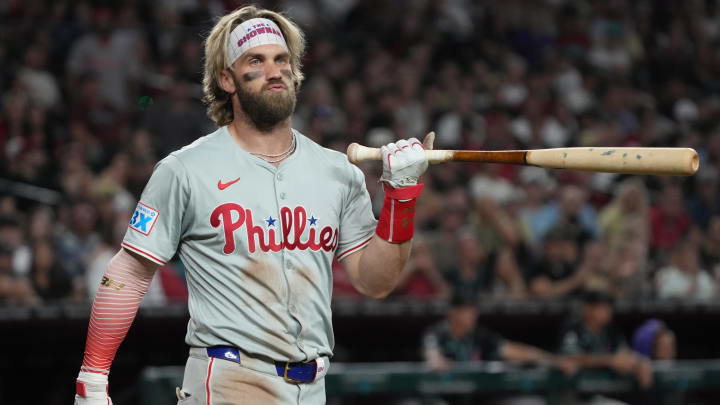
Bryce Harper followed with a home run of his own in the second inning, continuing the momentum. By the fifth, Kyle Schwarber added another towering blast, sending a 460-foot shot deep into the thin air.
Three swings. Three home runs. All from the left side.
And all a glimpse of what this lineup can look like when it clicks.
The Phillies finished with 13 hits, showcasing a level of offensive balance and authority that had been missing in the opening stretch of the season. But as impressive as the bats were, the performance on the mound may have been just as significant.
Aaron Nola didn’t just protect the lead—he controlled the game from start to finish.
Pitching at Coors Field can be unpredictable, but Nola never let things spiral. He worked 6 1/3 innings, allowing just one run while striking out nine. His command was sharp, his tempo steady, and when pressure moments emerged, he shut them down himself.
That kind of outing matters.
Because for the Phillies to reach their ceiling, Nola needs to be exactly that—reliable, composed, and capable of anchoring big games.
The bullpen followed with a clean finish, piling on strikeouts and keeping the Rockies from mounting any late resistance. By the end, what started as a fast start had turned into a complete, convincing 10-1 victory.
And there was another milestone woven into the day.
Manager Rob Thomson secured his 350th career win, reaching the mark faster than any manager in franchise history. It’s a reflection not just of results, but of consistency and steady leadership since he took over.
That consistency may be what ties this performance together.
Because despite early questions about the offense and overall rhythm, the Phillies continue to show a unique ability—they can change the narrative quickly. One inning, one game, one surge can reset everything.
They’ve now won eight straight games against the Rockies, but this victory felt different. More complete. More aligned with the identity they believe they possess.
Now comes the real challenge.
Can they build on it?

Jesús Luzardo is set to take the mound next, as Philadelphia looks to turn a breakout performance into sustained momentum. Through the first week, that consistency has been just out of reach.
But if this game proved anything, it’s that when the Phillies find their rhythm, they don’t just win games.
They take control of them.
Leave a Reply