The wait felt long, but for the Philadelphia Phillies and their fans, it may have been worth every second.
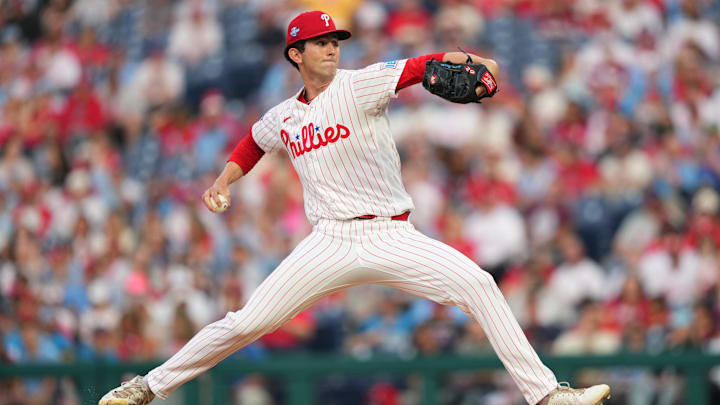
Andrew Painter maxed out at 98.7 mph in his MLB debut. | Kyle Ross-Imagn Image
Andrew Painter finally made his major league debut at Citizens Bank Park—and the atmosphere reflected it. From pregame warmups to his first pitch, the energy in the stadium carried a sense of anticipation rarely seen for a rookie.
Painter didn’t just meet that moment. He leaned into it.
His first inning couldn’t have gone much smoother. Three batters, three outs, including his first career strikeout—a sharp curveball that hinted at the command he would show all night. The early composure set the tone for what followed.
But the real test came one inning later.
After allowing two soft hits to open the second, Painter suddenly faced pressure—runners on, no outs, and momentum shifting. For many young pitchers, that’s where things unravel.
Instead, he settled in.
Trusting his arsenal rather than trying to be perfect, Painter worked out of the jam with minimal damage. It was a sequence that revealed more about his poise than any clean inning could.
And it wouldn’t be the last time he impressed.
As the game progressed, his velocity ticked up. After sitting slightly lower in spring training, his fastball reached the upper-90s, touching 98 mph multiple times. Whether fueled by adrenaline or readiness, the added life on his heater gave hitters even less room for error.
More importantly, he wasn’t relying on just one pitch.
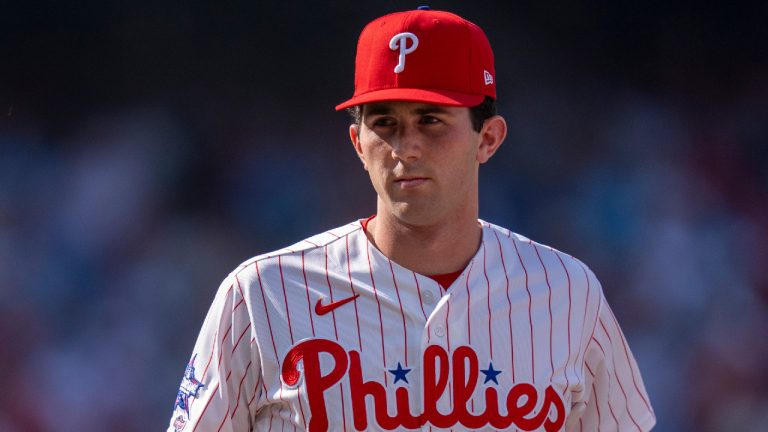
Painter showcased a deep mix—curveball, changeup, slider, and more—all thrown with confidence. That variety kept hitters guessing and allowed him to attack in different ways, a rare trait for a 22-year-old making his first start.
By the middle innings, he was in full control.
He piled up strikeouts with different weapons, missing bats both inside and outside the zone. When contact was made, it was often weak or well-managed. Even moments of bad luck—misplayed balls or soft hits—didn’t shake his rhythm.
If anything, he seemed to get stronger.
The fifth inning was the exclamation point. Painter struck out the side, overpowering hitters with a combination of velocity and precision. It was the kind of inning that turns curiosity into belief.
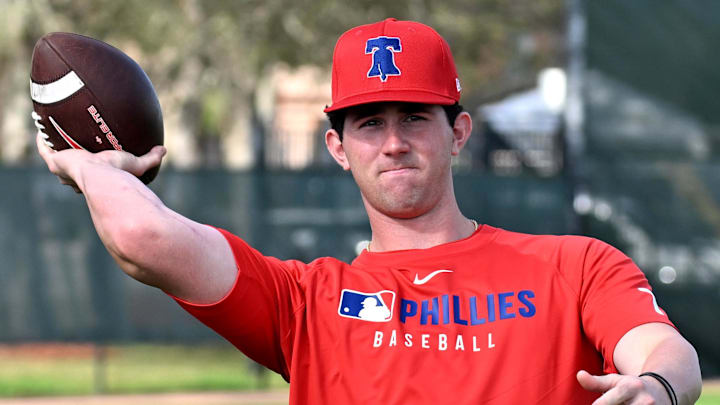
By the time his night ended in the sixth, the numbers told a clear story.
Five-plus innings, just one run allowed, eight strikeouts, and consistent command throughout. As he walked off the field to a standing ovation, it was evident this wasn’t just a solid debut—it was a statement.
For a Phillies team searching for stability early in the season, that matters.
But beyond the immediate impact, something bigger may be taking shape.
Painter didn’t just show talent—he showed readiness. The ability to adjust, to handle pressure, and to execute a full arsenal against major league hitters suggests this is more than a short-term spark.
It’s the foundation of something lasting.
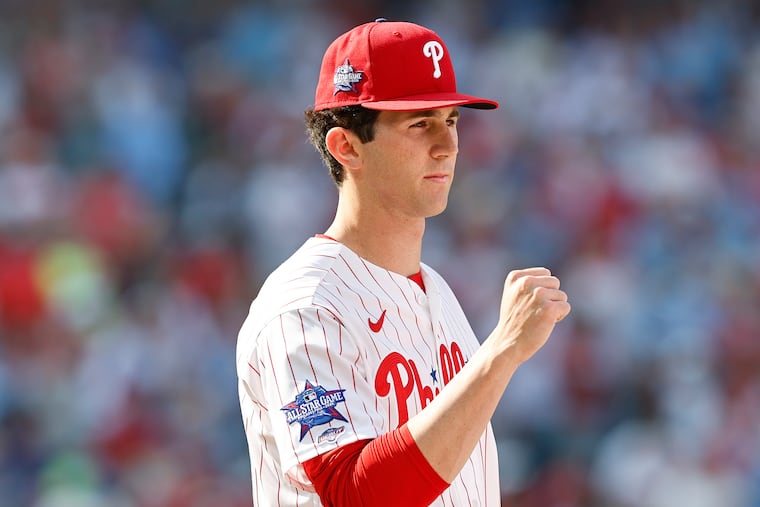
There will be tougher outings ahead. Every young pitcher faces that reality. But what Painter displayed in his debut offers a glimpse of what he could become—and why expectations have been so high.
For now, though, the takeaway is simple.
The Phillies didn’t just introduce a top prospect. They may have just unveiled a key piece of their future.
Leave a Reply