When Team Venezuela celebrated its World Baseball Classic championship, there was one notable absence—one that Phillies fans couldn’t ignore.

José Alvarado should have been part of that moment.
For years, the hard-throwing left-hander has been a key figure not just in Philadelphia, but also for his home country. His track record, his passion, and his presence made him a natural fit for Venezuela’s roster. Instead, he watched from afar.
And the reason had nothing to do with performance.

Alvarado’s absence stemmed from an insurance issue that ultimately kept him out of the tournament. Just days before the WBC began, he was denied coverage due to being labeled a “high-risk” player—effectively ending his chance to participate.
It’s a frustrating reality that has quietly shaped international competition.
Under current rules, players on MLB 40-man rosters must be insured in order to take part in the tournament. Third-party providers evaluate risk based on injury history and other factors, and if coverage isn’t approved, the player can’t play.
In Alvarado’s case, that ruling carried extra weight.
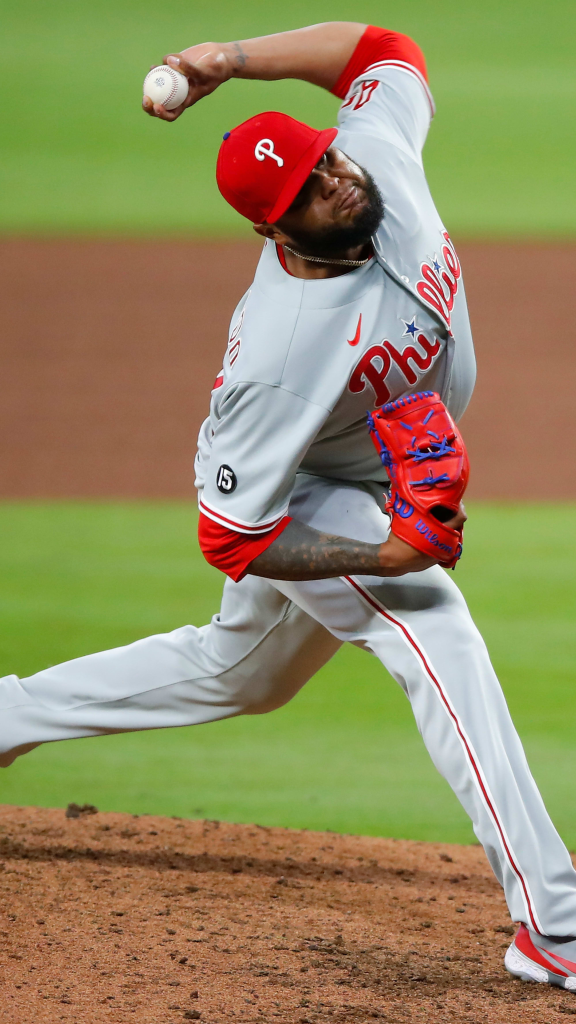
The 30-year-old has been a core piece of the Phillies’ bullpen for years, known for his high-leverage reliability and emotional leadership. Even during difficult stretches—both on and off the field—he’s remained a central figure in the clubhouse.
That made his exclusion feel even more significant.
It wasn’t just about missing games. It was about missing a moment.
Venezuela’s run to the title was one of the most compelling stories of the tournament. They defeated Team USA in the final, capturing a championship that had long eluded them. For many players, it was a career-defining achievement.

For Alvarado, it was a celebration he couldn’t join.
His absence also highlights a broader issue within the WBC structure.
Several players across multiple teams were denied insurance coverage, including high-profile names. In some cases, MLB clubs have the option to assume the financial risk themselves and allow players to participate anyway—but that didn’t happen here.
Philadelphia chose to keep Alvarado in camp.
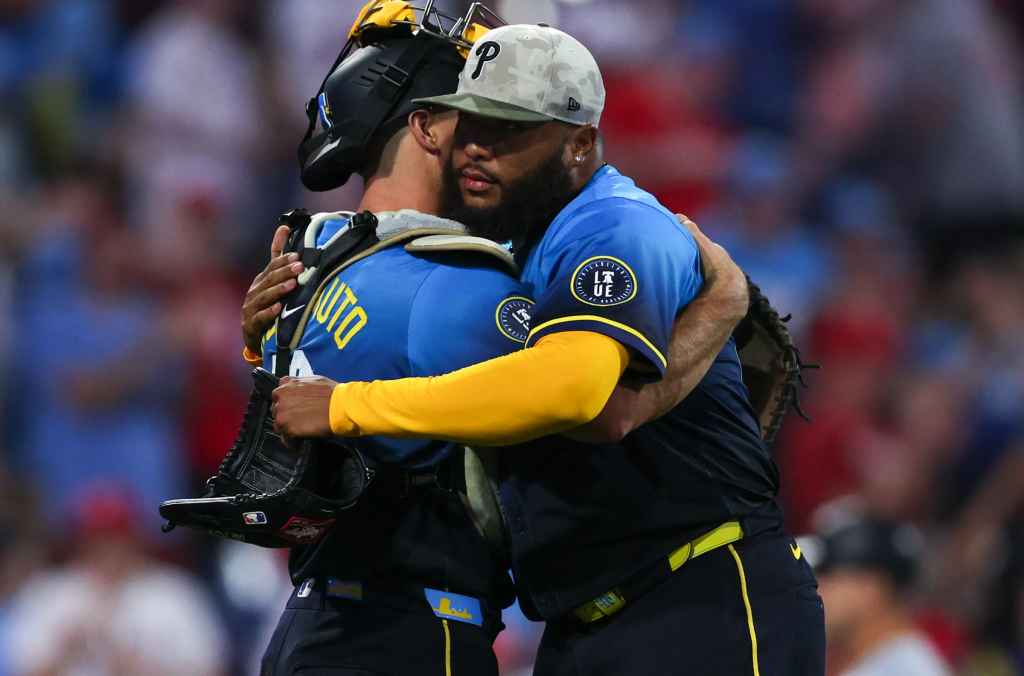
From an organizational standpoint, the decision is understandable. Protecting a key bullpen arm—especially after a turbulent 2025 season that included a suspension and personal challenges—carries real importance.
But from a player and fan perspective, it’s harder to accept.
Alvarado has long been more than just a pitcher. His resilience, his energy, and his connection to both teammates and fans have made him one of the defining figures of this Phillies era.
That’s why his absence lingered.
Even as Venezuela celebrated, there was a sense that something—or someone—was missing from the picture.
Looking ahead, the situation raises important questions for the future of the tournament. If insurance barriers continue to keep top players out, the integrity of international competition could be affected.
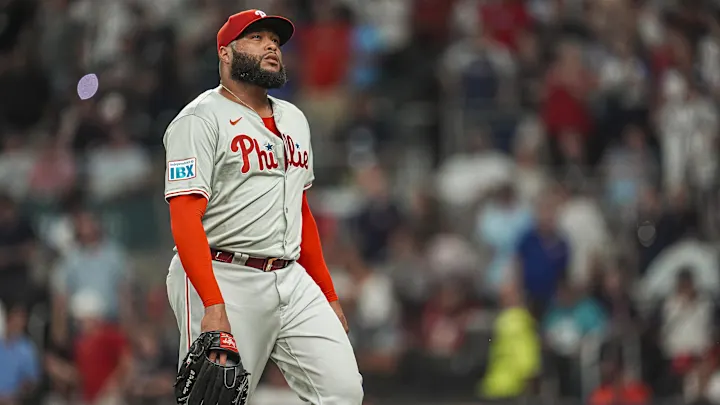
There have already been calls for MLB to create a centralized system to handle these cases, ensuring that players aren’t sidelined due to risk calculations alone.
Because moments like these matter.
And for José Alvarado, this was one that should have been his.
Leave a Reply