The Philadelphia Phillies finally gave their fans something to hold onto.
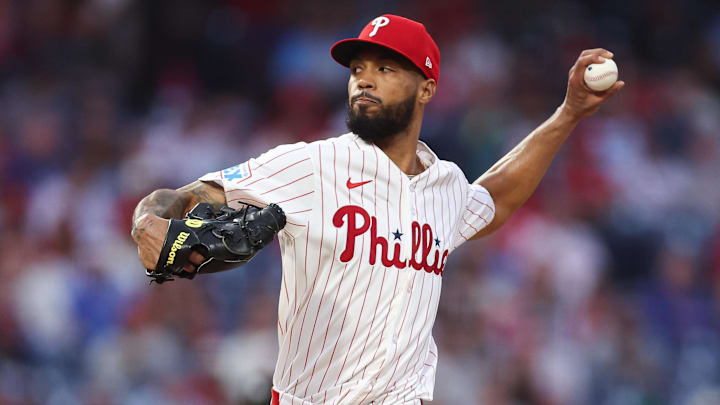
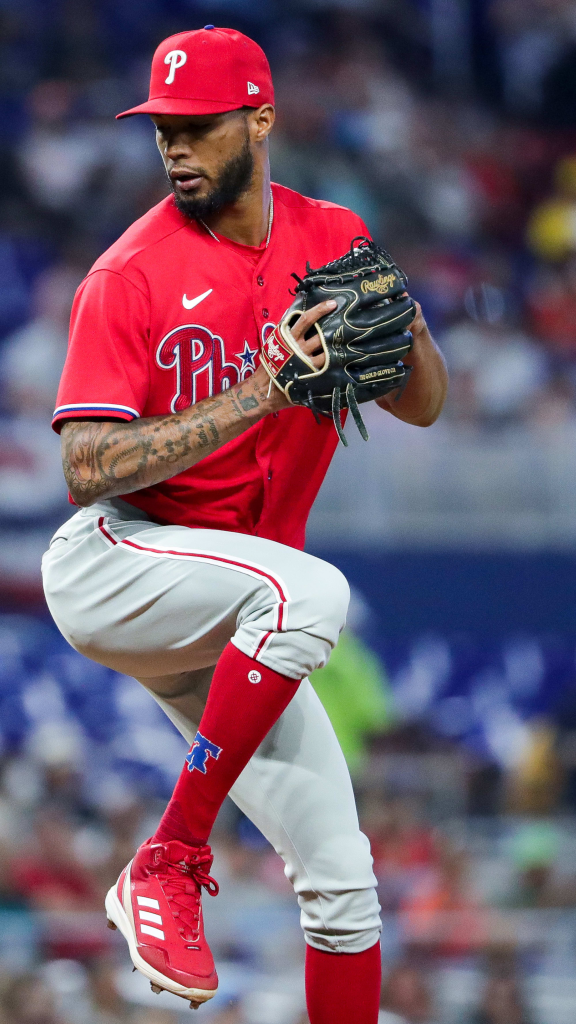
Sep 10, 2025; Philadelphia, Pennsylvania, USA; Philadelphia Phillies pitcher Cristopher Sanchez (61) throws a pitch against the New York Mets during the first inning at Citizens Bank Park. Mandatory Credit: Bill Streicher-Imagn Images | Bill Streicher-Imagn Images
A dramatic walk-off win earlier this week brought a spark to what had otherwise been a frustrating start to the 2026 season. Rookie Justin Crawford delivered the decisive moment, sending the home crowd into celebration and briefly shifting the mood around the club.
But beneath that headline moment, another storyline quietly resurfaced—one that says just as much about where this team is today.
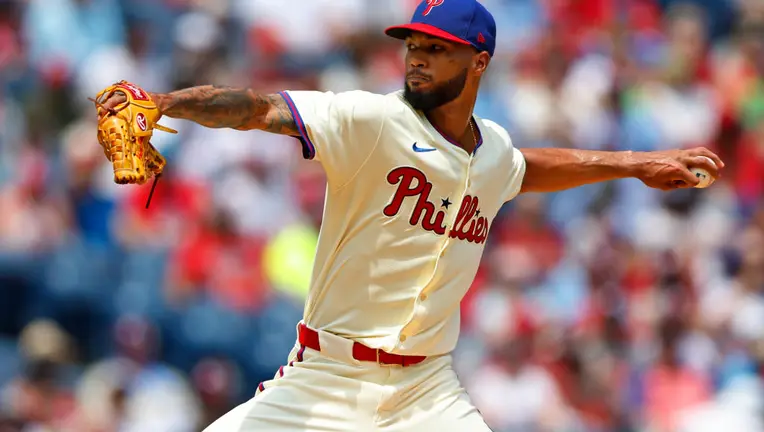
Cristopher Sánchez took the mound.
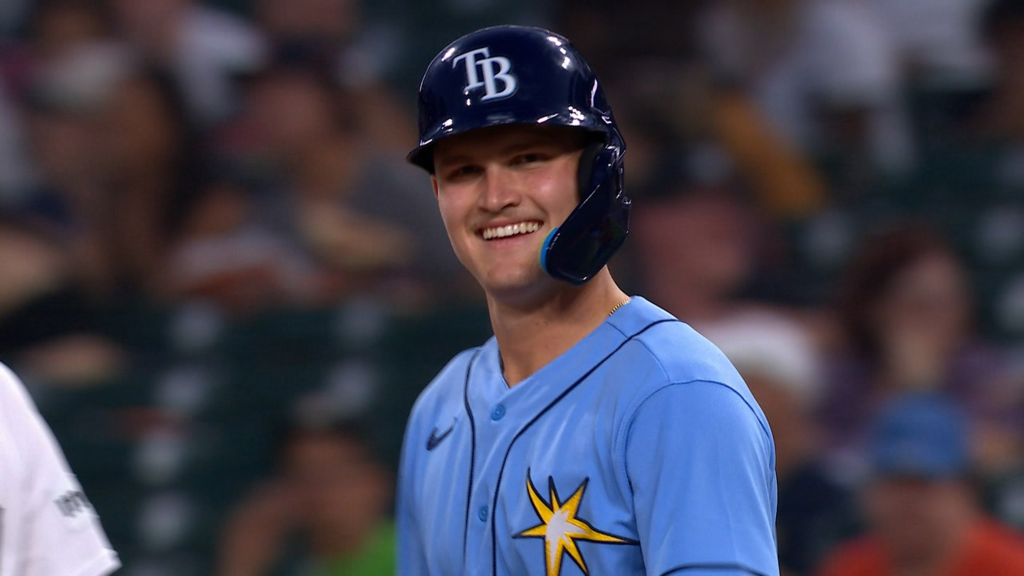
And standing in the opposing batter’s box was Curtis Mead—the same player he was traded for years ago.
It’s the kind of baseball twist that feels insignificant at first glance, until you remember how differently things have played out since that deal.
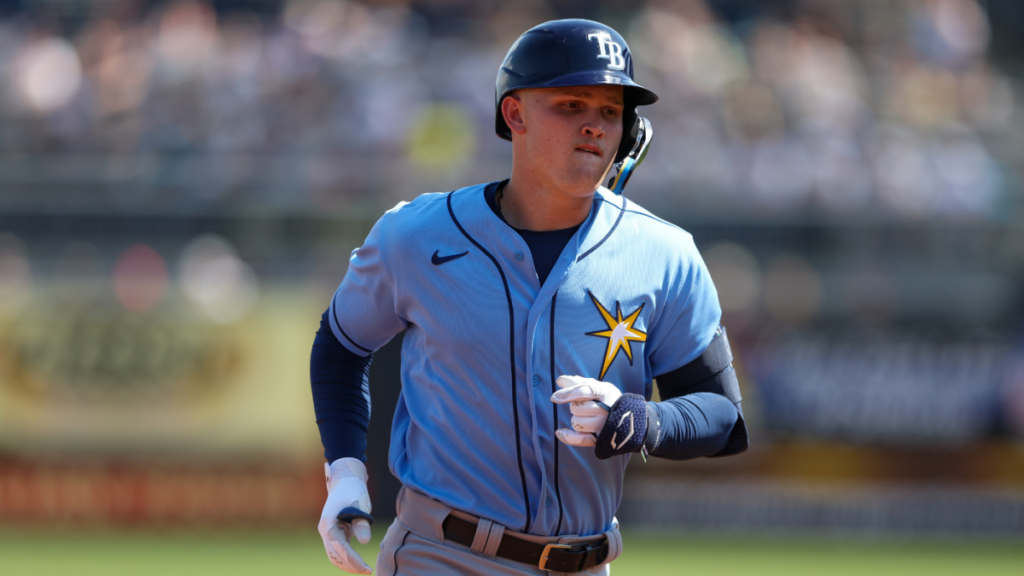
Back in November 2019, then-general manager Matt Klentak made a move that didn’t generate much attention at the time. The Phillies acquired a relatively unknown left-handed pitcher named Cristopher Sánchez from the Tampa Bay Rays.
In return, they sent away a young infielder from Australia—Curtis Mead.
At the time, the trade barely registered. And for a while, it looked like Tampa Bay might have come out ahead.
Mead quickly rose through the minor leagues, earning recognition as a top-100 prospect. Meanwhile, Sánchez struggled to find consistency, bouncing between roles and battling command issues as he tried to establish himself.
But that narrative didn’t last.
Everything shifted in 2023 when Sánchez was given a real opportunity in the Phillies’ rotation. He responded with a strong season, posting a 3.44 ERA and showing flashes of the pitcher he could become.
It was only the beginning.
By 2024, Sánchez had taken another step forward, earning an All-Star selection. Then came 2025, when he emerged as one of the top pitchers in the National League, finishing second in Cy Young Award voting.
Just like that, the trade looked completely different.
On the other side, Mead’s path has been far less stable. While he reached the majors, he has struggled to produce consistently, posting modest numbers over an extended sample. After being traded again last season, he now finds himself trying to reset his career with a new opportunity.
That contrast was on full display this week.
Facing each other once again, Sánchez controlled the matchup from the start. He delivered 5 1/3 innings of one-run baseball, striking out seven and keeping the Nationals’ offense in check. Mead, meanwhile, was held hitless in three at-bats before being lifted late in the game.
It wasn’t just a single-game result.
It was a reminder.
A reminder of how unpredictable player development can be. A reminder of how quickly narratives change. And for the Phillies, a reminder that one of their most important pieces came from a deal that once barely moved the needle.
That matters—especially now.
Despite early struggles this season, Philadelphia still has the talent to contend. And much of that confidence begins with Sánchez, who has grown into a legitimate ace at the front of the rotation.
Without him, the outlook looks very different.
The walk-off win may have grabbed the headlines. But the deeper story—the one that continues to age better with time—is about value, patience, and a trade that quietly reshaped the franchise.
For a fan base that hasn’t always had reason to celebrate recent front office decisions, this one stands out.
And it keeps looking better every time Sánchez takes the mound.
Leave a Reply