Spring training often provides an early glimpse into the future for young players. For New York Mets prospect Ryan Clifford, those early looks have reinforced exactly what scouts have long believed about his game — both the promise and the concern.
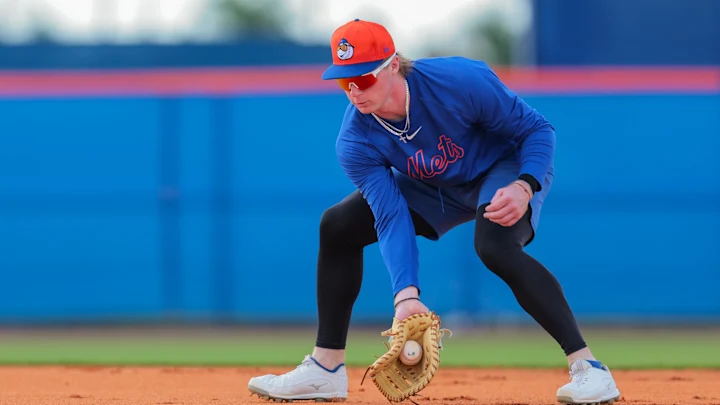
Clifford’s brief appearance in camp hasn’t produced many results at the plate. Through 11 at-bats, he is hitless with five strikeouts and three walks, a stat line that perfectly mirrors the profile he has carried throughout his minor league career.
The power is undeniable. The contact remains the question.
A familiar offensive profile
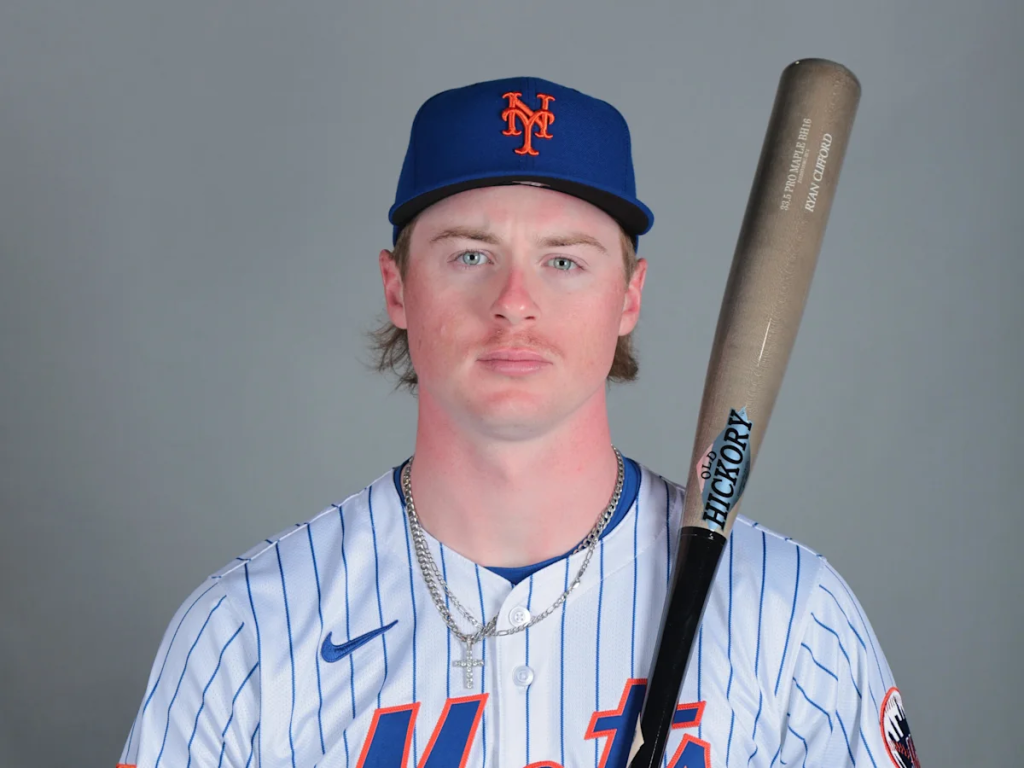
Clifford’s offensive identity has always leaned toward an all-or-nothing approach. His ability to draw walks is strong, but putting the ball in play consistently has proven more difficult.
That pattern showed up clearly during his time in High-A and Double-A, where he posted nearly identical numbers: a .236 and .237 batting average with a matching .357 on-base percentage at both levels.
Those numbers highlight his excellent plate discipline, but they also reveal the challenge he faces as pitching quality improves.
For Clifford, the biggest hurdle has never been recognizing pitches — it’s consistently making contact against them.
More development likely needed
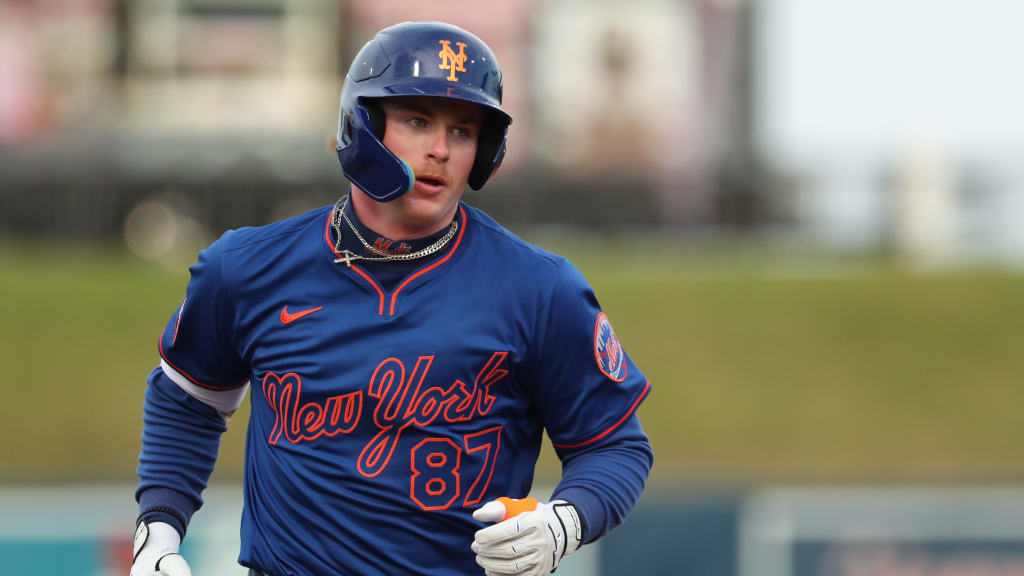
Because of that, Clifford is unlikely to begin the 2026 season in the major leagues. Even an optimistic projection would place him as a midseason call-up, and that would likely depend on injuries or roster needs.
The Mets already have several players competing for time at first base and in the corner outfield, the two positions where Clifford primarily fits.
Breaking through that depth chart will require both patience and continued improvement.
A promising but imperfect Triple-A sample
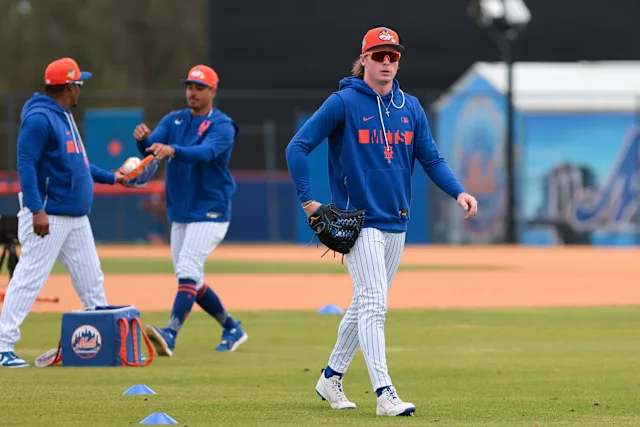
Clifford received a brief look at Triple-A late last season, offering a small preview of how his skill set might translate at the next level.
Across 142 plate appearances, he hit .219/.359/.395 with five home runs. The power flashed, and his 22 walks once again helped offset other weaknesses.
Strikeouts were still part of the picture — 35 in that span — but not to an overwhelming degree.
Even so, the performance reinforced the same storyline that has followed him throughout his development.
Power remains the defining tool
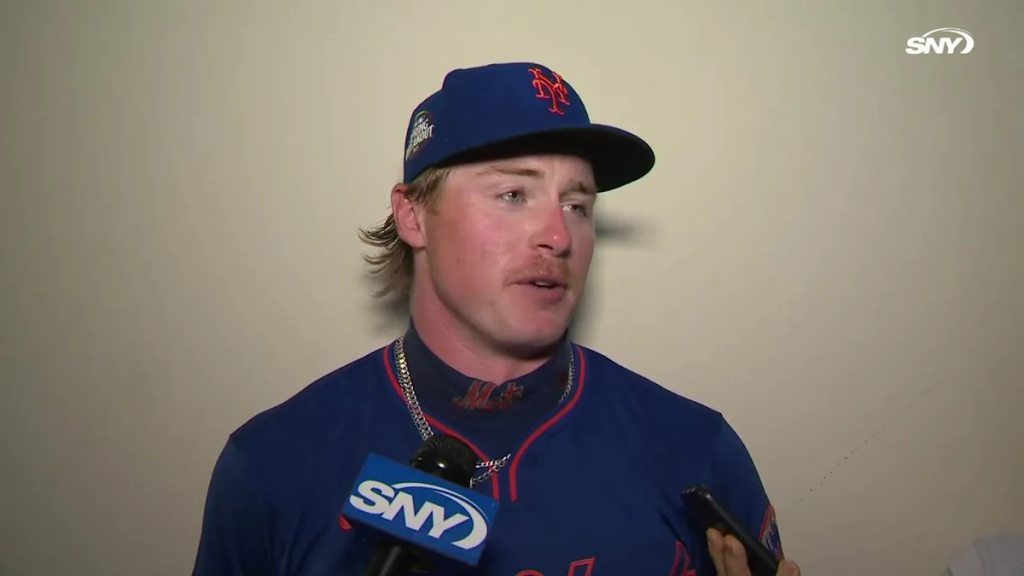
Despite the concerns about contact, Clifford’s power production is legitimate.
Last season he blasted 29 home runs and added 23 doubles, demonstrating the type of raw power that can carry a player even if his batting average remains modest.
If he eventually reaches the majors, his path likely resembles a classic power hitter profile: a player capable of hitting 30 or more home runs while batting around .240.
That formula can work in today’s game — but only if the power consistently shows up.
A difficult comparison
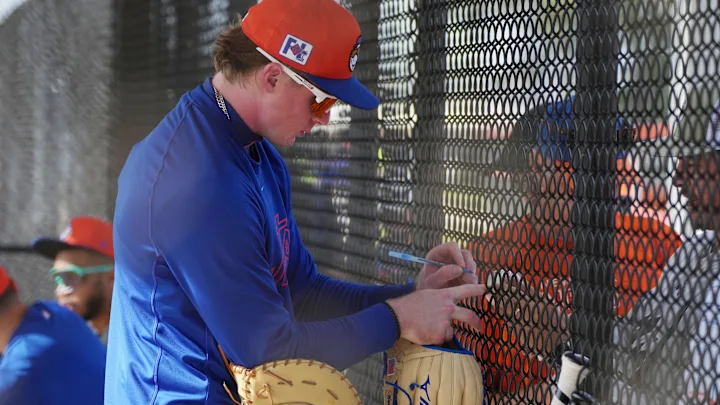
Some observers have compared Clifford’s statistical profile to former slugger Adam Dunn, another player known for towering home runs and high strikeout totals.
However, the comparison has limitations. Dunn dominated minor league pitching before reaching the majors, posting a .304/.425/.525 slash line in the minors.
Clifford’s path has been far more uneven.
Spring numbers aren’t everything
It’s important not to read too much into a small spring sample.
Eleven at-bats won’t change how the Mets evaluate Clifford’s long-term potential. His role in the organization remains largely the same.
For now, his development will continue in the minors — where the focus will remain on refining his approach while allowing his natural power to keep developing.
And at some point this season, it wouldn’t be surprising to see Clifford remind everyone of his biggest strength.
Because for a hitter with this kind of raw power, a two-home-run night is always lurking just around the corner.
Leave a Reply