The Chicago White Sox may not have “won” the offseason on paper.

Mar 13, 2026; Phoenix, Arizona, USA; Chicago White Sox outfielder Austin Hays against the Chicago Cubs during a spring training game at Camelback Ranch-Glendale. Mandatory Credit: Mark J. Rebilas-Imagn Images | Mark J. Rebilas-Imagn Images
But a few weeks into spring, it’s becoming clear they might have done something just as important — made the right moves.
No one is declaring victory yet. It’s too early for that. But after a steady showing in Cactus League play and signs of real progress across the roster, there’s a growing sense that this team is closer than it’s been in years.
Much of that optimism centers around the organization’s rising young talent.
Still, general manager Chris Getz deserves credit for a series of under-the-radar decisions that are already starting to look like smart bets.
Chris Murphy could quietly stabilize the bullpen

Feb 26, 2026; Phoenix, Arizona, USA; Chicago White Sox pitcher Chris Murphy against the Los Angeles Dodgers during a spring training game at Camelback Ranch-Glendale. Mandatory Credit: Mark J. Rebilas-Imagn Images | Mark J. Rebilas-Imagn Images
When the White Sox acquired Chris Murphy from Boston, it barely registered as a headline.
A reliever coming off Tommy John surgery, traded for a low-level prospect, doesn’t typically generate excitement. But Murphy has quickly changed that narrative.
After showing promise late last season, he carried that momentum into spring training. Over multiple appearances, he delivered consistent results, limiting runs, missing bats, and showing improved command.
More importantly, his pitch mix gives him flexibility.
Murphy isn’t a one-dimensional reliever. He can handle different types of hitters, making him a valuable option in a bullpen that still has some uncertainty.
For a team that may need early support behind an unproven rotation, that kind of reliability matters.
And if his spring performance is any indication, Murphy could end up being one of the more impactful additions of the offseason.
Austin Hays brings something the roster lacked
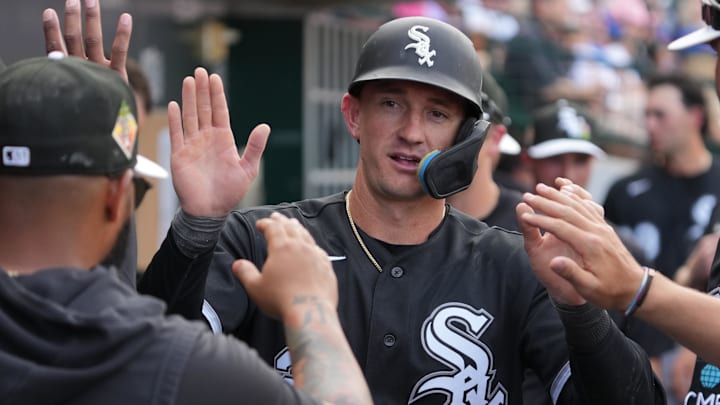
Mar 1, 2026; Mesa, Arizona, USA; Chicago White Sox left fielder Austin Hays (21) celebrates after hitting a solo home run against the Chicago Cubs in the third inning at Sloan Park. Mandatory Credit: Rick Scuteri-Imagn Images | Rick Scuteri-Imagn Images
The White Sox knew they couldn’t rely entirely on youth.
Developing players is one thing — building a functional lineup is another. That’s where Austin Hays fits in.
He’s not a superstar, and he doesn’t need to be.
What Hays provides is stability. He’s a proven major leaguer who can contribute across the board without becoming a liability. His power is solid, his defense is dependable, and his experience gives the lineup a needed sense of balance.
For a team trying to climb out of a rebuild, those traits are essential.
And he’s already showing signs of fitting in.
Hays put together a strong spring at the plate, reinforcing the idea that he can be a steady presence in the middle of a developing roster. For younger players, having someone like that alongside them can make a real difference over the course of a long season.
Sometimes, the smartest move isn’t the flashiest one.
It’s the one that fills a gap.
Anthony Kay represents another calculated gamble
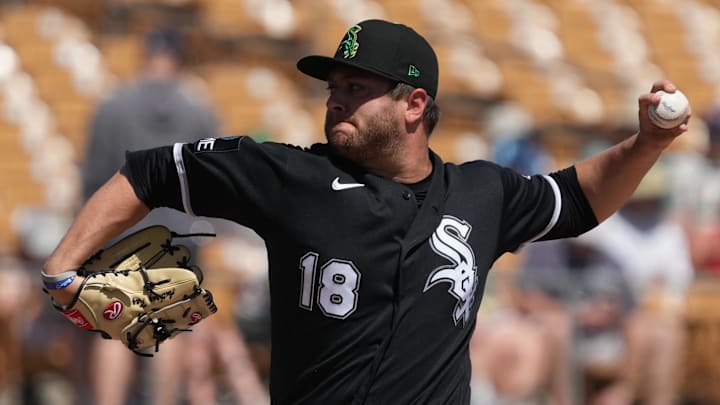
Mar 17, 2026; Phoenix, Arizona, USA; Chicago White Sox pitcher Anthony Kay (18) throws against the Athletics in the first inning at Camelback Ranch-Glendale. Mandatory Credit: Rick Scuteri-Imagn Images | Rick Scuteri-Imagn Images
The White Sox have gone down this path before.
Take a pitcher with major league experience, send him overseas, let him refine his game, and bring him back as a potential breakout candidate.
Anthony Kay is the latest version of that strategy.
After reinventing himself in Japan, where he posted dominant numbers, Kay returned to MLB looking like a different pitcher. And for much of spring training, he backed that up.
His command stood out immediately.
He limited walks, controlled at-bats, and showed the ability to work through lineups efficiently. For a rotation that doesn’t have many guaranteed innings-eaters, that’s a valuable trait.
There was a stumble late in camp — a rough outing that served as a reminder of the adjustment still ahead — but it doesn’t erase the broader picture.
Kay has shown enough to suggest he can contribute.
And if he does, he gives the White Sox something they’ve been searching for: stability from an unexpected source.
A different kind of progress
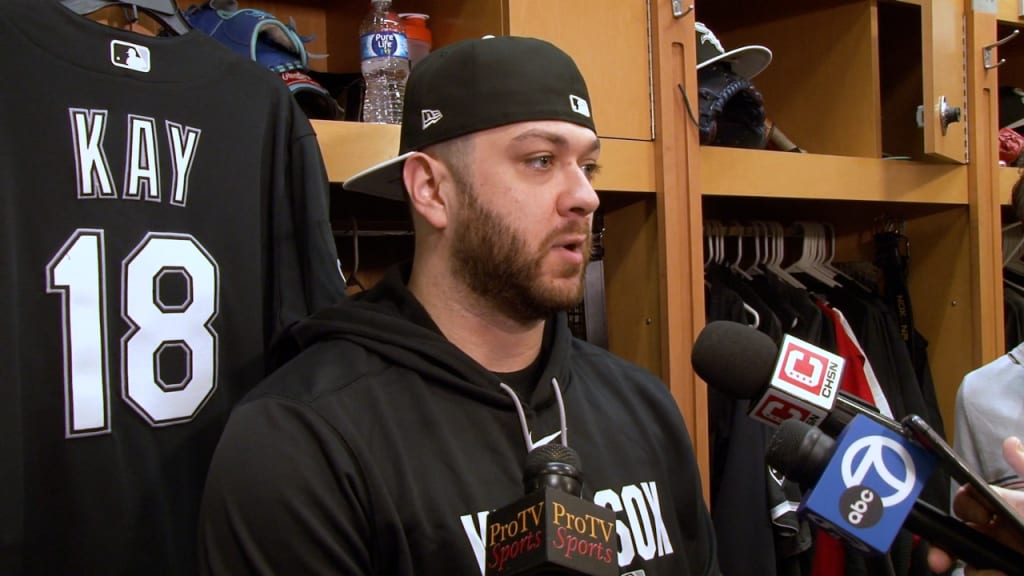
The White Sox didn’t rely on one big move this offseason.
They built incrementally.
Murphy strengthens the bullpen. Hays stabilizes the lineup. Kay offers upside in the rotation. And alongside a wave of young talent, those additions begin to form a more complete picture.
It doesn’t guarantee success.
But it does signal something important.
For the first time in a while, the White Sox don’t just look like a team hoping to improve.
They look like a team that actually might.
Leave a Reply