The Chicago White Sox thought they had clarity behind the plate.
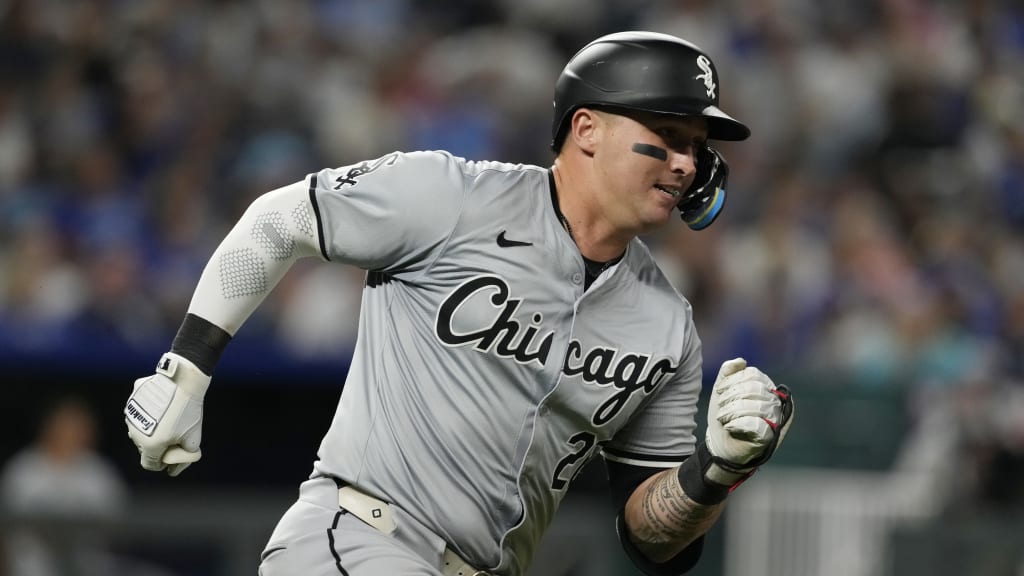
Now, just days before Opening Day, that picture is anything but settled.
A late addition—veteran catcher Reese McGuire—has quietly reshaped the conversation, creating new pressure on an already crowded position group. What once looked like a straightforward competition has turned into one of the more complicated roster decisions the team faces.
At the center of it all is Korey Lee.
Lee entered camp as a legitimate contender to hold a key role, backed by a full major league season and strong defensive metrics. He showed flashes of value, particularly with his arm strength and ability to control the running game, traits that are difficult to replace.
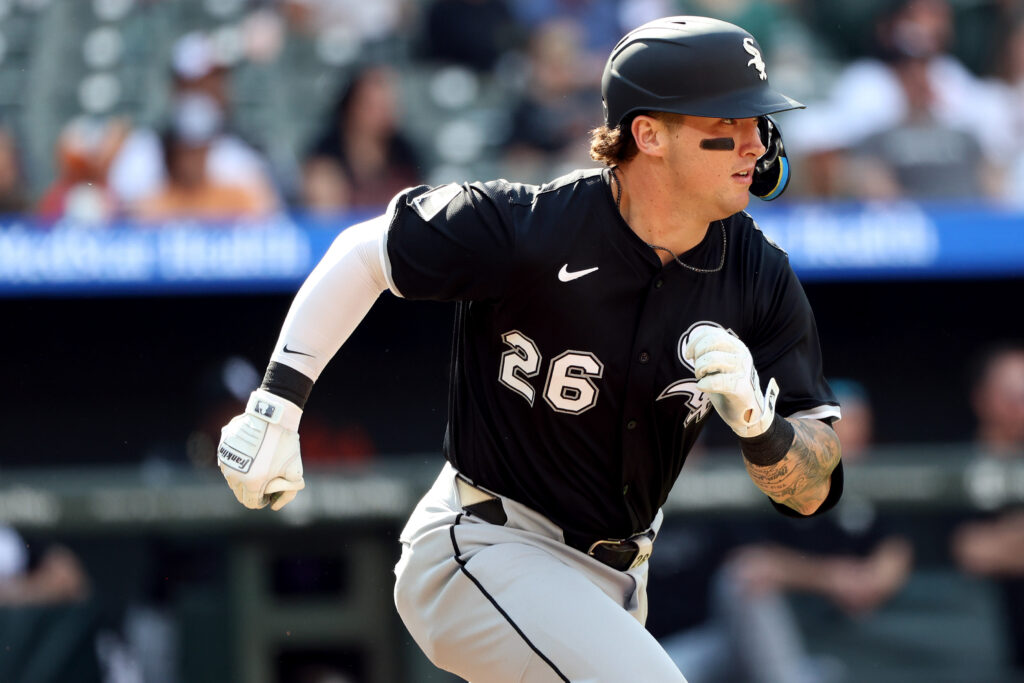
But the White Sox aren’t operating in a vacuum.
Younger options like Edgar Quero—and previously Kyle Teel before injury complications—have been pushing for playing time. The organization is clearly leaning toward a youth movement, and that shift has left Lee in an increasingly uncertain spot.
Enter McGuire.
The veteran catcher brings experience and defensive reliability, and his arrival signals that Chicago isn’t entirely comfortable relying solely on its younger group. Even on a modest deal, adding a player like McGuire introduces competition—and forces tougher decisions.

It also changes the math.
Roster construction at catcher is rarely flexible. Most teams carry two backstops, occasionally three if there’s positional versatility. But that’s where things get tricky for the White Sox. Lee, notably, is out of minor-league options, meaning the team risks losing him if he doesn’t make the roster.
That reality raises the stakes significantly.
Chicago has already explored ways to increase Lee’s value, even experimenting with him in other positions to create flexibility. Still, with multiple catchers vying for limited spots, someone is bound to be squeezed out.
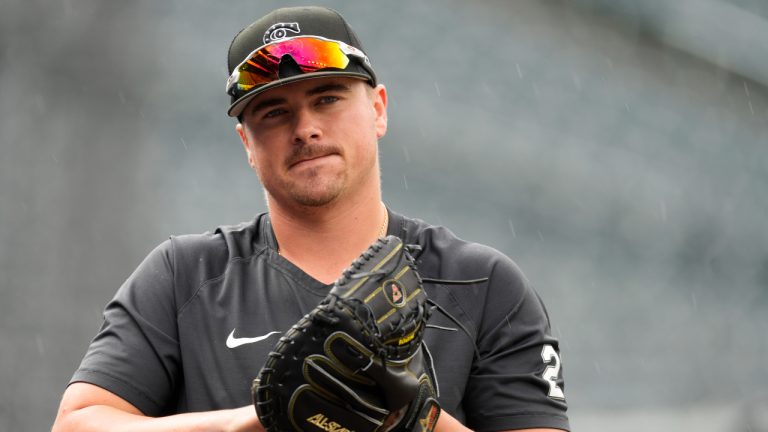
And Lee may be the most vulnerable.
That doesn’t mean his case is weak—it means the situation is complicated.
The White Sox are balancing present needs with future priorities. Quero represents long-term upside. McGuire offers short-term stability. Lee sits somewhere in between—a capable player who doesn’t neatly fit either category.
Those are often the toughest decisions to make.
As Opening Day approaches, the front office faces a choice: prioritize development, lean on experience, or try to keep both at the cost of roster flexibility.
There may not be a perfect answer.
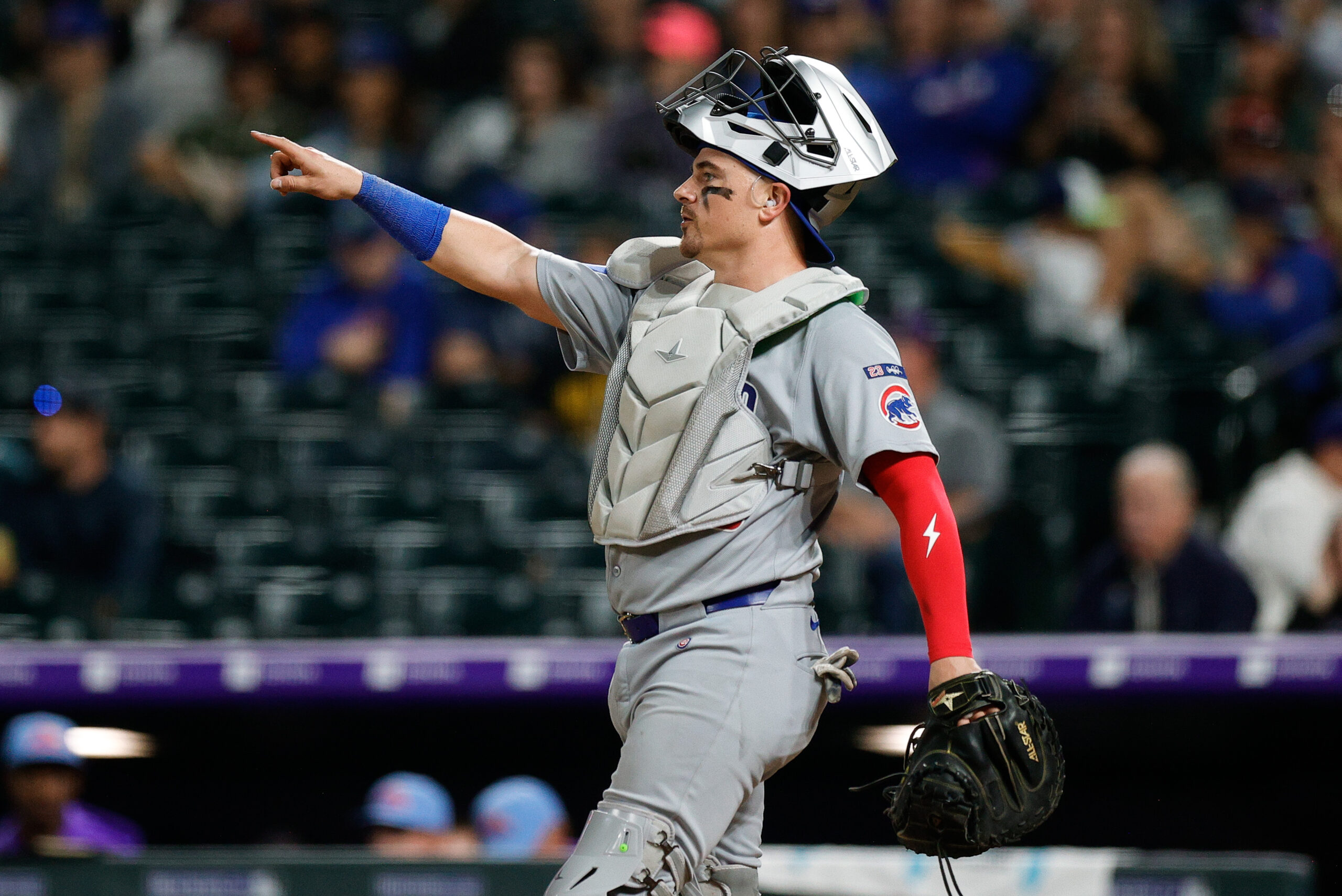
What is clear is that the catching situation has become one of the defining roster battles of the final week of camp. A move that initially looked minor has introduced real consequences—and someone will ultimately pay the price.
For the White Sox, it’s another reminder that rebuilding isn’t just about adding talent.
It’s about deciding which pieces are worth keeping when space runs out.
Leave a Reply