Chicago White Sox pitcher Sean Burke enters the 2026 season in a familiar yet uncertain position. After a roller-coaster 2025 campaign, Burke is once again competing for a spot in the team’s starting rotation during spring training.
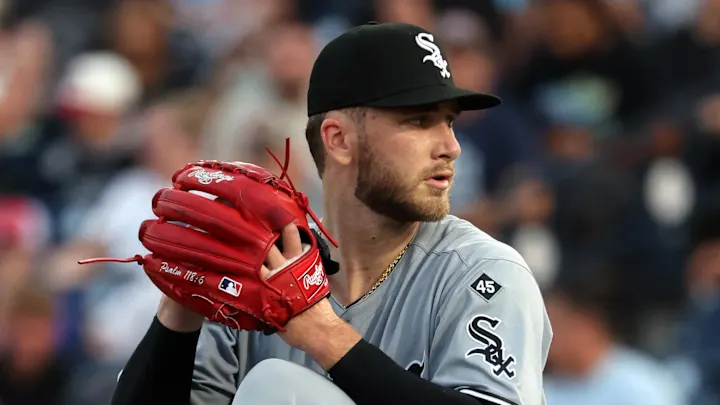
Last year, Burke opened the season as the White Sox Opening Day starter, but inconsistent performances eventually led to a midseason demotion to Triple-A. He later returned to the majors and finished the year on a stronger note, but nothing about his rotation spot is guaranteed heading into this season.
To secure a place on Chicago’s pitching staff, Burke must make progress in three key areas.
1. Fixing His First-Inning Problems
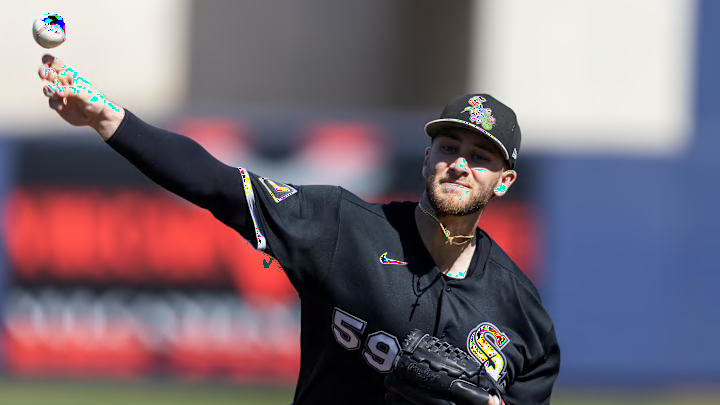
Feb 27, 2026; Phoenix, Arizona, USA; Chicago White Sox pitcher Sean Burke against the Milwaukee Brewers during a spring training game at American Family Fields of Phoenix. Mandatory Credit: Mark J. Rebilas-Imagn Images | Mark J. Rebilas-Imagn Images
One of Burke’s biggest issues in 2025 was how he started games.
Across 22 starts, he posted a 5.56 ERA in the first inning, often struggling with command before settling into a rhythm later in the game. The White Sox were so concerned about these early struggles that they used an opener in six of his starts.
Early returns this spring have been encouraging. Burke has yet to allow a run in the first inning of his outings, though the sample size remains small and opposing lineups have not always been at full strength.
If Burke can consistently get through the first inning cleanly, it would go a long way toward solidifying his place in the rotation.
2. Improving Command
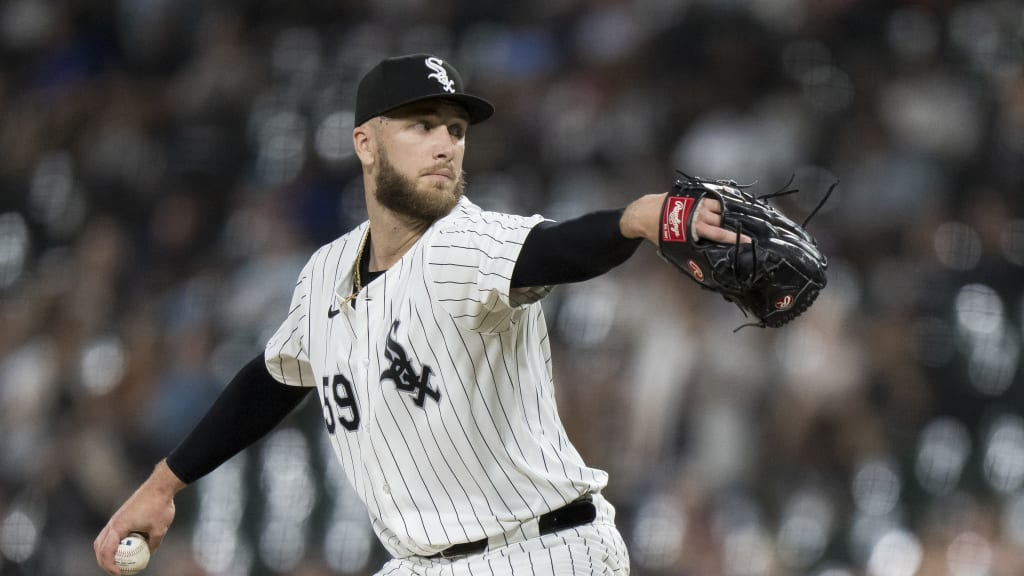
Burke’s raw stuff has never been the issue.
The right-hander features a mid-90s fastball that can reach 97 mph, along with a slider and changeup that both grade as above-average pitches.
The problem lies with control.
In 2025, Burke posted a 10% walk rate, placing him in the bottom 10% of the league. Poor pitch location also contributed to too many fly balls and hard contact.

To address the issue, Burke is experimenting with moving away from his sinker, hoping that doing so will help sharpen the effectiveness of his slider and improve his fastball command.
Even modest improvement would help. If Burke can reduce his walk rate to around 7–8%, his strong strikeout ability could make him a far more reliable starter.
3. Limiting Home Runs

Another area Burke must improve is keeping the ball in the park.
He allowed 23 home runs in 2025, the highest total among White Sox pitchers. Many of those came when his breaking pitches were left too high in the strike zone.
His fastball can be effective when elevated, but his curveball and slider need to stay down to avoid becoming hittable.
So far this spring, Burke has allowed just one home run, which came on a sinker that drifted over the middle of the plate during a start against the Brewers.
A Rotation Spot Within Reach
If Burke can:
- Avoid early-inning struggles
- Improve his command
- Reduce home runs
he could firmly secure his place in the White Sox rotation.
With several young arms competing for roles in Chicago’s pitching staff, Burke’s performance during the remaining weeks of spring training may determine whether he opens the season in the majors or returns to Triple-A.
For now, the opportunity is there — but he’ll need to prove he’s ready to take it. ⚾
Leave a Reply