The Philadelphia Phillies didn’t wait for uncertainty to catch up with them.
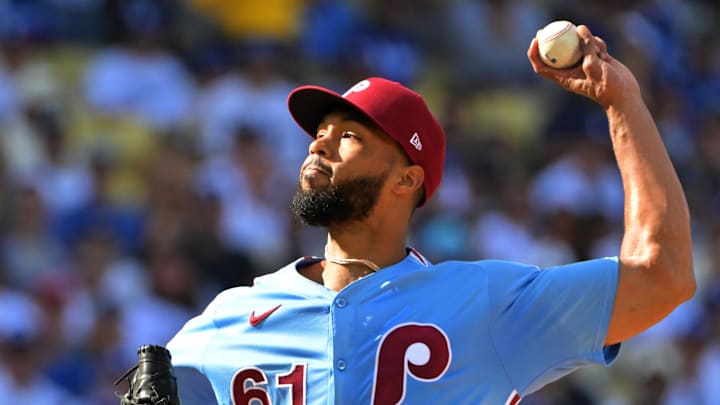
Oct 9, 2025; Los Angeles, California, USA; Philadelphia Phillies pitcher Cristopher Sanchez (61) throws in the first inning against the Los Angeles Dodgers during game four of the NLDS round for the 2025 MLB playoffs at Dodger Stadium. Mandatory Credit: Jayne Kamin-Oncea-Imagn Images | Jayne Kamin-Oncea-Imagn Images
Instead, they made a decisive—and unexpected—move to secure a key piece of their future.
Just days before Opening Day, the Phillies reached a long-term extension with Cristopher Sánchez, locking in the breakout left-hander through at least 2032. The deal guarantees over $100 million and includes an additional club option, signaling a clear commitment to one of their fastest-rising stars.
It’s a move that caught many by surprise.
Sánchez was already under team control for several more years on a highly favorable contract. There was no immediate pressure to act, and from a purely financial standpoint, the Phillies could have waited.
But they chose not to.
That decision says a lot about how the organization views both Sánchez—and its own future.
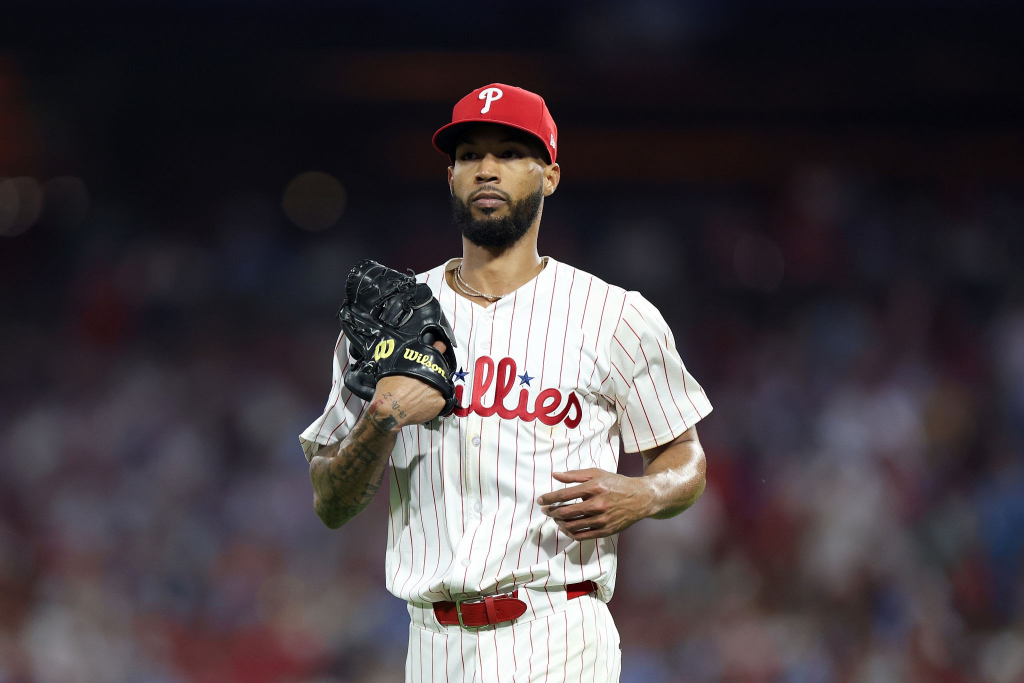
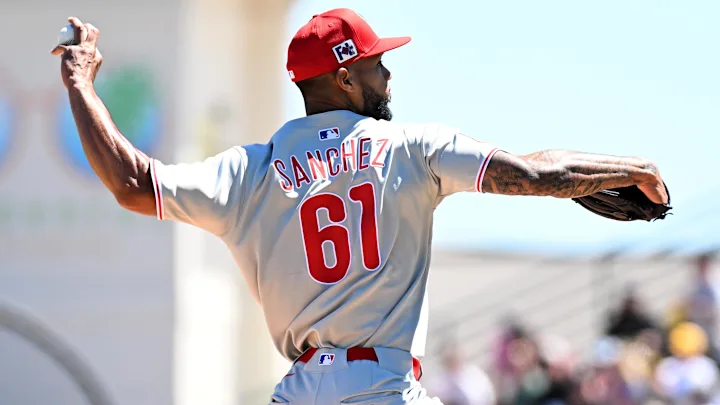
The 2025 season changed everything for the 28-year-old. After showing flashes in previous years, Sánchez took a major leap forward, emerging as one of the most effective pitchers in baseball. He posted a dominant ERA over a full workload, finished near the top of the Cy Young race, and proved he could anchor a rotation when it mattered most.
He didn’t just improve—he established himself.
For a team facing looming questions about its pitching core, that kind of emergence carries enormous weight.
Aaron Nola remains a key figure, but signs of decline have started to surface. Zack Wheeler is still elite when healthy, yet his long-term outlook is uncertain following surgery and hints about a possible early retirement. Meanwhile, Ranger Suárez is already gone, a reminder that even successful teams can’t keep everyone.
That’s the backdrop for this extension.
By acting now, the Phillies aren’t just rewarding past performance—they’re buying stability. They’re ensuring that as their veteran core ages, they’ll still have a frontline starter capable of leading the next phase of the team.
It’s also a shift in approach.
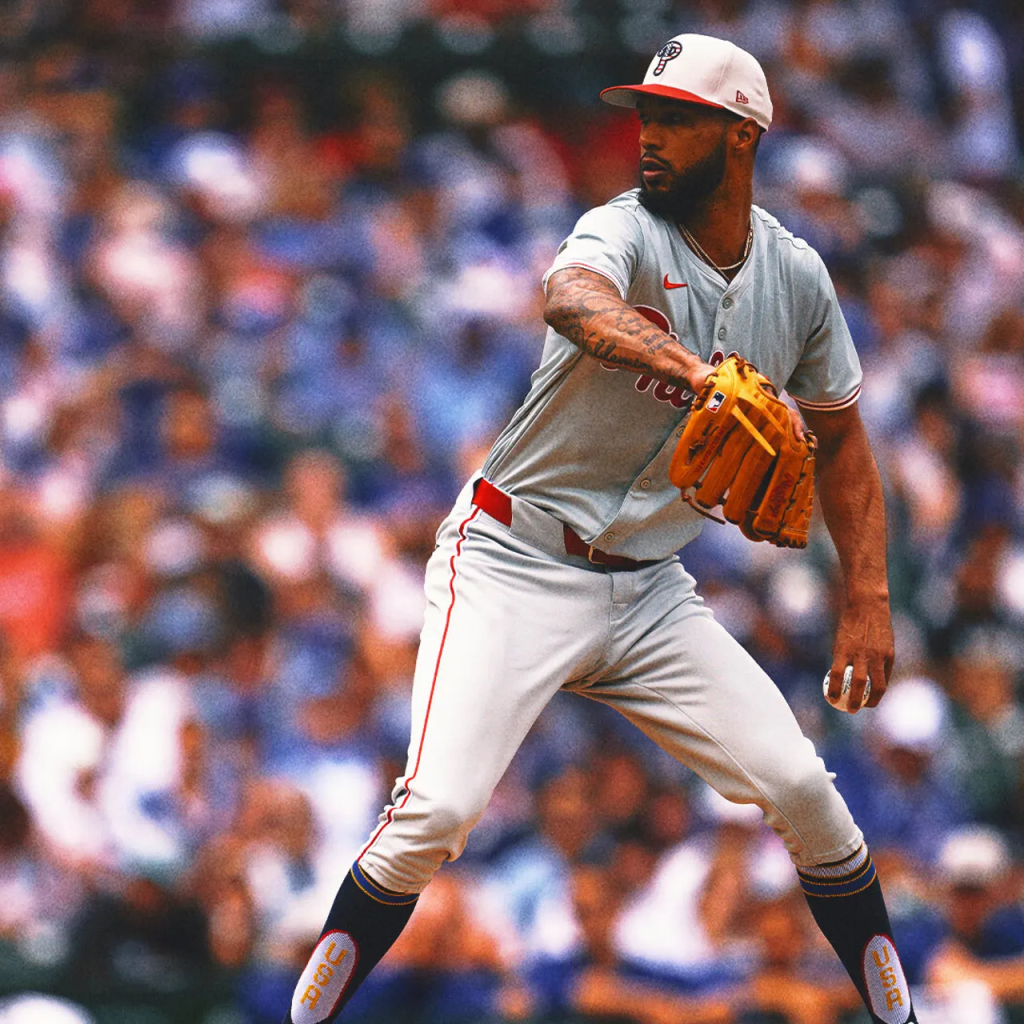
Rather than squeezing maximum value out of an already team-friendly deal, Philadelphia chose to invest early and build goodwill. That kind of move can resonate inside a clubhouse, especially when it involves a player who has just proven he can carry significant responsibility.
Of course, there’s risk.
Sánchez’s breakout, while impressive, is still relatively recent. Committing long-term money always comes with uncertainty, particularly for pitchers. But the Phillies are clearly betting that what they saw in 2025 is sustainable—and perhaps just the beginning.
If they’re right, this deal could look like a bargain in a few years.
More importantly, it gives the organization something it desperately needs: a bridge between eras.
The Phillies have been built around established stars for years. That window isn’t closed, but it’s no longer wide open either. Moves like this suggest the front office is preparing for what comes next without sacrificing the present.
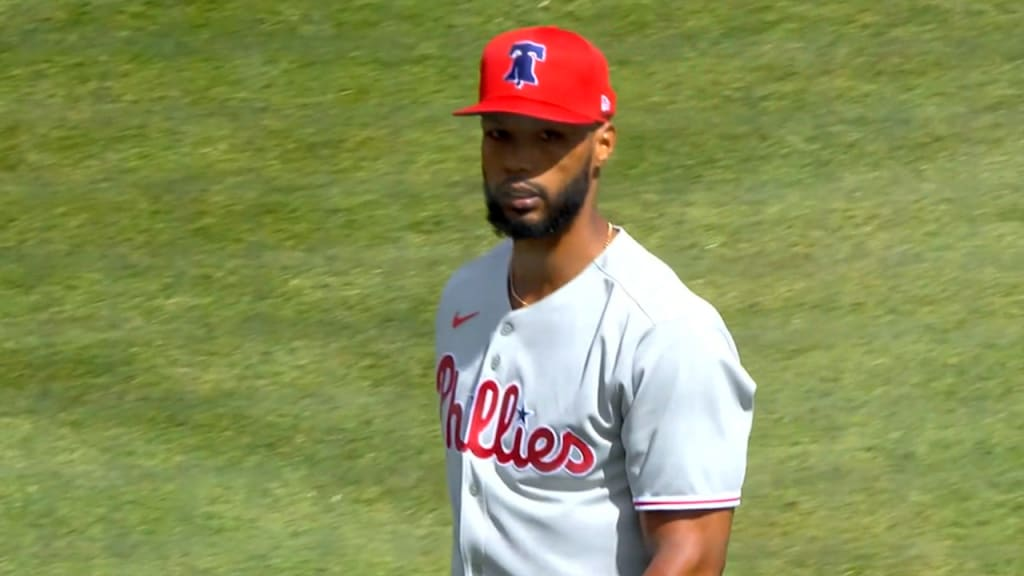
In Sánchez, they believe they’ve found that connection point.
And by acting now—before the price climbed even higher—they may have just secured the foundation of their future rotation.
Leave a Reply