When dawn broke on the 25th, South Korea awoke to heartbreaking news: Lee Soon-jae, the legendary actor whose name had become synonymous with excellence, longevity, and unshakable devotion to his craft, had passed away at the age of 91. The announcement sent shockwaves across the entertainment world, triggering an outpouring of grief from fans, colleagues, and admirers spanning multiple generations.
For many, Lee wasn’t just an actor — he was an institution. His voice, his presence, and his performances were woven into the fabric of Korean culture. And his final chapter, marked by relentless passion even in frail health, now deepens the sorrow of his departure.
A Legacy Written Across Six Decades
Lee Soon-jae’s career began long before the modern Korean Wave surged across the world. Debuting in the late 1950s, Lee carved out a space for himself in an era where television was still in its infancy and film studios still operated like small kingdoms. His rise was not the overnight variety that fame often brings today. His ascent came through discipline, mastery, and a deep, almost scholarly respect for acting.
Over the next 60 years, he built one of the most extraordinary bodies of work in Korean entertainment history:
– critically acclaimed dramas,
– hit sitcoms that cemented his place as a household name,
– historical epics,
– films that showcased the quiet power and emotional precision of his craft.
He possessed an ability rare even among great actors — the power to shift seamlessly from imposing patriarch to comedic elder to tragic figure, often within the same year. Directors admired him for his intuition. Younger actors revered him as a mentor. Audiences adored him for the emotional truth he brought to every role.
A Lasting Achievement That Made History
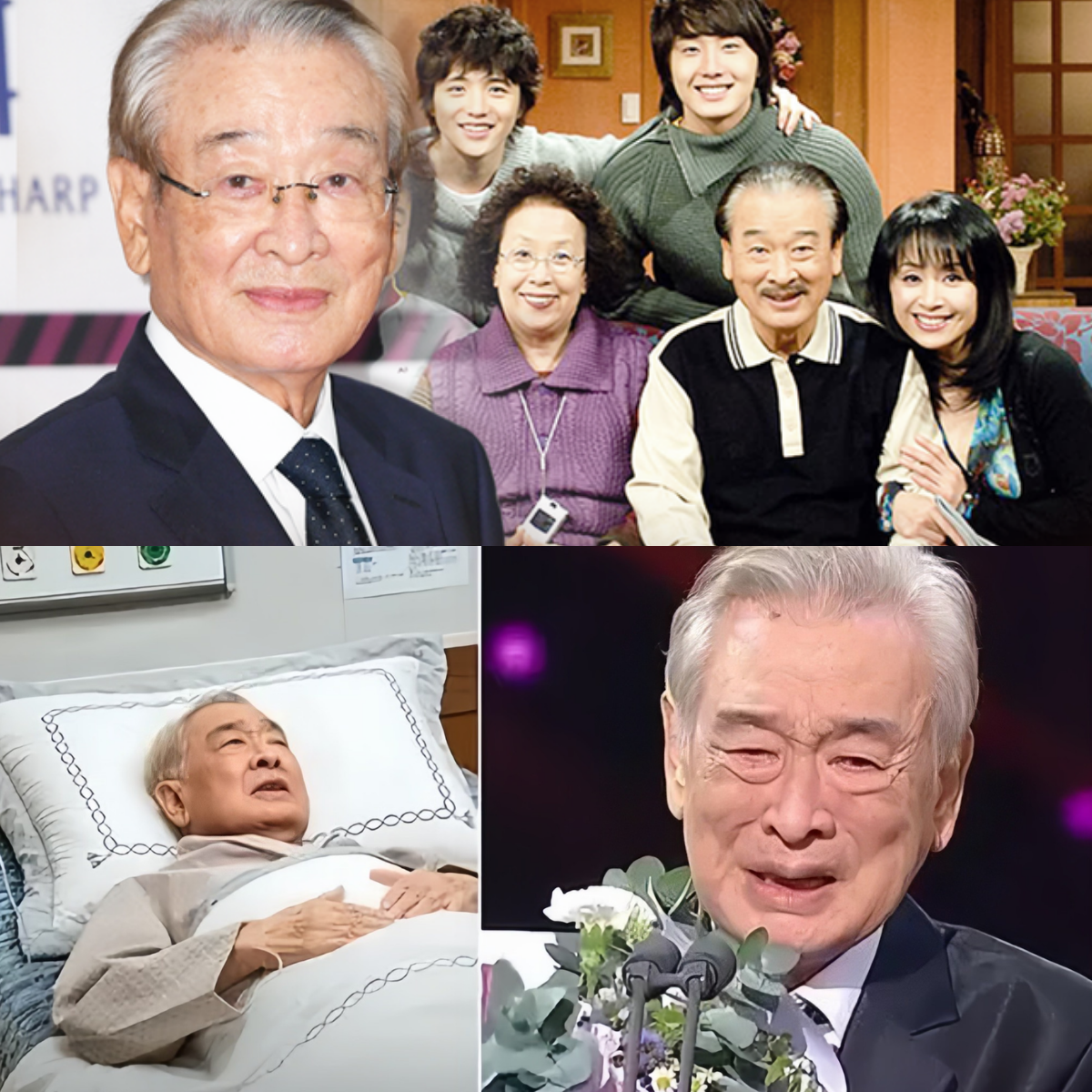
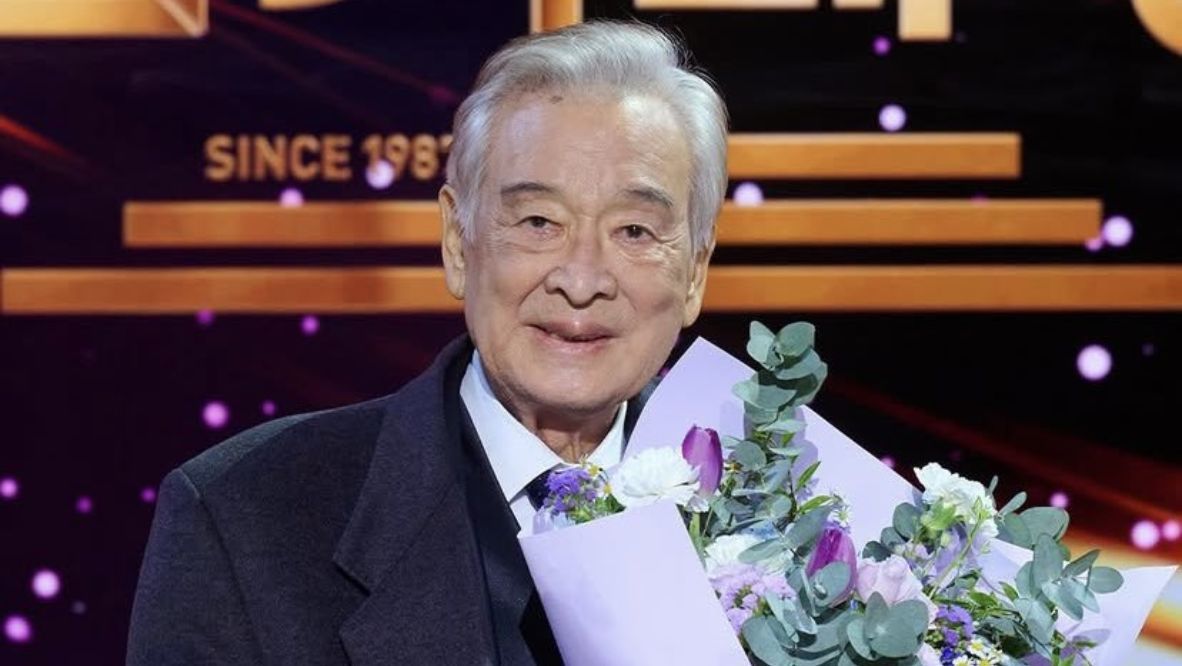
Just last year, at an age when most artists would have retired long ago, Lee Soon-jae achieved something unprecedented: he became the oldest actor ever to win the Daesang, the highest honor at the KBS Drama Awards.
The moment stunned viewers not because of the award itself, but because of what it represented — a man who had not slowed down, who had not even considered stepping away, still delivering performances with the sharpness and heart of someone half his age.
It wasn’t a sentimental prize. It was recognition of a performance that stood above all others.
In his acceptance speech, Lee did not speak about greatness or legacy. Instead, he spoke about responsibility — to the craft, to the audience, and to the younger generation of actors who looked up to him. “We are never done learning,” he said. “We serve the story until our final breath.”
Those words now take on a haunting, beautiful weight.
A Teacher Until the End
Despite health issues in recent years, Lee refused to withdraw from public life. Even after being advised to limit physical exertion, he continued teaching at universities, offering acting workshops, and mentoring young performers who sought his guidance.
Students describe him as strict in the way only a master can be, yet endlessly patient. He would spend hours explaining the emotional architecture of a scene — not the lines, not the blocking, but the psychology beneath the words. He demanded sincerity. He rejected shortcuts. He believed acting was not the art of pretending but the art of understanding.
One former student shared, “He didn’t teach us how to be actors. He taught us how to be human beings first. Only then, he said, could we tell human stories.”
To many aspiring artists, a lesson with Lee Soon-jae felt like standing at the foot of a mountain — humbling, inspiring, unforgettable.
A Quiet, Heartbreaking Final Night
In the days leading up to his passing, those closest to him reported that his health had declined noticeably. Yet, even as his body weakened, his spirit never dimmed. Nurses recalled him joking lightly with staff, asking about their families, and insisting on greeting visitors with a warm smile.
His final hours were described as peaceful, though deeply emotional. Surrounded by family and a few trusted colleagues, Lee drifted in and out of rest as dawn approached. A small photograph — one of his earliest theater performances — rested on the bedside table. His hands, always expressive on screen, lay still atop the blanket.
Witnesses say the room felt “frozen in time.” There was no chaos, no dramatic struggle. Only silence, gratitude, and the weight of a life lived with rare purpose.
The moment he took his last breath, a long chapter in Korean entertainment quietly closed.
A Nation Reflects on the Man Behind the Roles
Tributes began pouring in within minutes of the news breaking. Industry veterans called him “irreplaceable.” Younger actors referred to him as “the pillar that held up our craft.” Directors described him as “the rare actor whose presence elevated everyone around him.”
Social media, too, erupted with grief and remembrance. Clips of Lee’s most iconic scenes circulated widely, accompanied by messages from fans who grew up watching him, learned life lessons from him, or simply felt comforted by the warmth he brought to every role.
International audiences — many of whom discovered him through Korean shows now streaming worldwide — expressed shock at the loss of a performer whose influence reached far beyond cultural borders.

The End of an Era, But Not the End of His Voice
Lee Soon-jae’s passing leaves a void that cannot be filled. Yet, his presence endures — not only in the hundreds of roles he left behind but in the ripple effect of his mentorship, his discipline, and the generations of actors shaped by his guidance.
His career stands as proof that longevity is not measured in years alone but in the depth of one’s contribution. Few actors ever achieve such mastery. Even fewer maintain it for more than six decades.
As fans continue to revisit his films, dramas, and interviews, one sentiment emerges repeatedly:
He never acted for fame. He acted because he loved the craft.
And that love carried him all the way to his final day.
In Korea and beyond, audiences will remember him not just for the characters he played, but for the sincerity, dignity, and humanity he brought to each one.
A giant has left the stage. But his shadow — and his legacy — will remain for generations.
Leave a Reply