When the Mets missed out on Kyle Tucker, they pivoted fast.
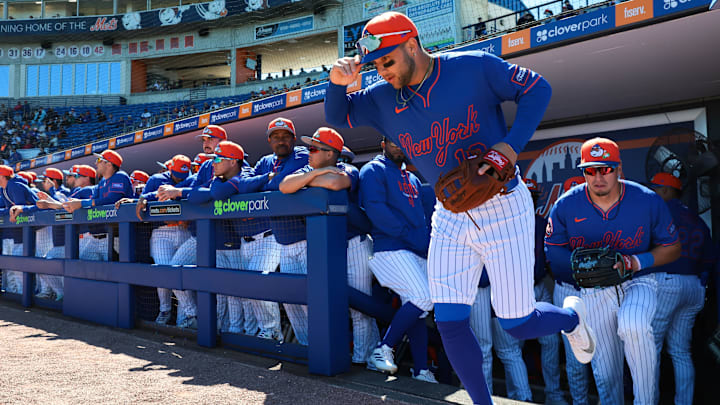
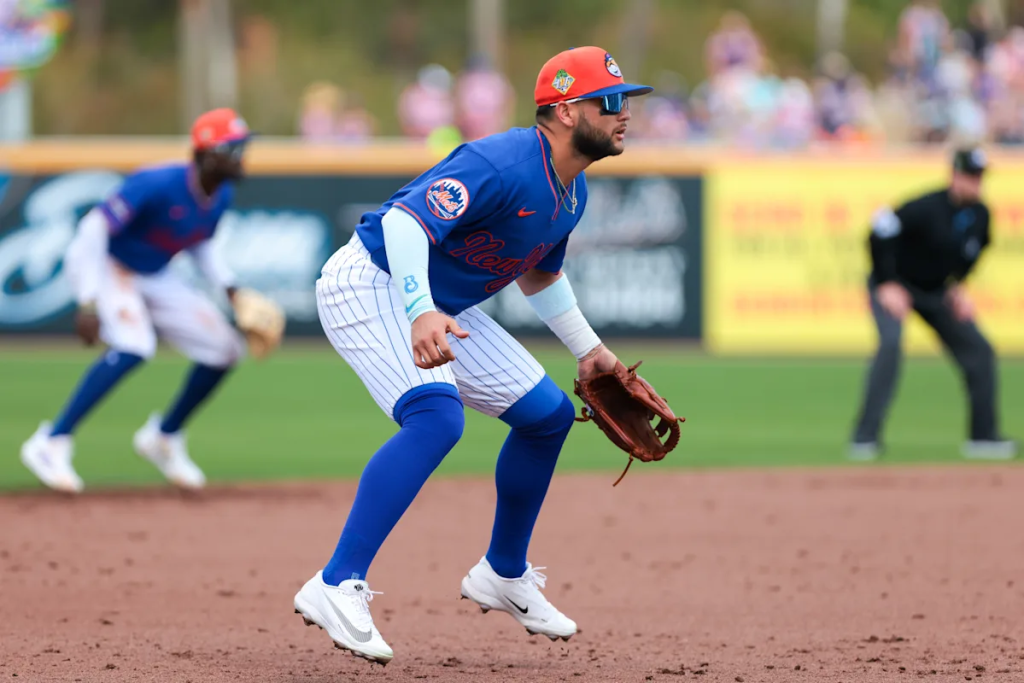
Feb 24, 2026; Port St. Lucie, Florida, USA; New York Mets third baseman Bo Bichette (19) runs onto the field before the game against the Houston Astros at Clover Park. Mandatory Credit: Sam Navarro-Imagn Images | Sam Navarro-Imagn Images
Bo Bichette became the consolation prize — and on paper, a strong one. A three-year, $126 million contract gives New York a dynamic bat and a solution at third base without locking into a decade-long commitment.
But this isn’t a simple short-term deal.
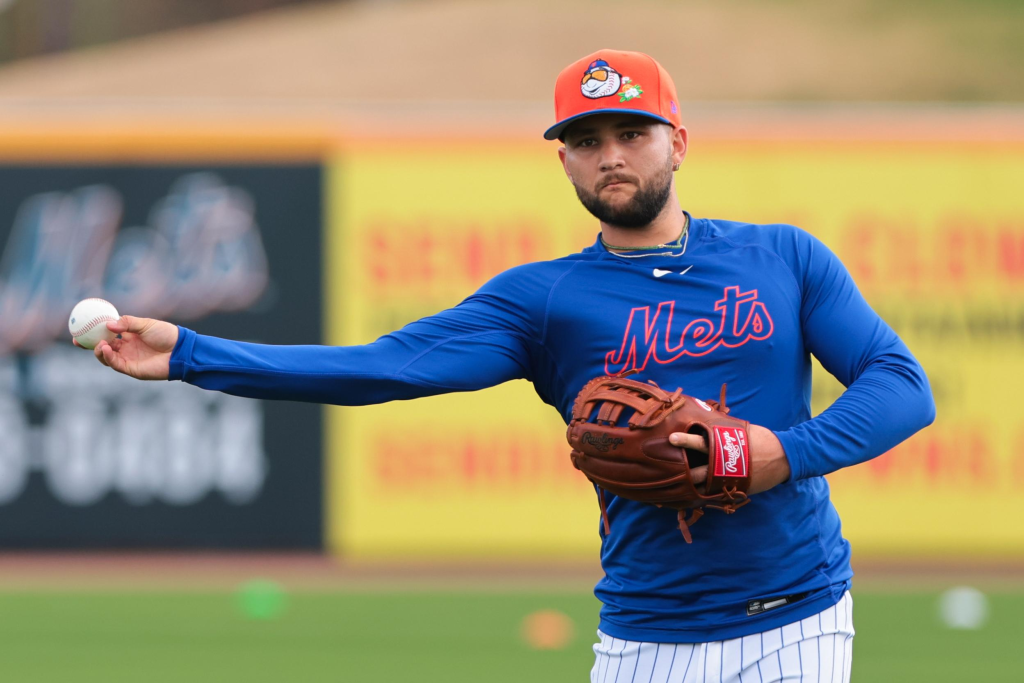
It might be the most strategically complicated contract in baseball.
Bichette’s agreement includes opt-outs after each of the first two seasons. That alone isn’t unusual in today’s market. What makes it different is the added wrinkle: if he opts out after 2026, he collects a $5 million bonus on top of his $42 million salary.
That clause shifts leverage dramatically.
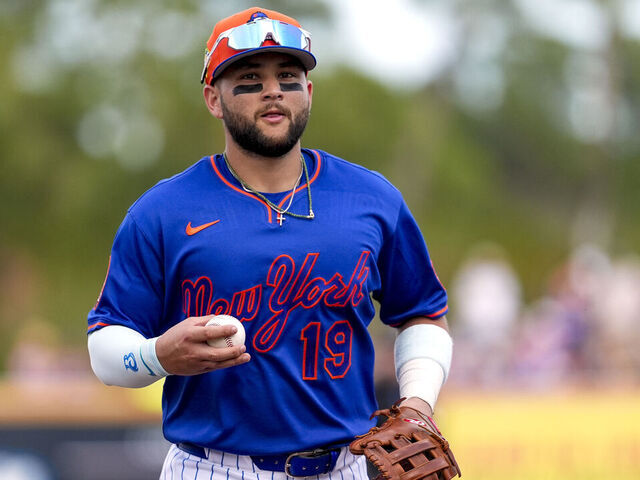
If Bichette thrives in his new role, he cashes in twice — first with the bonus, then with a long-term free-agent deal in what could be a weak position-player market. If he struggles, he simply stays put and pockets another $42 million in 2027.
From the Mets’ perspective, much of the downside risk sits on their ledger.
The contract also reopens the long-running debate about Bichette’s defensive home.
Outside of roughly 30 games at second base, he’s been a shortstop exclusively since turning pro. Yet his defensive metrics paint an uncomfortable picture. In 2025, he posted -12 Defensive Runs Saved — worst among MLB shortstops. In 2022, he was even lower at -16.
Range has never been his calling card.
The move to third base offers a fresh start, but it’s not automatically a fix. Third requires quick reactions, lateral agility, and arm strength — areas that haven’t consistently graded as strengths for Bichette. A small spring training sample hasn’t clarified much.
If he excels offensively but remains shaky defensively, his value profile becomes even trickier.
Should he opt out after a big season, will teams view him as a shortstop again? A long-term third baseman? Or eventually a bat-first infielder drifting down the defensive spectrum?
And if he doesn’t opt out?
The Mets may find themselves navigating positional uncertainty for the full three-year term while absorbing most of the financial risk.
There’s no questioning Bichette’s offensive ceiling. When right, he’s one of the game’s most dangerous right-handed hitters — capable of anchoring a lineup. That’s what the Mets are betting on.
But the structure of the deal ensures that clarity may never arrive quickly.
This wasn’t the blockbuster Plan A. It was the aggressive pivot after missing Tucker — and perhaps one that required some negotiating concessions.

If Bichette flourishes, he could reset the short-term superstar market with creative opt-outs and bonus triggers. If it backfires, this deal may become a cautionary tale about flexibility favoring the player too heavily.
Either way, Bo Bichette’s next trip through free agency won’t just be about performance.
It will be about positioning — on the field and at the negotiating table.
Leave a Reply