The White Sox have officially turned the page from speculation to reality.
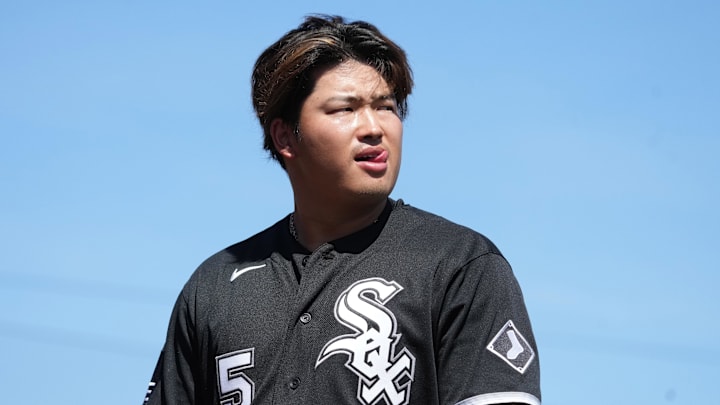
Mar 17, 2026; Phoenix, Arizona, USA; Chicago White Sox third baseman Munetaka Murakami (5) reacts against the Athletics in the second inning at Camelback Ranch-Glendale. Mandatory Credit: Rick Scuteri-Imagn Images | Rick Scuteri-Imagn Images
Opening Day didn’t just mark the start of the season—it offered the first real look at how this team intends to operate in 2026. And while one game won’t define anything, the lineup choices revealed some telling clues about the organization’s mindset.
There were clear messages embedded in how Chicago took the field.
Everson Pereira is more than just spring hype

The White Sox didn’t just talk about Everson Pereira this spring—they backed it up.
Despite missing time early in camp, Pereira returned strong and forced his way into the Opening Day lineup. That decision carried weight, especially given the matchup against a tough right-handed starter.
There were safer options.
The team could have leaned toward a left-handed bat or gone with a more proven hitter in that spot. Instead, they gave Pereira the nod, signaling confidence in his approach and long-term upside.
Even if his debut didn’t stand out statistically, the opportunity itself speaks volumes. Chicago clearly sees him as part of the plan—not just a depth piece.
Munetaka Murakami will be eased into the spotlight
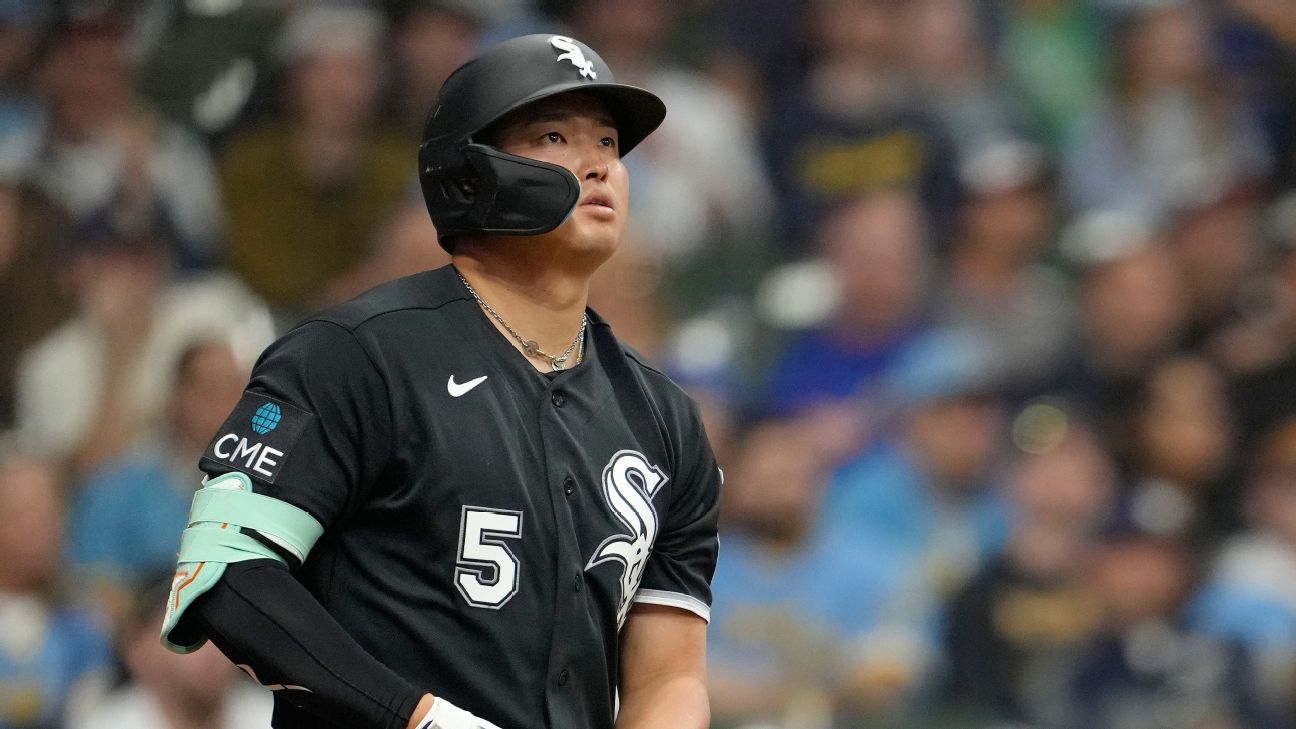
There’s no question who the biggest addition to the lineup is.
Munetaka Murakami arrives with expectations, power, and plenty of intrigue. But the White Sox are taking a measured approach with him early.
Batting sixth on Opening Day wasn’t accidental.
It reflects a desire to let Murakami adjust without the immediate pressure of carrying the offense. Transitioning to MLB pitching is never simple, and the team appears committed to giving him space to find his rhythm.
If he produces, he’ll move up quickly.
But for now, the priority is comfort over pressure.
Chase Meidroth still has the team’s trust

Few players generated as much debate this spring as Chase Meidroth.
With a rising prospect pushing for playing time, speculation grew about whether his role might be in jeopardy. The Opening Day lineup provided a clear answer.
Meidroth led off.
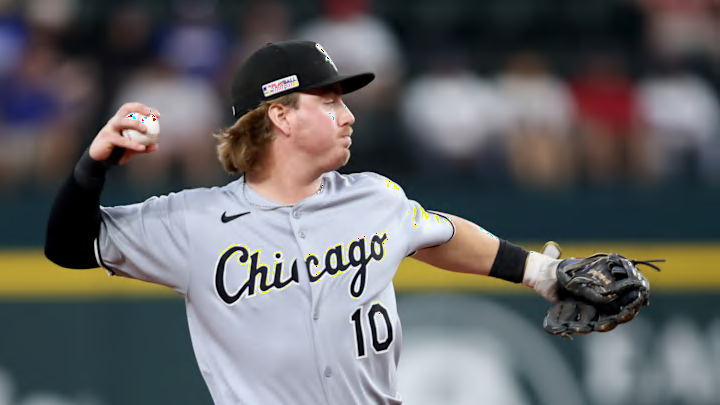
That decision reinforces the team’s belief in his skill set. He brings a disciplined approach at the plate and reliable defense—traits that fit well at the top of the order.
There’s still pressure.
He’ll need to continue developing, especially with competition looming behind him. But for now, the White Sox are showing patience rather than urgency to make a change.
A lineup that reflects patience and projection
Taken together, these decisions reveal a broader philosophy.
The White Sox aren’t rushing their young players. They’re giving opportunities, managing expectations, and allowing roles to develop naturally rather than forcing immediate results.
It’s a long season, and adjustments will come.
But based on Opening Day, Chicago’s message is clear—they’re building something, and they’re willing to let it grow.
Leave a Reply