The Chicago White Sox didn’t make the splashiest move of the offseason — but they may have made one of the smartest.
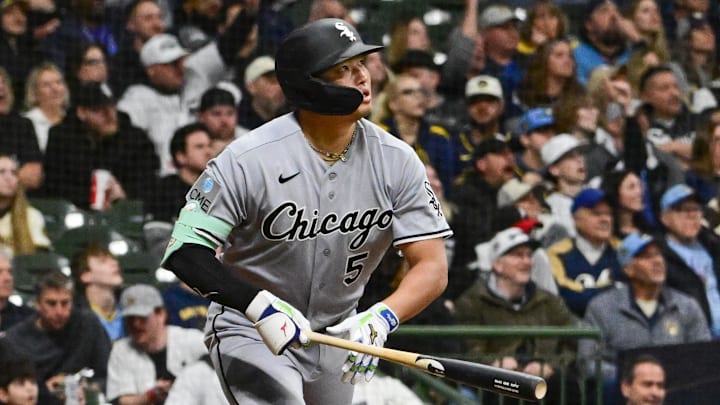
Mar 28, 2026; Milwaukee, Wisconsin, USA; Chicago White Sox first baseman Munetaka Murakami (5) watches after hitting a solo home run against the Milwaukee Brewers in the fourth inning at American Family Field. Mandatory Credit: Benny Sieu-Imagn Images | Benny Sieu-Imagn Images
When they signed Munetaka Murakami to a modest two-year deal, the reaction around baseball was cautious. Questions about how his power would translate from Japan to Major League pitching kept his market surprisingly quiet, even with multiple teams — including the Boston Red Sox — showing interest.
Just one series into the season, those doubts are already being challenged.
Murakami has wasted no time announcing his arrival.
In his MLB debut, he showed patience first, drawing two walks before delivering his first big league hit — a home run to right field. It didn’t stop there. The following day, he repeated the formula: another walk early, followed by another home run.
By Sunday, it had become something bigger.
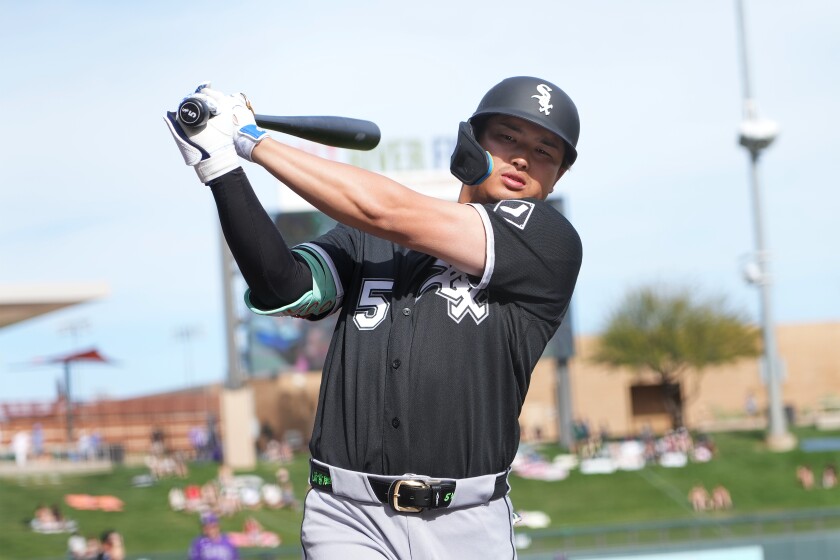
Murakami launched his third home run in as many games, becoming the first player in White Sox history to homer in each of his first three career appearances. In the process, he also showed a disciplined approach at the plate, continuing to draw walks and control at-bats like a veteran.
Through his first series, the numbers tell the story.
He went 3-for-9 with three home runs and four walks, flashing both elite power and a mature understanding of the strike zone. Aside from one late at-bat against a closer, he looked comfortable — even dangerous — against major league pitching.
For the White Sox, it’s an early but significant validation.
They took a calculated gamble on a player whose résumé in Japan was undeniable but whose MLB projection came with risk. So far, that risk looks minimal compared to the upside.
For the Red Sox, the early returns may sting.
Boston ultimately pivoted away from Murakami and instead acquired Willson Contreras in a trade, giving up minor league talent in the process. While it’s far too soon to draw long-term conclusions, the contrast is noticeable — especially with Contreras off to a quiet start at the plate.
And that’s where the decision becomes more interesting.
Chicago invested money. Boston spent prospects.

If Murakami continues on this trajectory — or even settles in as a consistent middle-of-the-order bat — the value gap between those two paths could grow quickly.
Of course, it’s still early.
Murakami will face adjustments, and pitchers will begin to attack his weaknesses. Every rookie goes through that phase. But what he’s already shown — power, patience, and poise — suggests he’s equipped to respond.
For now, though, one thing is clear.

The White Sox may have landed one of the most impactful bats of the offseason at a fraction of the expected cost. And if this is just the beginning, the rest of the league — especially Boston — will be watching closely as that decision continues to unfold.
Leave a Reply