Opening Day has arrived, and with it, the White Sox have revealed the roster that will define the start of their 2026 season.
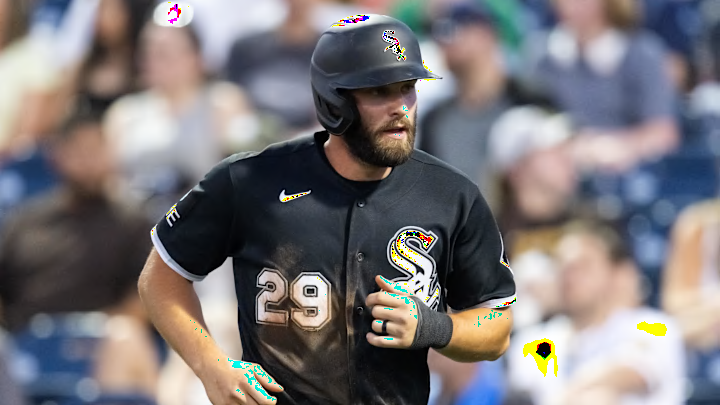
Mar 19, 2026; Peoria, Arizona, USA; Chicago White Sox outfielder Tristan Peters against the San Diego Padres during a spring training game at Peoria Sports Complex. Mandatory Credit: Mark J. Rebilas-Imagn Images | Mark J. Rebilas-Imagn Images
As Chicago heads to Milwaukee, the optimism of spring training gives way to real decisions — and a few of them raised eyebrows.
This isn’t just a finalized roster. It’s a snapshot of a team leaning into youth, flexibility, and a willingness to make difficult calls.
Catcher: A Sudden Shift

Behind the plate, the White Sox made a late and decisive move.
Edgar Quero will take on the primary role to begin the season, with veteran Reese McGuire brought in just days before Opening Day to provide experience and stability. That addition came at a cost, as Korey Lee was designated for assignment after the team failed to find a trade partner.
There is help on the way.
Kyle Teel is expected back in the coming weeks from a hamstring injury, which could further reshape the position. For now, though, Quero gets the opportunity to establish himself early.
Infield: Stability Up Front, Questions Behind

The starting infield has long felt set, anchored by Colson Montgomery, Miguel Vargas, and Munetaka Murakami.
The intrigue lies in the depth.
Lenyn Sosa remains with the team after trade talks failed to materialize, while Curtis Mead — despite a strong spring — was designated for assignment. That decision underscores the tight roster squeeze Chicago faced.
Versatility will be key here.
Luisangel Acuña is expected to move around the diamond as needed, while prospect Sam Antonacci waits in Triple-A as a likely next option if injuries arise.
Outfield: The Biggest Surprise
This is where things took a turn.
With playing time up for grabs, the White Sox entered camp with an open competition behind veterans Andrew Benintendi and Austin Hays. Several young players pushed for roles — but not all made the cut.
Everson Pereira earned his spot, validating the buzz surrounding his spring performance. Meanwhile, the team chose defensive reliability over upside by keeping Derek Hill instead of rolling the dice on Jarred Kelenic.
The final twist came with Tristan Peters.
With Brooks Baldwin starting the season on the injured list, Chicago needed another left-handed option. Peters seized that opportunity, carrying a strong spring into a roster spot. His performance — including an impressive .847 OPS — and roster flexibility made him a logical, if unexpected, addition.
It’s a decision that highlights the organization’s preference for production and adaptability over pedigree.
Rotation: Clear Roles, High Expectations
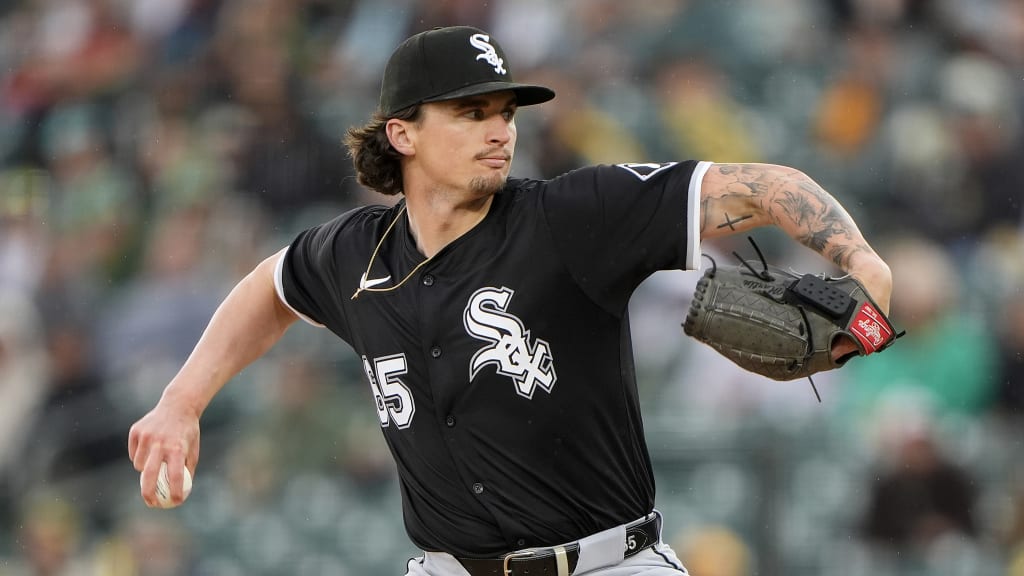
The starting rotation holds few surprises but plenty of importance.
Shane Smith will take the ball on Opening Day, followed by Sean Burke and Anthony Kay in the opening series. Davis Martin and Erick Fedde round out the group as the team prepares for its first road stretch beyond Milwaukee.
There’s also an eye on the future.
Top pitching prospects remain close to the majors, and it wouldn’t be surprising to see reinforcements arrive sooner rather than later if needed.
Bullpen: Opportunity Through Adversity
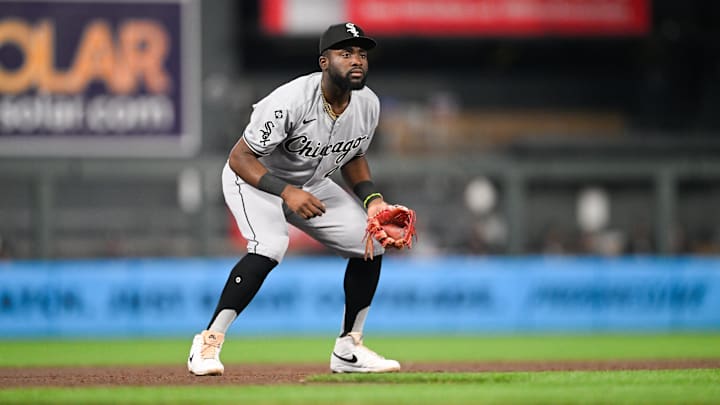
The bullpen picture shifted dramatically after a key injury.
Mike Vasil’s season-ending elbow injury left a significant void, but it also created an opportunity. Rule 5 pick Jedixson Páez capitalized, earning a spot despite limited experience above High-A.
Chicago will rely on a mix of power arms and multi-inning options, with Seranthony Domínguez anchoring the late innings. Grant Taylor and Jordan Hicks add velocity, while left-handers like Sean Newcomb and Chris Murphy provide balance.
It’s a group that looks more structured — and potentially more reliable — than last year’s unit.
A Team Defining Its Identity
This roster tells a clear story.
The White Sox are not playing it safe.
They’ve chosen upside over familiarity, youth over reputation, and flexibility over certainty. Some decisions — especially in the outfield — will be debated, particularly when players left off the roster begin their seasons elsewhere.
But that’s part of the gamble.
Chicago is building something, not just managing the present. And while that approach comes with risk, it also creates the possibility for unexpected breakthroughs.
Now, the evaluation begins.
Because once Opening Day arrives, projections fade — and only results remain.
Leave a Reply