For a moment, it looked like the Chicago White Sox were finally going to get off the board in 2026.

Mar 29, 2026; Milwaukee, Wisconsin, USA; Chicago White Sox shortstop Colson Montgomery (12) celebrates in the dugout after hitting a grand slam home run against the Milwaukee Brewers in the first inning at American Family Field. Mandatory Credit: Benny Sieu-Imagn Images | Benny Sieu-Imagn Images
They had the offense, the momentum, and a comfortable lead late. Then one inning erased all of it.
Christian Yelich’s late-game heroics flipped a winnable game into a 9-7 loss, dropping Chicago to 0-3 on the season. But while the result felt frustratingly familiar, the full picture tells a more nuanced story.
There were real signs of progress—alongside one glaring issue that can’t be ignored.
Colson Montgomery Delivers a Breakthrough Performance
If there was a defining positive from Sunday, it was Colson Montgomery’s emergence.
After a quiet start to the season, the young infielder stepped into the cleanup spot and made an immediate impact. With the bases loaded early, Montgomery didn’t wait around—he crushed the first pitch he saw for a 405-foot grand slam, his first home run of the year.
That swing changed the tone of the game—and maybe his role in the lineup.
He wasn’t done.
An inning later, Montgomery came through again with an RBI single up the middle, adding to Chicago’s early lead. He also showed patience at the plate, working a walk in a later at-bat, and flashed defensive ability with a smooth play at shortstop to end the seventh inning.
All told, Montgomery was responsible for five of the team’s seven runs—a breakout performance that hinted at the player the White Sox believe he can become.
The Offense Finally Wakes Up
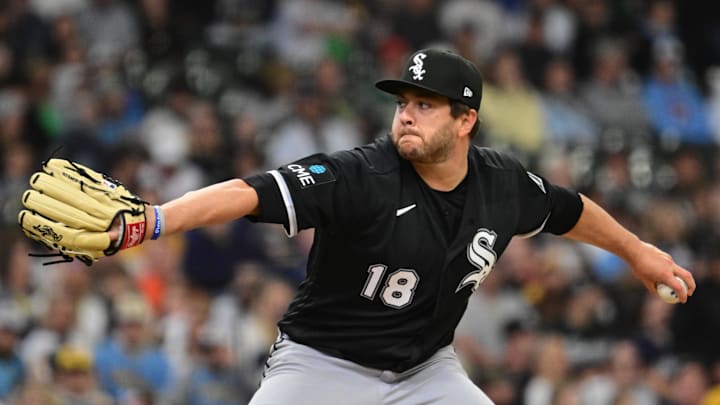
Mar 29, 2026; Milwaukee, Wisconsin, USA; Chicago White Sox starting pitcher Anthony Kay (18) throws a pitch in the first inning against the Milwaukee Brewers at American Family Field. Mandatory Credit: Benny Sieu-Imagn Images | Benny Sieu-Imagn Images
After managing just three runs across their first two games, the White Sox lineup showed much-needed life.
Chicago collected nine hits, including three home runs, and consistently put pressure on Milwaukee’s pitching staff. Multiple players contributed, including Everson Pereira, who delivered a strong performance with a towering homer and an additional base hit.
For a team built around young, athletic talent, this was an encouraging step forward.
The potential is clearly there.
But consistency remains the key. Avoiding the kind of excessive strikeouts seen on Opening Day will be critical if this lineup wants to turn flashes of offense into sustained production.
Anthony Kay Provides Stability on the Mound

While the bullpen ultimately unraveled, Anthony Kay gave the White Sox exactly what they needed early.
The offseason addition looked composed against a dangerous Brewers lineup, allowing just two earned runs over his outing. Both runs came early on a Gary Sánchez home run, but Kay settled in afterward and limited further damage.
His command wasn’t perfect—he issued four walks—but compared to the rest of the pitching staff, he offered a sense of control and reliability.
For a rotation still searching for consistency, that matters.
The Bullpen Remains a Serious Concern

And then there’s the problem that overshadowed everything else.
The bullpen.
Through three games, Chicago’s relievers have been responsible for 19 of the team’s 29 runs allowed. What was expected to be a strength has quickly become a liability.
Sunday was the clearest example yet.
After entering the eighth inning with a lead, the bullpen couldn’t hold it. Chris Murphy allowed key runs, and even closer Seranthony Domínguez—one of the most reliable arms in baseball last season—was unable to stop the damage.
With two outs and a chance to escape, Domínguez gave up a game-tying hit before Yelich delivered the decisive blow—a three-run homer that stunned the White Sox and completed the comeback.
It was a collapse that felt all too familiar.
Yes, it’s early. Roles are still being defined, and adjustments will come. But for a team trying to take a step forward this season, these late-game breakdowns are more than just growing pains.
They’re the difference between competing—and falling behind.
Because if Sunday proved anything, it’s this:
The White Sox may finally be finding their offense.
But until they can trust their bullpen, no lead is safe.
Leave a Reply