Every offseason brings change—even for a team built to contend.
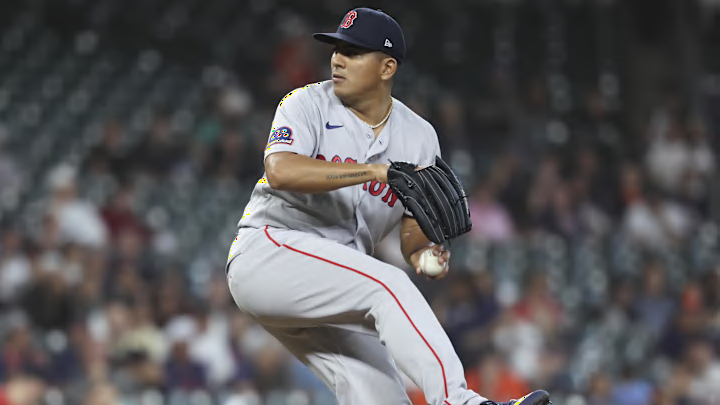
Mar 30, 2026; Houston, Texas, USA; Boston Red Sox starting pitcher Ranger Suarez (55) delivers a pitch during the first inning against the Houston Astros at Daikin Park. Mandatory Credit: Troy Taormina-Imagn Images | Troy Taormina-Imagn Images
The Philadelphia Phillies didn’t undergo a dramatic overhaul heading into 2026, but a handful of departures are already telling two very different stories. Some exits have left noticeable gaps. Others? Not so much.
And as the new season unfolds, those differences are becoming clearer.
There are two players, in particular, whose absence still lingers.
Ranger Suárez is one of them.
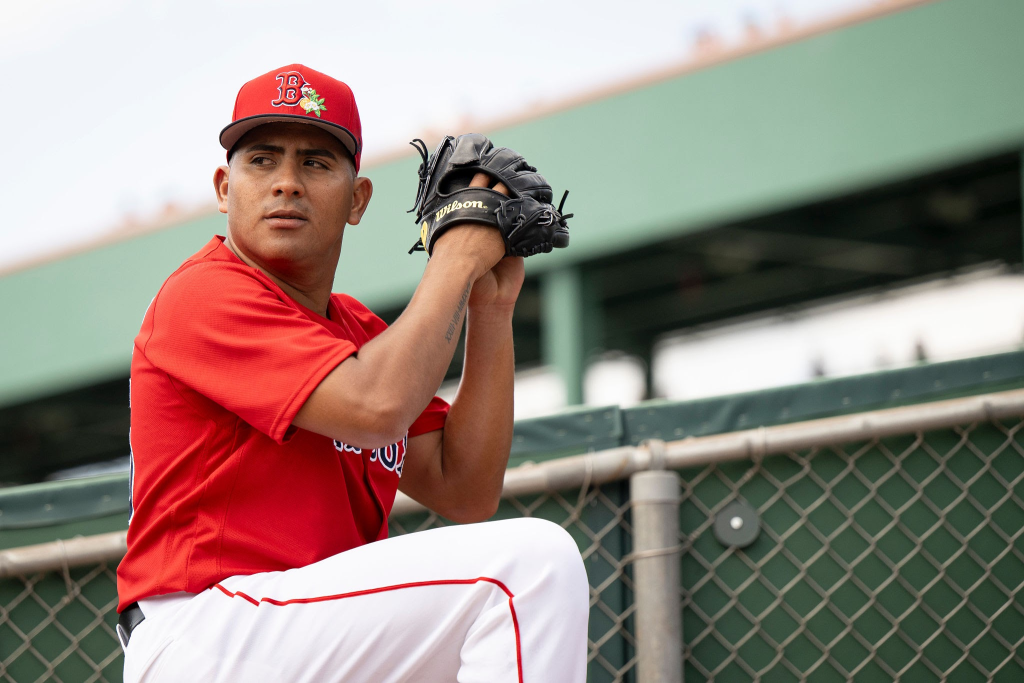
While his debut with Boston didn’t make headlines for the right reasons, his overall body of work speaks for itself. Suárez has consistently been a dependable presence in a rotation, capable of handling meaningful innings and stabilizing games when needed.
His departure creates opportunity—most notably for young arms like Andrew Painter—but it also removes a layer of security. For a rotation that can be inconsistent at times, having a proven left-hander like Suárez would still carry value.
Especially when depth becomes an issue.
Matt Strahm falls into a similar category.
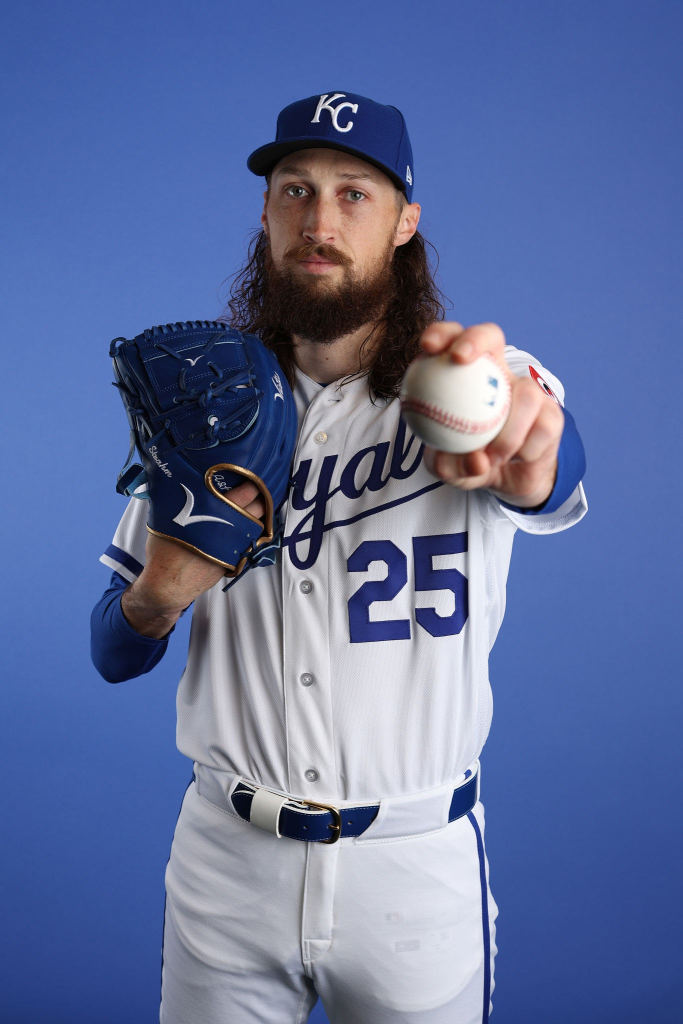
Reliable bullpen arms are hard to find, and even harder to replace. Strahm brought consistency, swing-and-miss ability, and experience in high-leverage spots. While the Phillies still have left-handed options in the bullpen, replacing that level of dependability isn’t guaranteed.
It’s the kind of loss that may not be obvious right away—but tends to surface over time.
On the other side of the equation, there are players Philadelphia has moved on from without much regret.
Harrison Bader is one example.
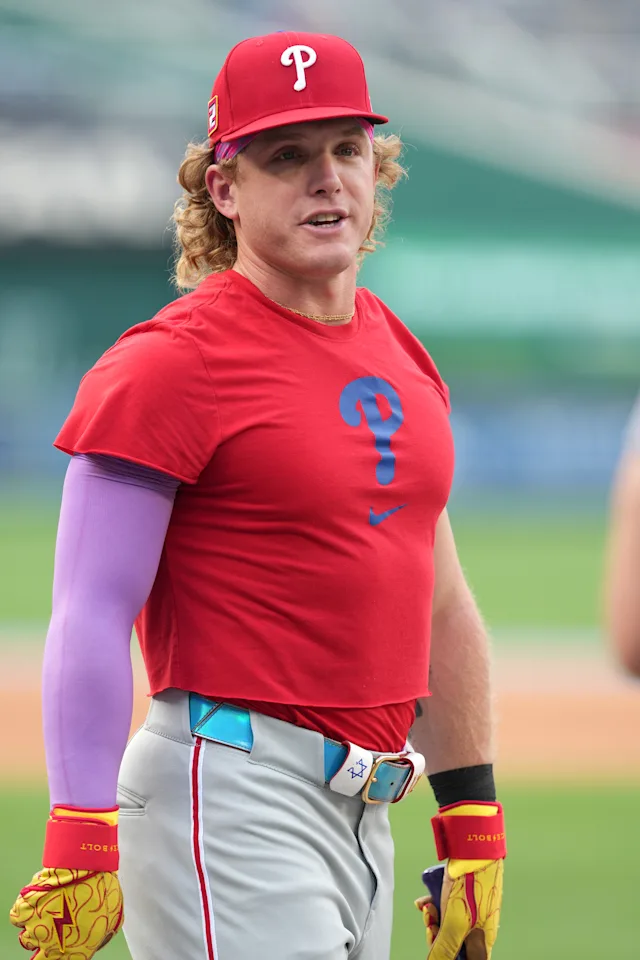
His production during his time with the Phillies was solid on the surface, but the underlying numbers suggested regression was likely. Instead of betting on sustainability, the Phillies opted for a different direction—one that brings more speed and long-term upside.
Enter Justin Crawford.
Younger, more dynamic, and capable of changing games with his athleticism, Crawford offers something the roster didn’t fully have before. In that context, letting Bader walk looks less like a loss and more like a transition.
Jordan Romano tells a different story.
Once viewed as a potential bullpen weapon, injuries have taken their toll. While he’s attempting to rediscover his form elsewhere, the Phillies made the decision to move forward rather than wait for a return that may never come.
Given the early signs, that decision appears justified.
Then there’s Nick Castellanos.
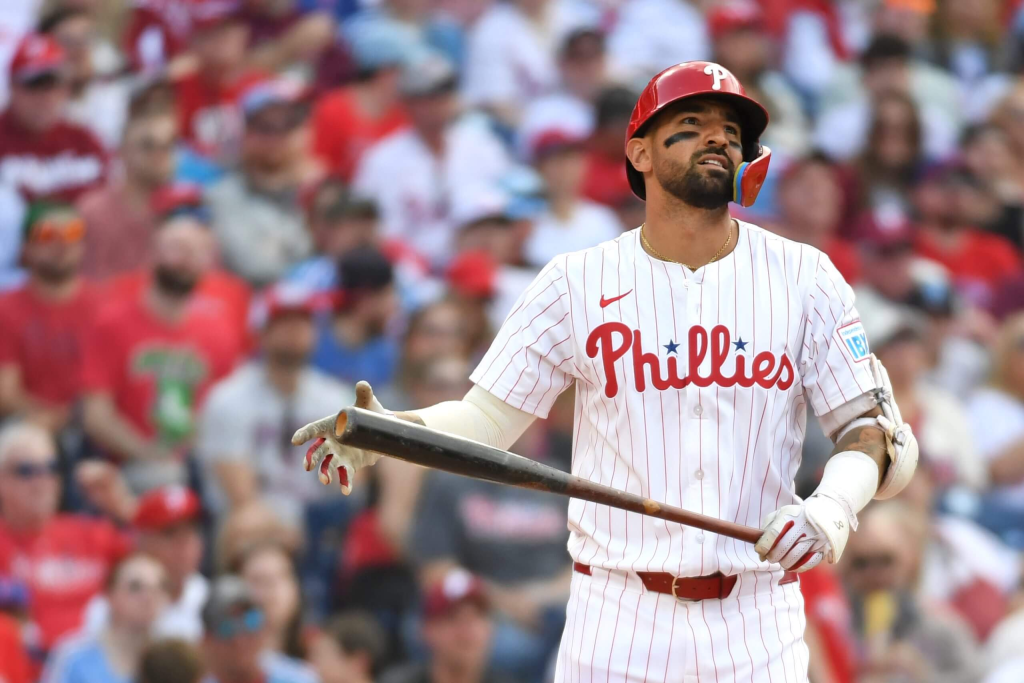
This one feels more definitive.
Moving on from Castellanos wasn’t just about clearing space—it was about improving the overall balance of the roster. His replacement, Adolis García, brings a similar offensive ceiling with a significantly stronger defensive presence.
Even if the offensive production ends up comparable, the defensive upgrade alone shifts the equation in Philadelphia’s favor.
Sometimes subtraction really is addition.
Taken together, these moves highlight a broader theme.
The Phillies didn’t just lose players—they reshaped their identity in subtle ways. They held onto their core while making targeted decisions about who fits moving forward and who doesn’t.
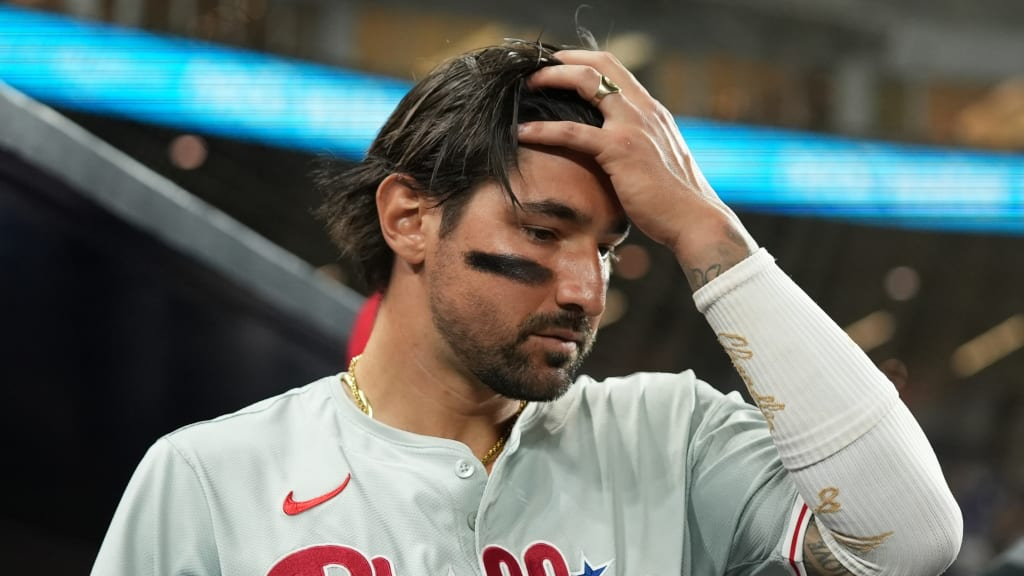
Some departures will be felt.
Others already look like the right call.
And as the season continues, those choices will play a larger role in determining whether Philadelphia remains in the contender conversation—or takes a step back.
Because in a long season, it’s not just about who you keep.
It’s about who you let go.
Leave a Reply