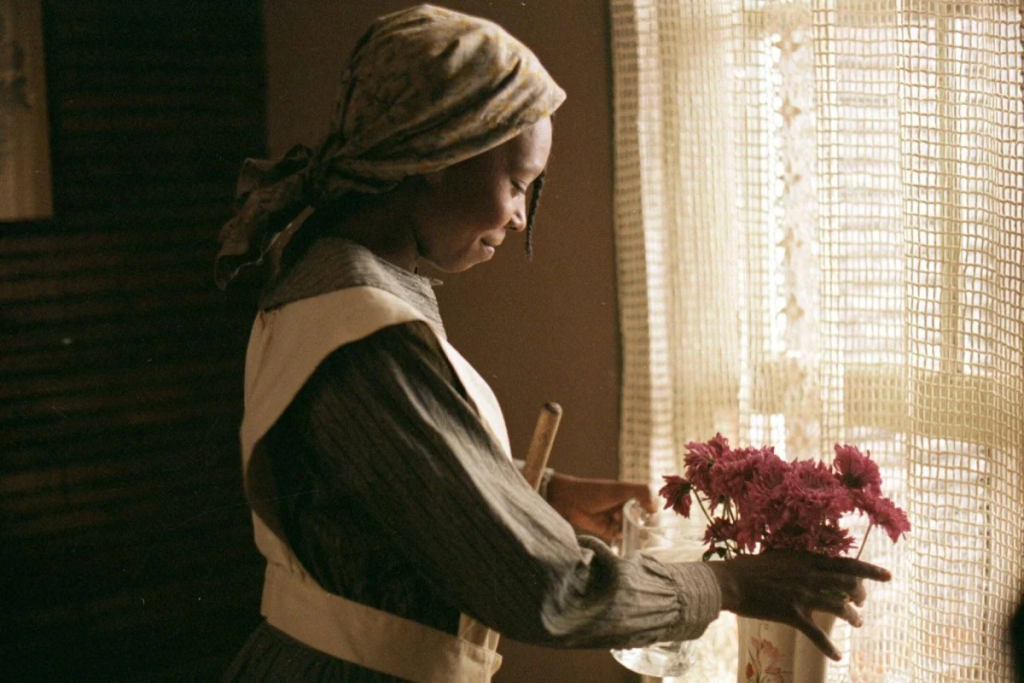
From the Vault: Revisiting The Color Purple (1985) – Spielberg’s Bold Step Into New Territory
This month marks the 40th anniversary of one of cinema’s most powerful and poignant stories, The Color Purple (1985), a film that not only captivated audiences worldwide but also broke barriers in Hollywood. As part of our ongoing From the Vault feature series, we take a deep dive into the behind-the-scenes story of this cinematic masterpiece, and how it nearly didn’t come to be, at least not the way we know it today.
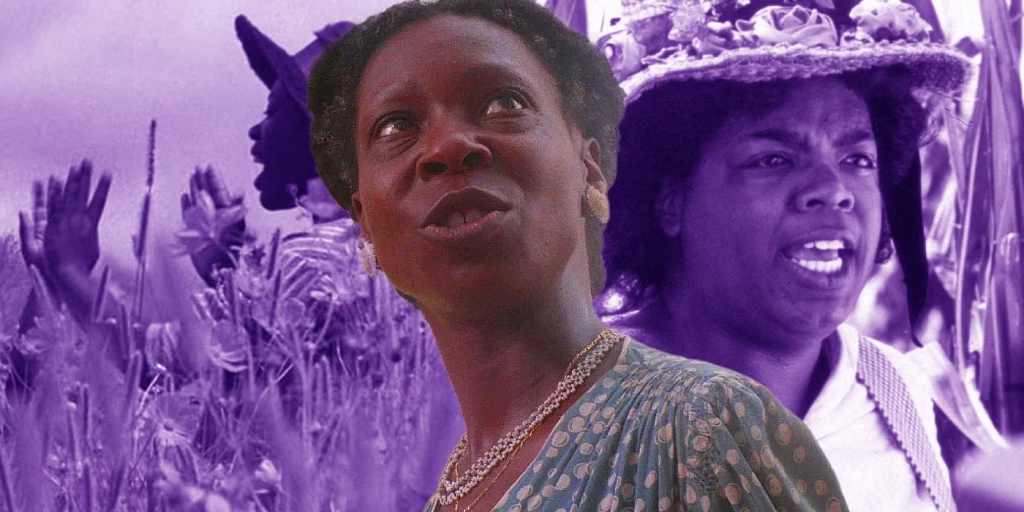
When The Color Purple was announced, many believed Steven Spielberg, the man behind Jaws (1975) and E.T. (1982), was an odd choice to direct a drama about the struggles of African-American women in the early 20th century. Spielberg’s name was synonymous with thrilling blockbusters, not deeply emotional explorations of race, gender, and oppression. In fact, even Spielberg himself seemed to share some of those doubts.

In private conversations with producer Quincy Jones, Spielberg expressed uncertainty about his role in telling this deeply personal and culturally significant story. “You need a black director for this,” Spielberg reportedly told Jones. His concern stemmed from the fact that the subject matter, rooted in the lived experience of African-Americans, was far removed from his own upbringing. To Spielberg, this was territory he feared he might not fully understand, let alone do justice to.
Jones, however, was determined. He famously responded with a line that would later become a piece of Hollywood lore: “Did you have to be an alien to direct E.T.?” It was a response that cut to the heart of the issue – Spielberg’s skill as a filmmaker was not inextricably linked to his race. What mattered was his ability to tell a story with empathy, passion, and sincerity. With this encouragement, Spielberg took on the challenge, and history was made.
Spielberg’s Humble Approach: A Financial Gamble
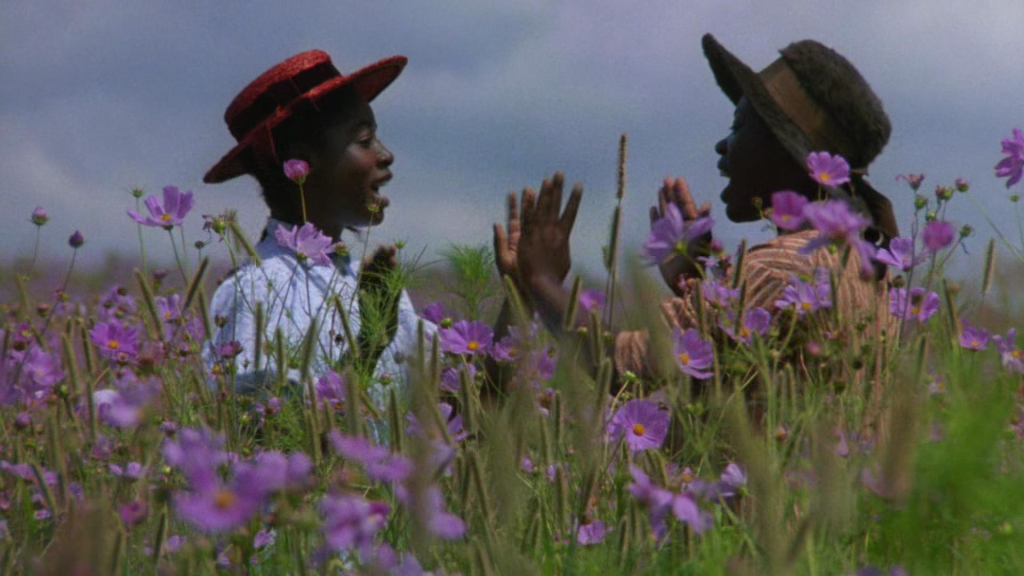
True to his character, Spielberg approached The Color Purple with humility and a sense of responsibility. The film’s budget was modest by Hollywood standards, with the total production cost amounting to just $15 million. In a rare move, Spielberg waived his usual hefty salary – a staggering $15 million for a blockbuster director – and agreed to work for the minimum fee stipulated by the Directors Guild of America (DGA) of just $40,000. His decision to forgo a large payday underscored his commitment to the story rather than the money.
But the financial sacrifice wasn’t the only unorthodox aspect of Spielberg’s approach. The casting of the film also defied conventional wisdom. Instead of bringing in established stars, Spielberg cast unknown actors in the lead roles, most notably Whoopi Goldberg, who was virtually unknown at the time. Her portrayal of Celie, a young woman subjected to unimaginable abuse, would go on to become one of the most iconic performances in cinema history.
Alice Walker’s Crucial Role in the Screenplay
At the heart of The Color Purple is Alice Walker’s 1982 Pulitzer Prize-winning novel, which tells the story of Celie, an African-American woman in the deep South struggling to find her voice in the face of systemic violence and patriarchy. The novel was lauded for its raw, unflinching portrayal of race and gender, and Spielberg knew it was a story that needed to be told with the utmost respect.
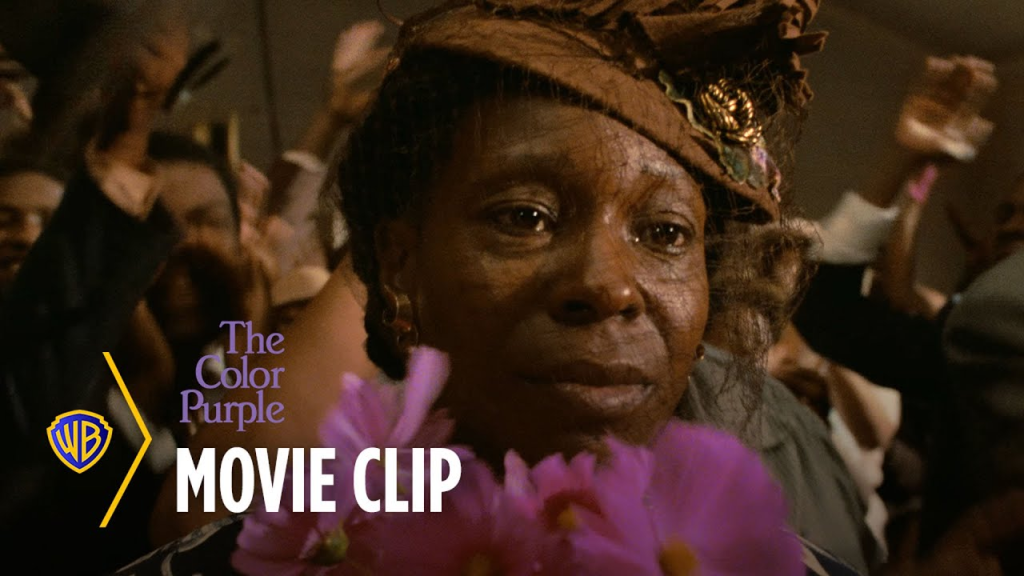
Walker, whose novel was the source material, played a crucial role in the film’s adaptation. While Dutch writer Menno Meyjes was hired to revise the screenplay, Walker’s involvement was unwavering throughout the process. Her deep understanding of the material and her intimate connection to the characters proved invaluable. She worked closely with the cast, ensuring that the Southern dialects were authentic and true to the characters’ voices. The collaboration between Spielberg and Walker became a pivotal part of the film’s success, as it balanced artistic integrity with the need for emotional authenticity.
The Cultural Impact: A Masterpiece
When The Color Purple premiered in 1985, it was met with critical acclaim and earned an impressive eleven Academy Award nominations, including Best Picture, Best Director for Spielberg, and Best Actress for Whoopi Goldberg. Though the film didn’t walk away with a Best Picture win – that honor went to Out of Africa – The Color Purple forever etched itself into the annals of cinema history as a groundbreaking exploration of race, gender, and resilience.
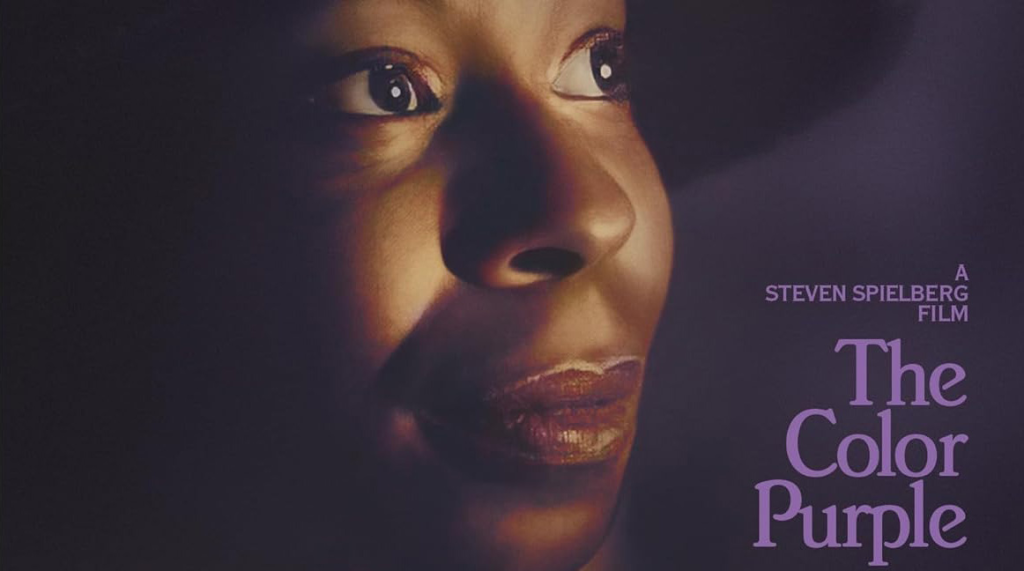
The film’s themes resonate even more today, as conversations about racial and gender equality continue to dominate the cultural landscape. The Color Purple remains an essential touchstone in American film history, not just for its artistic achievements, but for the way it sparked necessary dialogues about the African-American experience and the power of storytelling.
In the years following its release, the film would inspire stage adaptations, including a Broadway musical, further solidifying its cultural legacy. The performances, especially that of Goldberg, became iconic, with her portrayal of Celie earning her not just critical praise, but a place in the hearts of millions of viewers.
Conclusion: A Bold Leap of Faith
Looking back, it’s hard to imagine anyone else directing The Color Purple besides Spielberg. Despite the initial doubts, he brought the film to life with a passion and depth that made it resonate with audiences worldwide. What started as a leap of faith – for Spielberg, for Walker, and for the entire cast and crew – ended up being a film that continues to inspire, educate, and challenge. Forty years later, The Color Purple still stands as a testament to the power of cinema to change hearts and minds, and to illuminate stories that need to be told. Spielberg’s decision to take on such a monumental project, despite his initial reservations, remains one of the most iconic moments in the history of film.
Leave a Reply