The Pentagon is in full-blown damage-control mode again — and this time the storm has a name: Pete Hegseth. What started as a whisper about reckless messaging has now hardened into something much darker: congressional outrage, a damning Inspector General probe, and fresh allegations of a deadly “double-tap” strike that critics say could cross the line into a war crime.
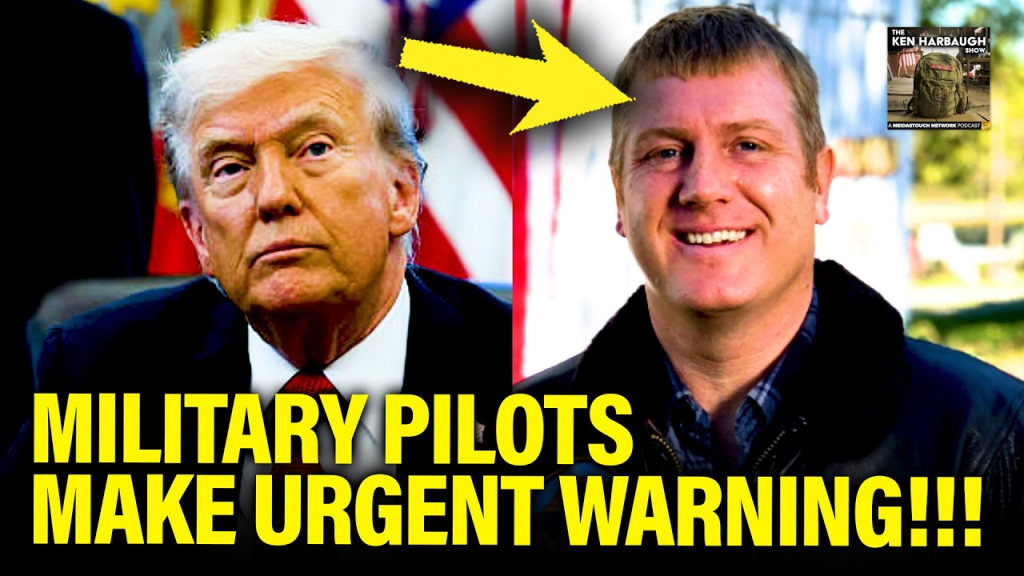
In the last several days, calls for Hegseth to resign have gone from a fringe demand to a loud, organized push on Capitol Hill. Democrats say the Secretary of Defense isn’t just making embarrassing mistakes — he’s putting American troops and the country’s credibility at risk.
At the center of the first scandal is “Signalgate.” The Defense Department Inspector General has completed its investigation into Hegseth’s use of the encrypted Signal app to discuss sensitive military matters, and lawmakers have now been briefed on classified findings. Even Republican leaders who usually keep drama at arm’s length have hinted the material looked so sensitive it should’ve been handled as classified from the start.
That alone would be combustible. But it’s not the only fire burning.
A second, far more alarming controversy is exploding around a U.S. strike on an alleged Venezuelan drug-smuggling boat on September 2. According to reporting cited by multiple outlets, people who viewed the strike footage say survivors climbed onto the overturned hull and waved upward — gestures interpreted as surrender or pleas for rescue — before a second strike hit.
That detail matters. International law is crystal clear about attacking people who are hors de combat — unable to fight, attempting to surrender, or in the water after a strike. If the accounts of that video are accurate, the second hit wasn’t just brutal optics. It could be illegal.
Hegseth’s public story hasn’t helped. He originally suggested the operation was clean and controlled, then pivoted to blaming “fog of war,” a phrase critics say sounds less like explanation and more like a pre-packaged escape hatch. The Pentagon has refused to release the full video, which only fuels suspicion that what’s on it would horrify the public if seen.
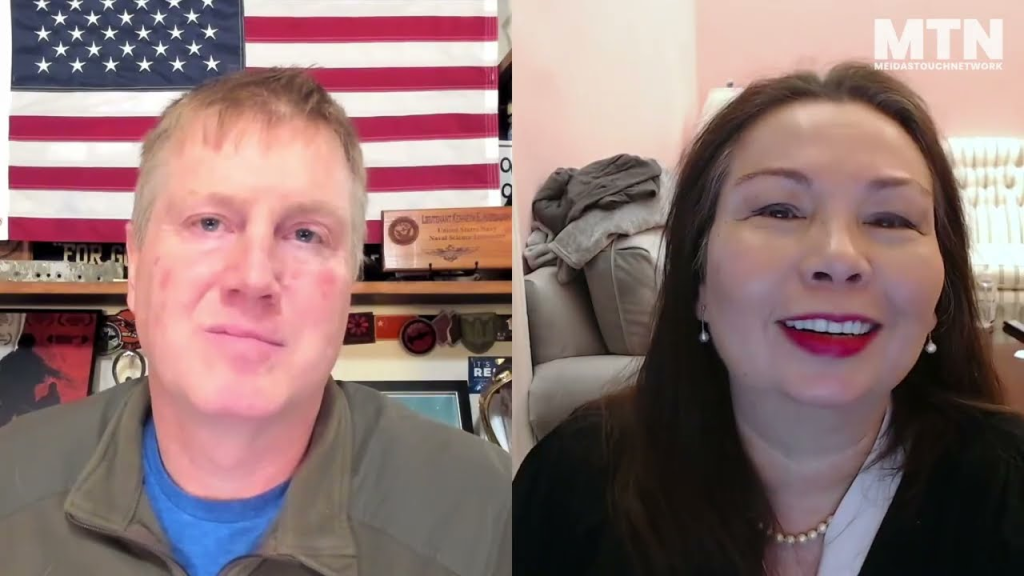
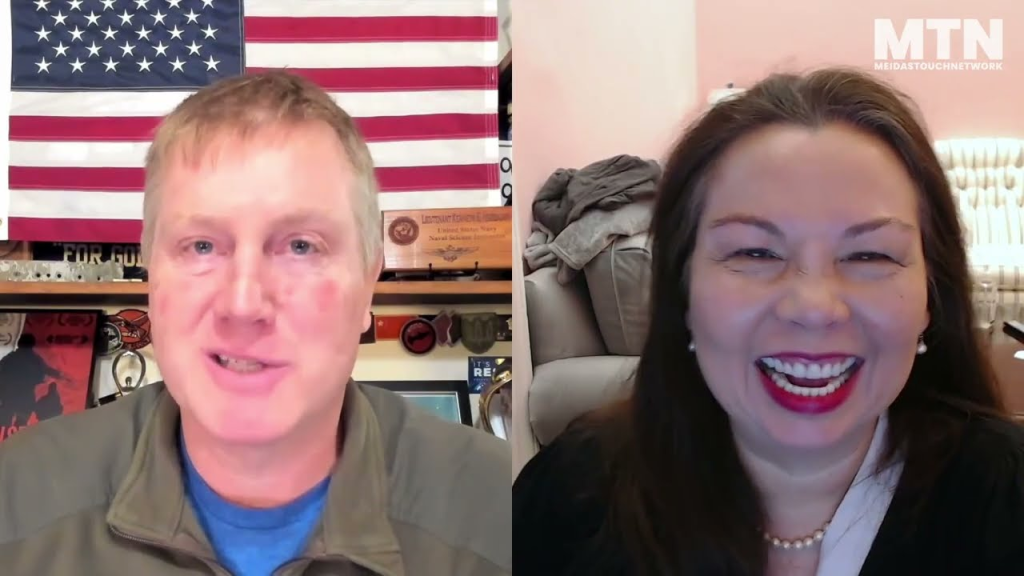
Veterans in Congress are reacting with fury. Senator Tammy Duckworth — a combat pilot, Purple Heart recipient, and one of the loudest voices warning against Hegseth’s confirmation — says this is exactly what she feared: a leader who treats war like a stunt and soldiers like disposable pieces. She argues the bigger danger isn’t just one strike, but the precedent it sets for how America fights and how enemies may treat U.S. troops in return.
Behind the scenes, the fallout is spreading through the ranks. Military aviators and frontline operators are reportedly shaken by the idea that they’re being sent into missions with questionable legal footing — and then left exposed when commanders scramble for cover. Morale, especially in high-risk commands, is said to be collapsing under the weight of uncertainty and distrust.
And that brings us to the word that keeps surfacing in these conversations: accountability. One of the oldest rules in the military is that you can delegate authority, but never responsibility. Critics say Hegseth is doing the opposite — pushing risk downward while insulating himself upward.
Democrats are now pressing for formal hearings into both the Signal breach and the Venezuela strike. Even some Republicans are demanding briefings, a sign that the political shield around Hegseth may be thinning.
The real question isn’t whether this is a bad week for the Pentagon. It’s whether the country can tolerate a Defense Secretary who keeps stacking crises like kindling. If the administration keeps betting that outrage will burn out, it might be misreading the moment — because this time, the smoke is coming from multiple directions, and the alarms are getting louder by the hour.
Leave a Reply