Donald Trump is having a very bad day — and he’s not hiding it.
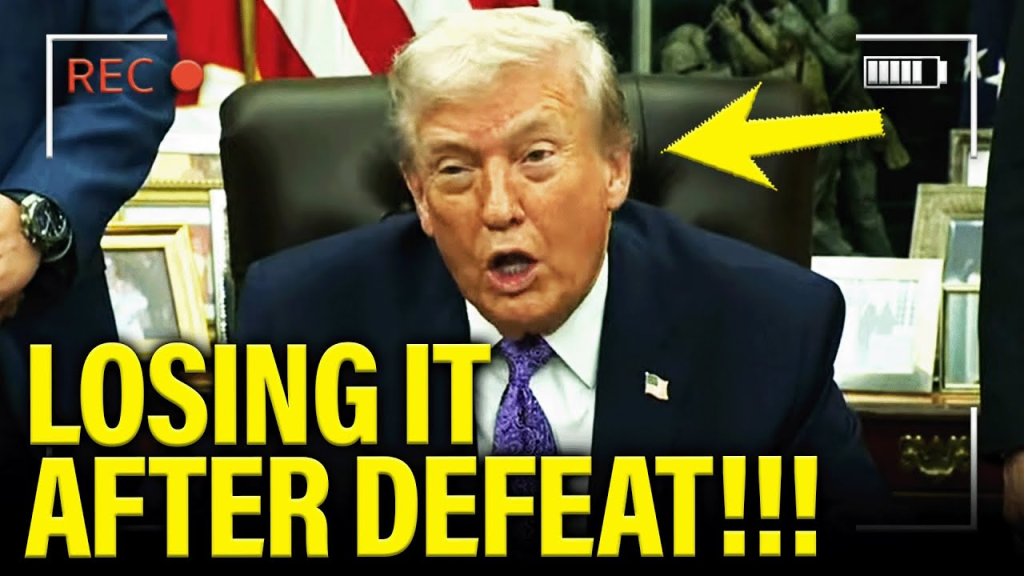
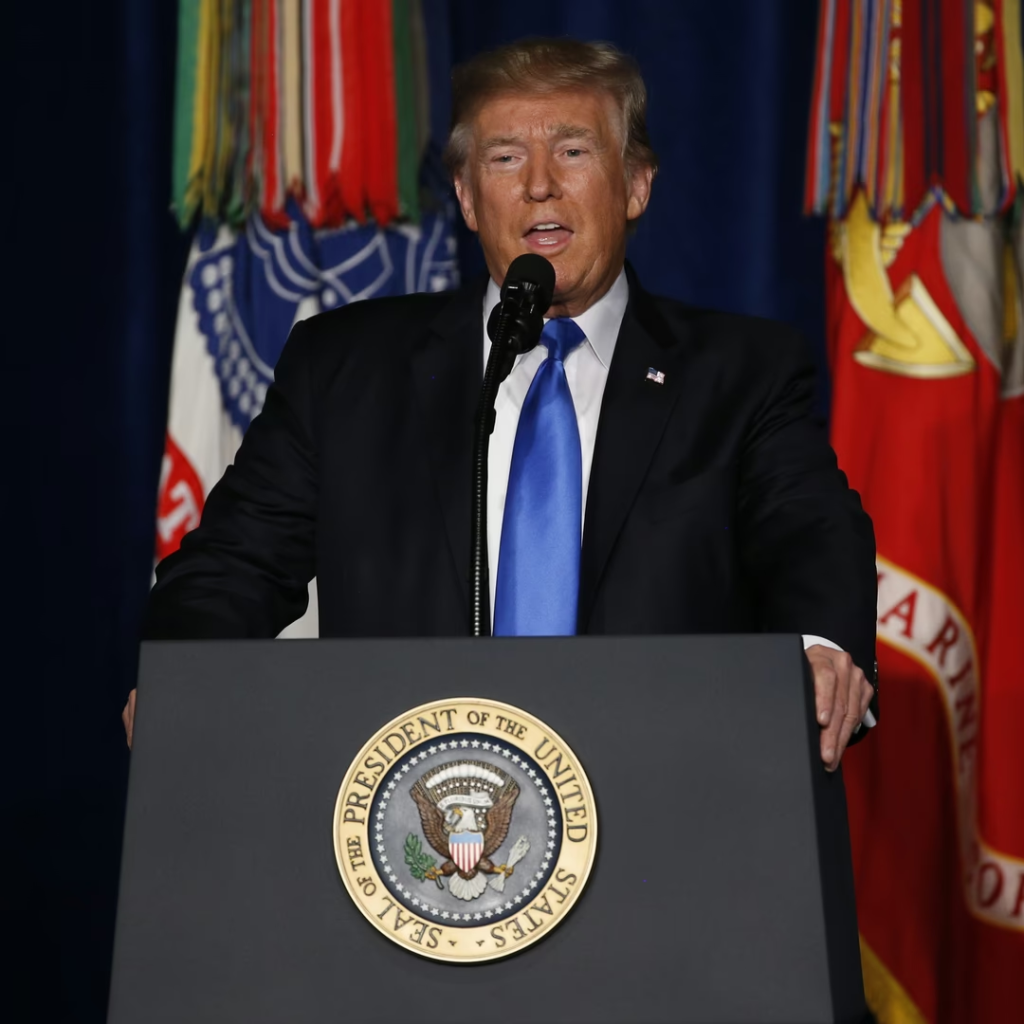
After the Indiana State Senate overwhelmingly rejected a set of congressional maps he backed, Trump staged an Oval Office press conference where he tried to pretend the defeat barely mattered. He claimed he “wasn’t very involved,” brushed it off as “not a big deal,” and insisted he had bigger victories elsewhere.
But the receipts tell a very different story.
For weeks, Trump had been leaning on Indiana Republicans to ram through aggressively redrawn maps that could have handed the GOP up to two extra congressional seats. He blasted out post after post on social media, naming and shaming individual lawmakers, calling Senate leader Rod Bray a “complete and total RINO,” and vowing to endorse primary challengers against anyone who defied him.
In one post, Trump bragged that he was “working with Governor Mike Braun and other Indiana Republicans” to make sure those extra seats were locked in. In another, he threatened to “strongly endorse against” any state senator or representative who refused to go along with his redistricting push. He celebrated when the Indiana House passed the maps and demanded the Senate “must now pass this map as is” and rush it to the governor’s desk for a “gigantic victory.”
This wasn’t a casual side project for Trump. It was a pressure campaign.
And Trump world didn’t just rely on angry posts. The Heritage Foundation’s political arm — now deeply embedded in Trump’s orbit and the same machine behind “Project 2025” — reportedly warned that if Indiana Republicans didn’t pass Trump’s preferred maps, the state could be punished with cuts to federal funding. No money for roads. No relief for disasters. No support for basic infrastructure. In other words: fall in line, or watch your state get squeezed.
Trump even sent surrogates like J.D. Vance and Don Jr. into the fight, turning a state-level redistricting battle into a national loyalty test. One MAGA state senator flat-out admitted on the floor that the maps were political and said, “You’re damn right they are,” treating the entire process like a raw power grab instead of public service.
And yet, Trump lost. Badly.
The Indiana Senate rejected the maps 31–19 — not a nail-biter, a rebuke. Enough Republicans decided that threatening their own state over partisan lines had gone too far. Some of them paid a heavy personal price along the way.
State Senator Greg Walker described the intimidation and death threats he and others received after speaking out. Choking back tears, he talked about holding a baby in his arms the night before the vote and thinking about what kind of future she would inherit if intimidation became “normal” in American politics. He said he couldn’t look his daughter or granddaughter in the eye if he caved to that kind of pressure.
Another Republican senator publicly declared he was a firm “no” on the maps, saying there’s a difference between fiery campaign rhetoric and the responsibility to govern. When you start carving up communities and targeting voters while tossing around slurs, he said, someone has to draw a line.
While these Republicans were trying to hold that line, Trump’s loyalists were still all-in on punishment. Congressman Marlin Stutzman of Indiana suggested that if Trump wanted to retaliate against his own state by withholding funding, that was just “hardball politics.” In his view, you “work with people who work with you” — the clear implication being that states that don’t help Trump shouldn’t expect help in return.
At the same Oval Office press conference, Trump wandered into other topics with the same mix of bravado and distortion. He downplayed the war in Ukraine as something that doesn’t really affect the United States — unless it sparks “World War III” — and then claimed his economy was not only the greatest in history in his first term, but is now “blowing it away” again, despite sky-high inflation on his watch.
He framed his campaign against Venezuela as a response to crime and migration, tossing out an eye-popping — and unsubstantiated — number of “11,888 murderers” supposedly entering the U.S., many from Venezuela. And while his Treasury Secretary, Scott Bessent, touted a new AI strategy as the key to beating China and securing America’s economic future, Trump has been accused of doing the opposite behind the scenes by greenlighting advanced chip technology that critics say could strengthen China’s tech edge.
The bigger picture, as the segment’s hosts pointed out, is that all of these threads — gerrymandering, federal funding threats, climate and energy costs, AI and national security — are colliding in real time. Communities are waking up to how much raw power is being wielded in their name, often without their consent, whether it’s rigged maps, exploding electricity bills fueled by AI data centers, or policy decisions that prioritize partisan advantage over basic governance.
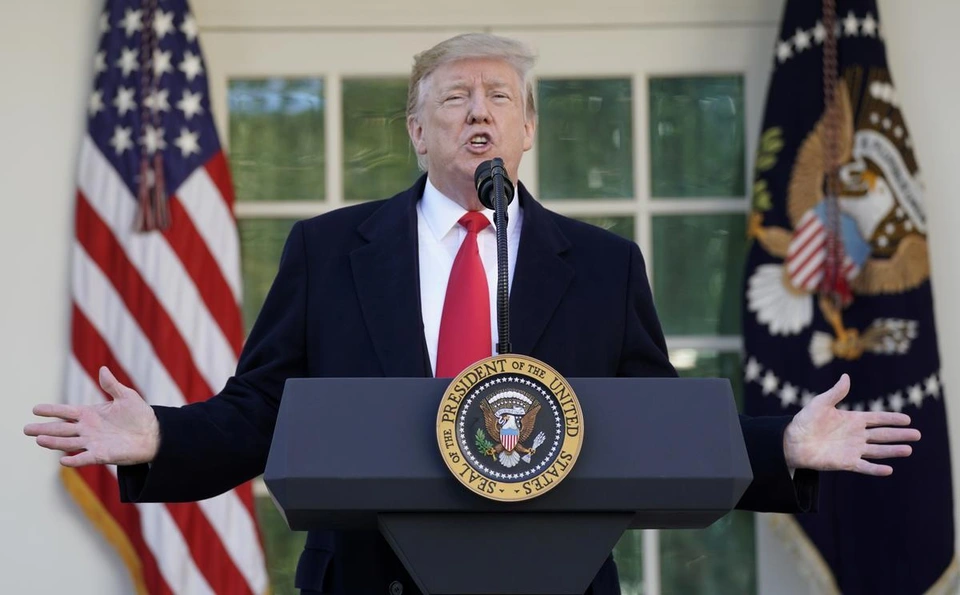
In Indiana, at least for one night, a group of Republican lawmakers chose to say no. They stood up to the threats, ignored the bullying, and refused to let their state be turned into a bargaining chip in Donald Trump’s personal power game.
Trump may have tried to spin it as no big deal. But politically, the message was unmistakable: there are limits — even in deep-red states — to how far some Republicans are willing to go for him. And that, more than anything he said in the Oval Office, is what has him rattled.
Leave a Reply