The fight over America’s biggest media empire just turned into a political thriller. One side is a U.S. streaming giant trying to buy its way into Hollywood royalty. The other is a Trump-friendly power bloc edging closer to control of the studios behind HBO, DC Comics, and CNN—raising alarms that the next takeover could be about far more than entertainment.
According to reports, newly formed Paramount Skydance is preparing a mostly-cash bid to acquire Warner Bros. Discovery (WBD), the parent company of CNN, HBO, and DC Studios. The offer being discussed in the press values WBD around $22–$24 per share, with CEO David Ellison—son of Oracle billionaire Larry Ellison—leading the charge. The deal is still only in the “eyes-on” stage, but it has already triggered a frenzy across Wall Street and Washington, because it would fuse two massive content libraries into one mega-conglomerate.
Michael Popok, speaking on Legal AF / Midas Touch, frames this as the opening act of a hostile takeover drama. In his telling, Netflix’s earlier “friendly” bid (presented as ~$28 per share in his segment) was accepted by a WBD special committee, only for Paramount Skydance to counter with a richer proposal and attempt to go directly to shareholders. That specific Netflix price and acceptance have not been confirmed in mainstream reporting, so treat them as Popok’s claim and analysis rather than settled fact. What is widely reported is the existence of a budding bidding war atmosphere and the seriousness of Skydance’s interest in WBD.
Where Popok’s story turns explosive is the political overlay. He argues that Donald Trump is not a spectator here—he’s a potential kingmaker. Trump has publicly praised Ellison’s leadership and implied he could weigh in on regulatory approvals, feeding fears that the Justice Department’s antitrust arm could be used to tilt the contest. Critics warn that a Paramount-WBD super-merger could concentrate unprecedented control over U.S. viewership and become vulnerable to political pressure, especially under an administration openly hostile to independent media.
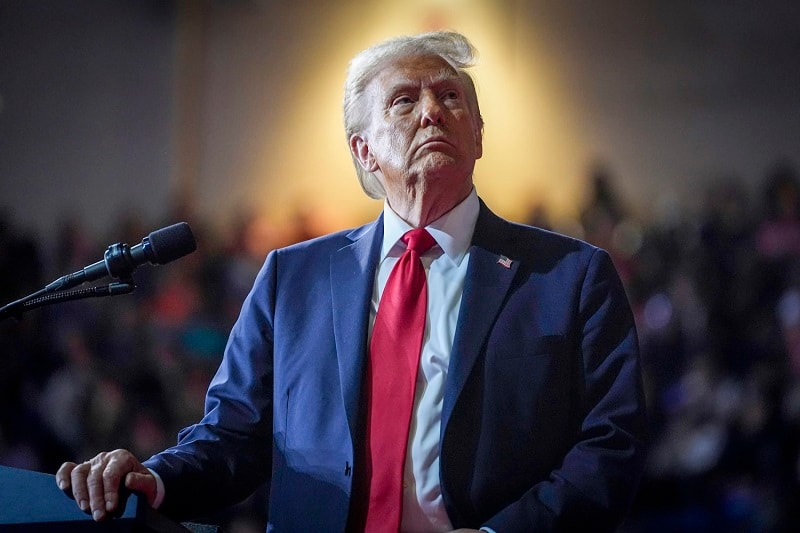
Popok goes further, claiming Kushner-linked money and Gulf sovereign funds are part of the Skydance financing ecosystem. Those funding specifics aren’t established in the public sources above, but the broader concern—foreign capital mixing with U.S. media control in a politically charged era—fits the anxiety already circulating around the merger. In other words: even if every dollar isn’t proven on paper yet, the direction of travel has people spooked.
And the stakes are huge. Netflix wants WBD for content fuel: HBO prestige, DC franchises, and a global news pipeline to feed its streaming machine. Paramount Skydance wants WBD to bulk up its studio muscle and lock down crown-jewel brands before rivals do. But Popok’s warning is that Trump wants something else altogether: a media landscape that can be nudged, softened, or reshaped in his favor. A merged Paramount-WBD footprint would give Trump-aligned allies influence over mainstream platforms at a scale America hasn’t seen in decades.
So what happens next? Expect a fast-moving showdown: boardroom math, shareholder pressure, and antitrust scrutiny colliding in public view. If Skydance’s richer bid solidifies, WBD’s committee will be forced to justify any choice that doesn’t maximize value. If Trump signals regulatory hostility toward Netflix, the playing field could warp overnight. Either way, this isn’t just a merger story anymore. It’s a battle over who controls the stories Americans see next.
And the most unsettling part? The final referee might not be the market. It might be politics.
Leave a Reply