When the Trump administration doubled U.S. tariffs on imported aluminum from 25% to 50% in June 2025, it was sold as a swaggering act of industrial self-defense: protect American smelters, punish foreign producers, and bring back metal jobs.
But inside the aluminum market, the reaction wasn’t applause. It was panic.
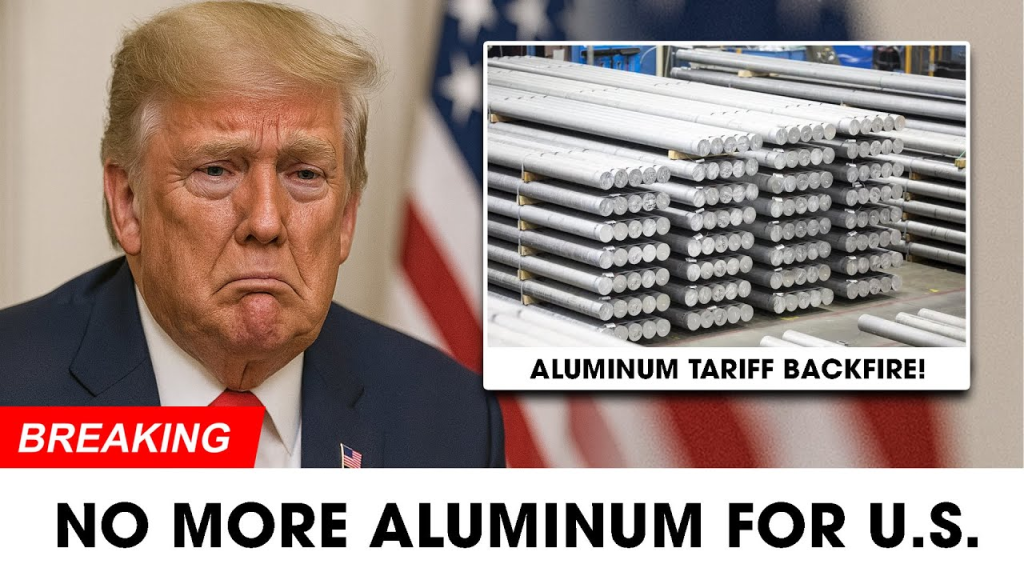
Aluminum is everywhere but invisible—until it suddenly isn’t. It seals your soda, frames your windows, wraps your phone’s circuitry, and sits inside everything from cars to air conditioners. The U.S., though, has a problem that no slogan can fix quickly: it’s still heavily dependent on imported primary aluminum, and Canada has been the biggest lifeline in that chain.
So when the 50% tariff formally kicked in, buyers didn’t get a patriotic boost. They got an invoice shock. The U.S. physical market premium—the extra cost American manufacturers pay above the global benchmark—shot to record highs after the tariff hike, pushing U.S. aluminum prices far above those in Europe or Asia.
Reuters reports the Midwest premium surged to unprecedented levels in late 2025, taking the all-in U.S. spot price to roughly $4,700–$4,800 per metric ton, depending on the LME base price.
That price blast hit like a hammer. Automakers stared at higher material bills. Construction and packaging firms scrambled to re-quote contracts. Any industry with thin margins felt the floor tilt. The policy meant to make U.S. aluminum “stronger” instantly made U.S. manufacturing more expensive than its global competitors.
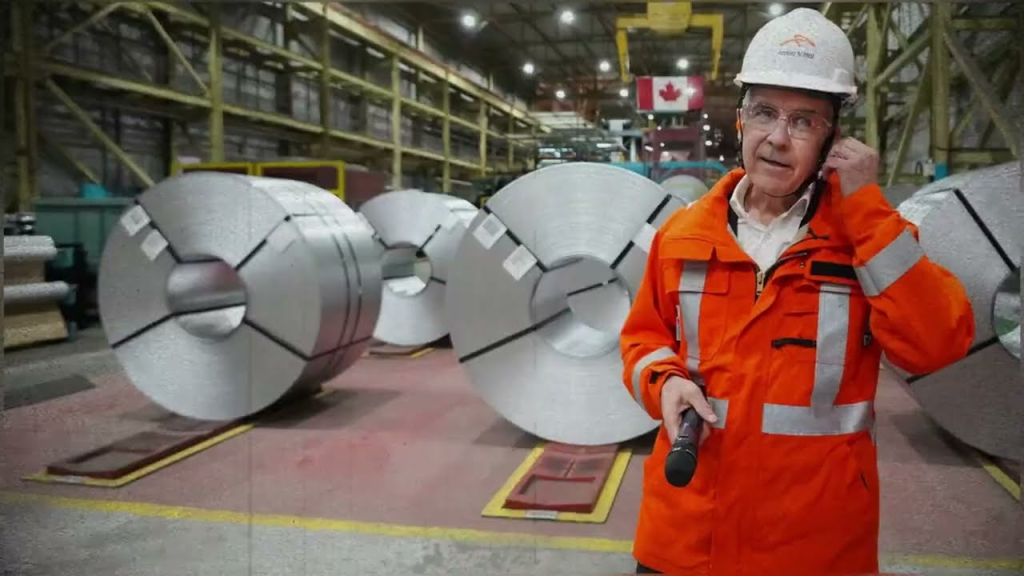
And then came the domino Washington couldn’t control: Canada began redirecting shipments away from the U.S. Traders in Europe openly expected a wave of Canadian metal to pivot across the Atlantic because the American market had become too costly and too politically volatile.
In other words, the U.S. didn’t just raise prices—it signaled to suppliers that America could change the rules overnight, and that risk had to be priced in or avoided entirely.
Global producers reacted the way markets always do when they smell instability: they protected themselves. The tariff didn’t land in a vacuum—suppliers layered on risk charges, and the U.S. market started looking like the most expensive and least predictable place to sell aluminum.
Meanwhile, America’s allies were watching the chaos build. Canada and Mexico condemned the move. European officials warned the escalation was destabilizing supply chains already strained by global deficits and China’s production cap.
Even cautious industry analysts at Fitch flagged that the 50% tariffs would distort trade flows and widen regional price gaps—exactly what the market is now showing in real time.
The result is a brutal paradox: the U.S. tariff wall didn’t trap aluminum inside America—it pushed it away. Canadian producers found eager buyers in Europe; U.S. manufacturers found themselves bidding in the world’s priciest arena for a metal they can’t yet replace domestically.
Trump’s team insists this pain is temporary and will revive domestic production. But smelters can’t materialize in a news cycle. Plants take years, billions, and cheap energy to come online. Until then, the tariff behaves less like a shield and more like a tax on U.S. industry—one that the rest of the world is happily routing around.
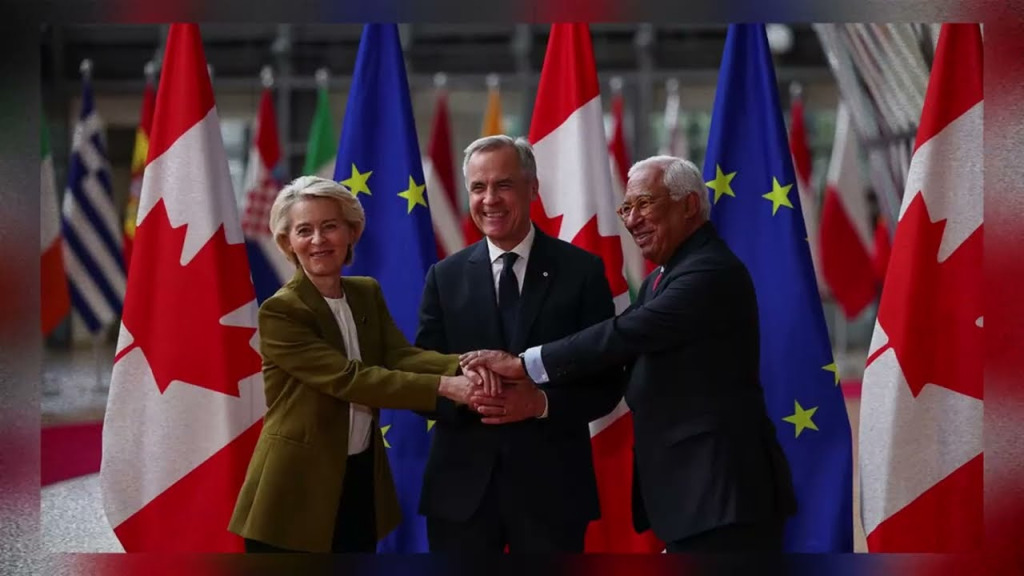
So the question hanging over every boardroom now isn’t “Will aluminum prices cool off?” It’s darker: Has the U.S. just trained its closest suppliers to live without it? If Canada’s pivot hardens and Europe locks in long-term contracts, Washington’s 50% gamble could end up reshaping trade routes for years—leaving American manufacturers paying the penalty long after the politics moves on.
One policy. One number. And suddenly the metal that used to flow quietly into U.S. factories is turning into a global lesson about what happens when protectionism collides with reality.
Leave a Reply