On the surface, the Padres’ rotation conversation feels settled.
Spring Training is approaching. The front end looks respectable. The payroll is tight. And San Diego appears content to move forward without chasing the kind of headline-grabbing arms that dominate winter rumor cycles.
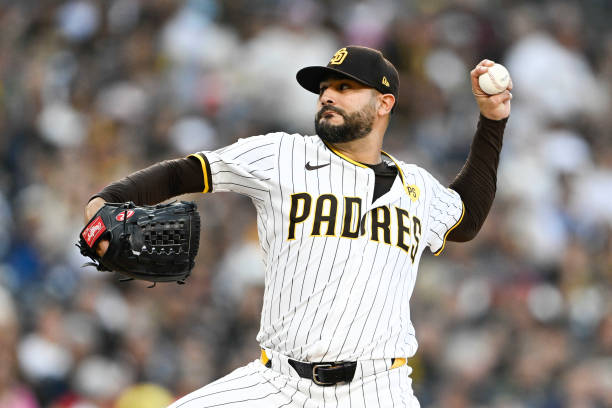
Yet one name keeps quietly reappearing.
Martín Pérez.
Not as a splash. Not as a solution. But as a reminder that the Padres’ biggest concern isn’t star power — it’s trust.
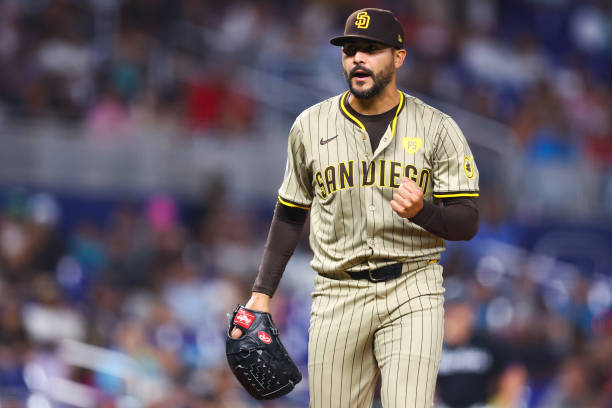
Pérez’s previous stint in San Diego didn’t come with fireworks, but it came with something rarer for a back-end starter: reliability. In 10 starts after arriving at the trade deadline in 2024, he delivered a 3.46 ERA and gave the Padres exactly what they needed — innings that didn’t spiral, games that stayed competitive, and a presence that fit the clubhouse rhythm.
That matters more now than it did then.
Because when you examine the alternatives, the optimism fades quickly. JP Sears and Kyle Hart weren’t just ineffective in limited opportunities last season — they looked overwhelmed. Command issues. Poor poise. ERAs that ballooned before the fifth inning arrived. Matt Waldron, once an intriguing knuckleball experiment, has slowly drifted out of relevance.
Suddenly, Pérez doesn’t look like a luxury.
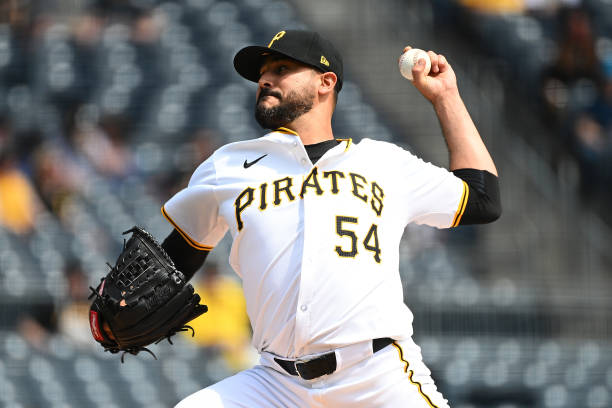
He looks like a safeguard.
Financially, the appeal is obvious. A one-year deal in the $3–4 million range is about as low-risk as starting pitching gets in today’s market. It preserves flexibility. It avoids long-term commitment. And it buys time — something the Padres desperately need with Yu Darvish sidelined for the season and possibly nearing the end of his career.
But cheap solutions come with quiet admissions.
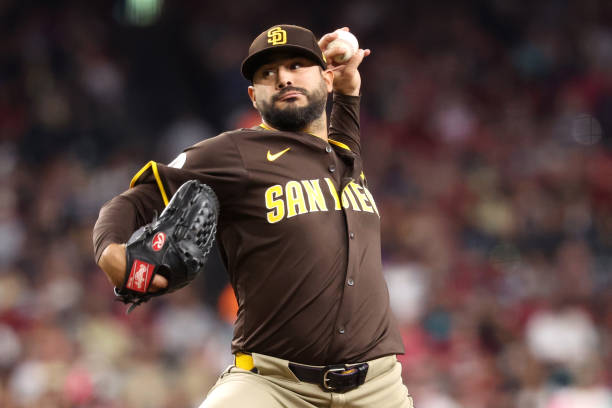
Bringing Pérez back wouldn’t be about upside. It would be about containment. About acknowledging that the rotation’s floor matters more than its ceiling right now.
At 34, Pérez isn’t reinventing himself — but he is adapting. His 2025 stretch with the White Sox showed signs of evolution, leaning more heavily on his changeup and cutter to generate swings and misses. Before a late shoulder injury ended his season, he struck out 44 batters in 56 innings with a sub-3.60 ERA.
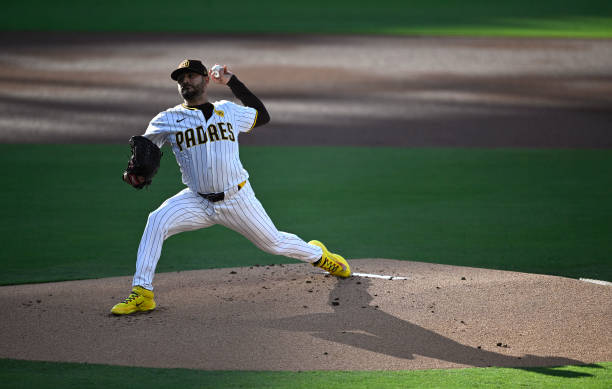
Those aren’t ace numbers.
They’re survival numbers.
And survival is often what separates contenders from collapses in divisions like the NL West, where lineups punish mistakes relentlessly. The Dodgers won’t wait for a young pitcher to find himself. Neither will the Giants.
What Pérez offers is predictability — something San Diego’s current back-end options can’t promise.
He also brings experience. Over 1,500 major league innings. Thirteen seasons. A voice younger arms can listen to when games tilt sideways early. That kind of presence doesn’t show up in projections, but it shows up in August standings.
Of course, the shoulder injury looms quietly over the conversation. No one is pretending it doesn’t. But at this price point, the risk is calculated, not reckless.
Which leads to the uncomfortable truth.
If the Padres do circle back to Martín Pérez, it won’t signal ambition.
It will signal realism.
A recognition that the rotation doesn’t need flash — it needs someone who won’t break when things go wrong. Someone who’s already proven he can survive in San Diego without drama.
The door isn’t wide open.
But it was never fully closed.
And the fact that Pérez keeps appearing in the conversation may say less about him — and more about how thin the Padres’ margin for error really is.
Leave a Reply