It was supposed to be a routine gaggle with reporters aboard Air Force One.
Instead, Donald Trump turned it into a flying crisis — a chaotic, rambling, contradiction-filled meltdown at 30,000 feet.
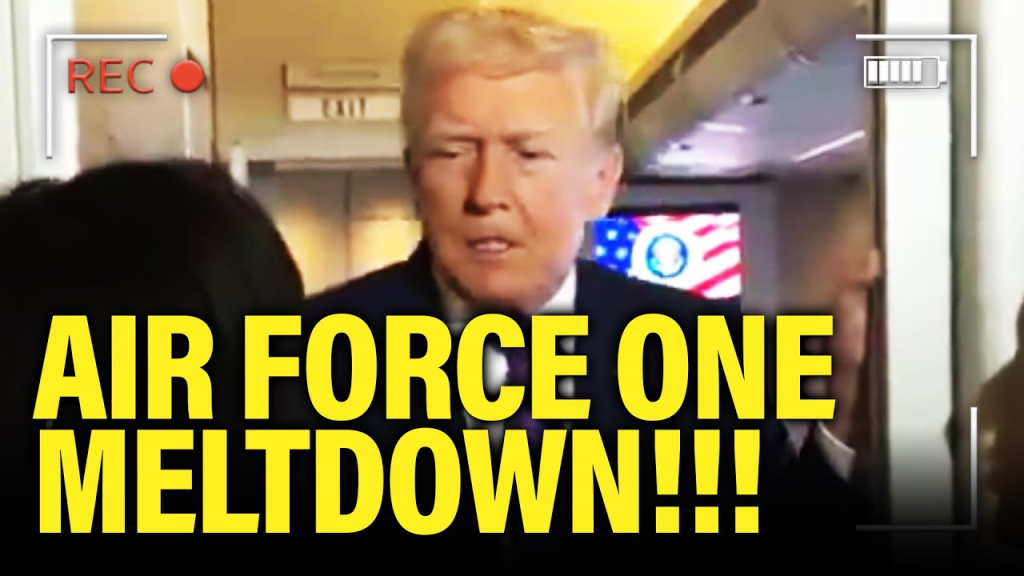
From the moment he stepped in front of the press, something felt off. His answers weren’t just defensive — they were frantic. And as the questions got tougher, you could practically feel the cabin pressure rise.
The first bombshell question: the Venezuela fishing boat strike.
Reporters pressed Trump on reports that there had been a second strike — one allegedly ordered to kill wounded survivors after the first U.S. attack on a fishing vessel. Trump’s answer? Throw his own Defense Secretary, Pete Hegseth, under the bus… then back over him… then pretend the bus never existed.
“I don’t know that that happened,” Trump insisted. “Pete said he did not want them. He didn’t even know what people were talking about… No, I wouldn’t have wanted that. Not a second strike. The first strike was very lethal. It was fine.”
He then said he’d “look into it,” while also claiming “great confidence” in Hegseth — who, he assured everyone, told him it didn’t happen. It was a verbal pretzel: I don’t know anything, but I know enough to say it’s fine, but if it happened, I definitely wouldn’t want it, and also it didn’t happen.
The next moment was somehow worse.
Trump was asked — again — about the mysterious MRI he received back in October. What was it for? Which part of his body was scanned? Why won’t he release the results?
Tim Walz, the Governor of Minnesota, had publicly called for Trump to release the MRI. So reporters pushed.
“What part of your body was the MRI looking at?” one asked.
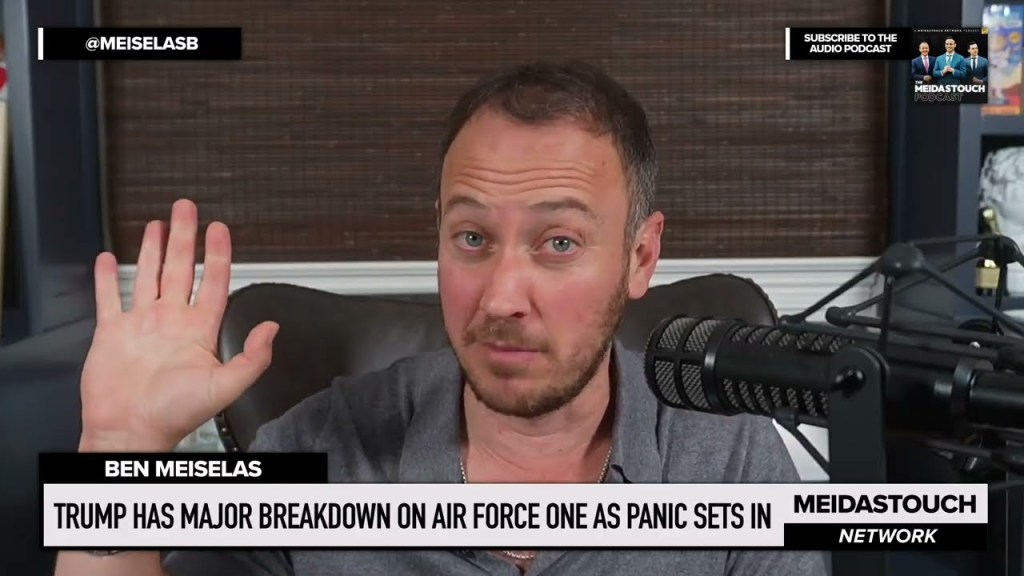
Trump’s answer was jaw-dropping.
“I have no idea,” he said. “It was just an MRI. It wasn’t the brain because I took a cognitive test and I aced it. I got a perfect mark, which you would be incapable of doing.”
He then declared the MRI “perfect” — comparing it to the “perfect phone call” he was impeached over — and claimed he’d “release it” while clearly having zero intention of actually doing so. The excuse? He doesn’t even know what body part it was for.
From there, the spiral continued.
Trump was asked why he called Governor Tim Walz the R-word — a slur millions of Americans consider profoundly offensive, particularly toward people with disabilities. Instead of backing off, he dug in.
“Yeah, I think there’s something wrong with him,” Trump said. “Absolutely. Sure. You don’t think you have a problem with that term?” He then snapped at the reporter, demanding to know what outlet they were from, aggressively leaning in as if the real problem was the question — not the slur.
Then came the Juan Orlando Hernández question — the former president of Honduras, convicted in the U.S. for working with cartels to traffic billions in drugs. Why, reporters asked, would Trump consider pardoning him?
“I don’t know who you’re talking about,” Trump started, before immediately describing him. He claimed people in Honduras insisted it was all “a Biden setup” and argued that just because drugs are trafficked from a country doesn’t mean the president should be held responsible.
When asked what evidence he had for this supposed setup, Trump waved it away: “You take any country you want… if somebody sells drugs in that country, that doesn’t mean you arrest the president.”
Then he boasted that under his policies, drug prices were coming down “500, 600, 700 percent” — a mathematical impossibility, but one he stated confidently, as if sheer exaggeration could bend reality.
The ugliest moment came when Trump talked about asylum and immigration, saying he would block asylum from countries he labeled as “third world,” and openly declaring: “We don’t want those people.” When pressed on what he meant by “those people,” he singled out countries like Somalia, describing them as lawless and violent, painting entire populations as dangerous.
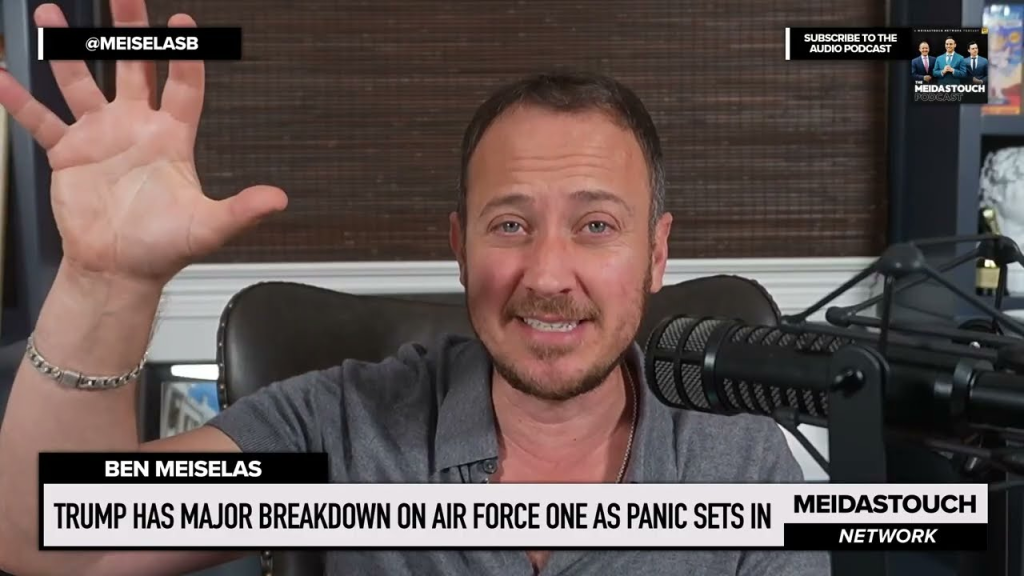
Reporters also asked about his post threatening to denaturalize American citizens. Trump casually floated the idea of stripping citizenship from people he believes “shouldn’t be here,” saying if he had the power to do it, he “absolutely” would.
By the time the chaotic session was over, Trump was snapping at reporters, calling NewsNation “failing,” dismissing concerns, dodging facts, and lurching from topic to topic like a man trying to outrun his own words.
From war crimes questions to MRI secrets, racist generalizations to fantasy drug-price math, what happened on Air Force One didn’t look like leadership.
It looked like panic at altitude — and the cameras caught every second.
Leave a Reply