The Toronto Blue Jays did everything a contender is supposed to do in 2025.
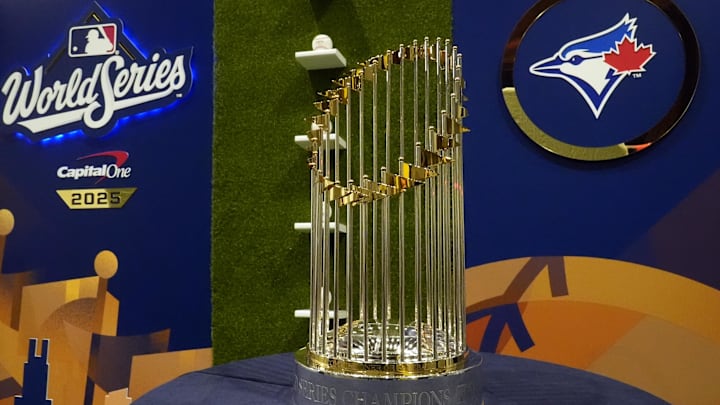
Oct 25, 2025; Toronto, Ontario, CAN; The Commissioner’s Trophy before game two of the 2025 MLB World Series between the Toronto Blue Jays and the Los Angeles Dodgers at Rogers Centre. Mandatory Credit: John E. Sokolowski-Imagn Images | John E. Sokolowski-Imagn Images
They surged from the bottom of the AL East to win the division, made a deep postseason run, and came within one win of a World Series title. Add in an aggressive offseason that strengthened key areas of the roster, and the expectation seemed obvious.
Toronto should be among the favorites heading into 2026.
But not everyone sees it that way.
According to FanGraphs, the Blue Jays enter the season with just a 4.6% chance to win the World Series — a number that places them outside the top tier of contenders and behind several teams with less recent success.
That projection has raised more than a few eyebrows.
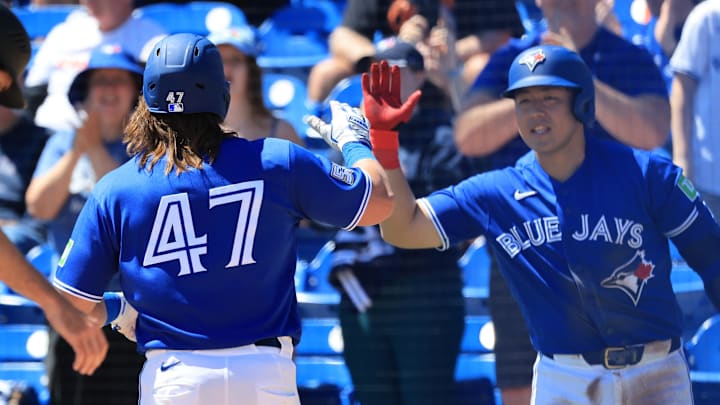
At the top of the list, the Los Angeles Dodgers sit comfortably as favorites, which comes as no surprise given their championship pedigree and offseason additions. But the real debate begins further down the rankings.
Toronto trails teams like the Mariners, Mets, Braves, Yankees, Tigers, and Phillies — a group that, in many cases, didn’t match the Blue Jays’ 2025 postseason success.
That’s where the disconnect becomes clear.
Last season, Toronto didn’t just compete — they beat some of those same teams on their way to the World Series. The Yankees and Mariners, both ranked ahead of them in the projections, were eliminated during that run.

So why the skepticism?
Part of it likely comes down to how projections are built.
FanGraphs models tend to weigh long-term performance, roster depth, and underlying metrics rather than simply rewarding last year’s results. That approach can sometimes undervalue teams coming off breakout seasons, especially if there are questions about sustainability.
Still, the gap feels significant.
The Blue Jays didn’t stand still this offseason. They added impact pieces across the roster, including pitching upgrades and offensive reinforcements designed to support a team that was already trending upward.
Meanwhile, some of the teams ranked ahead of them made more modest moves.

The Yankees and Mariners largely retained their core without major upgrades. The Phillies followed a similar path, focusing on smaller additions rather than sweeping changes. Even teams like the Braves and Mets made moves that came with trade-offs, losing key contributors while adding new ones.
Detroit may be the one exception.
With a rotation anchored by Tarik Skubal and bolstered by high-profile additions, the Tigers present a legitimate case as a rising power in the American League. Their pitching alone could make them one of the most dangerous teams in baseball.
But beyond that, Toronto’s placement still feels surprisingly low.
For a team that proved it can compete at the highest level — and then reinforced its roster — being pushed down the list sends a clear message.
Prove it again.
That may not be the worst thing.
If anything, the Blue Jays now enter 2026 with something they didn’t have last year — a sense of being overlooked. And for a team that already showed it can exceed expectations, that could become a powerful motivator.
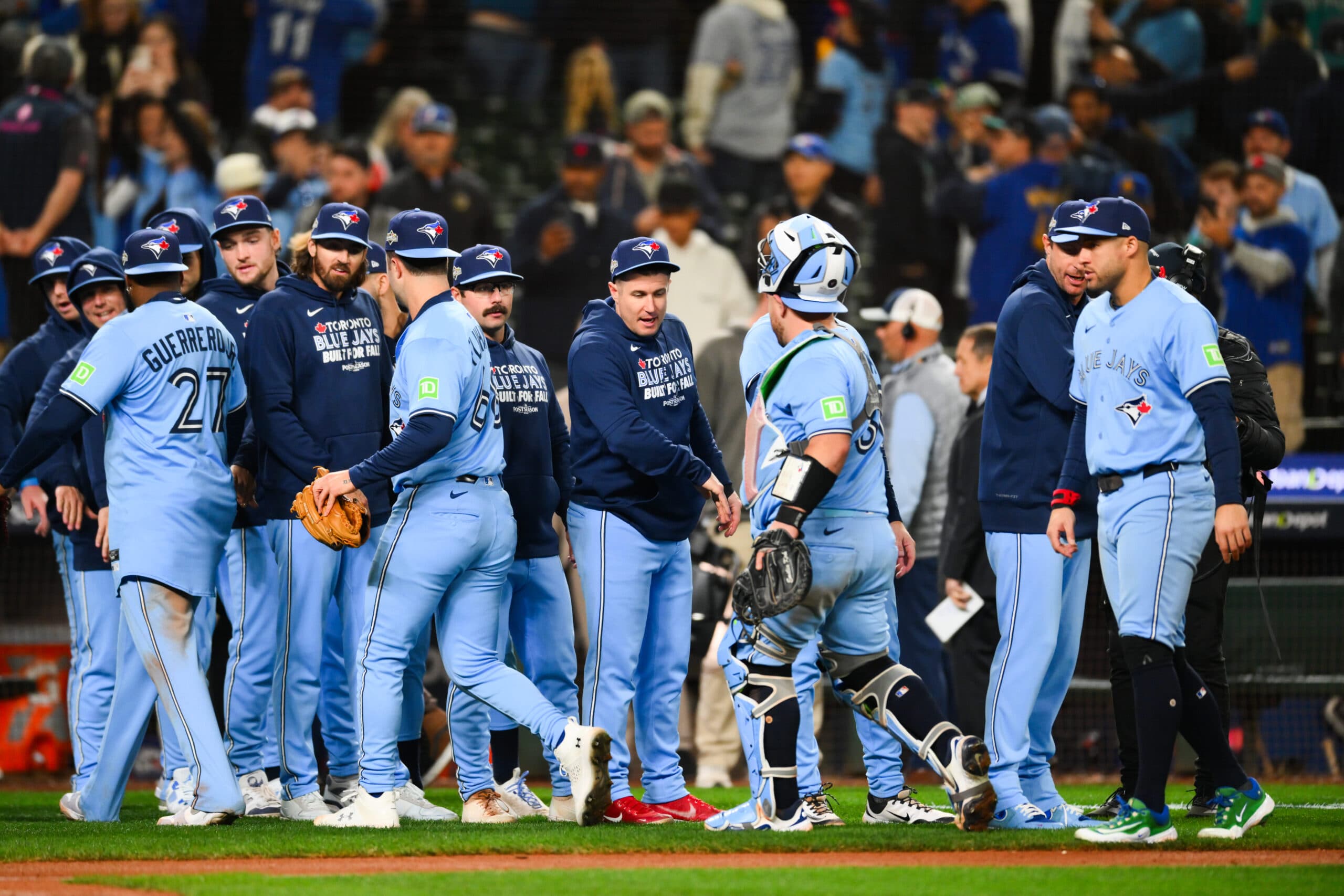
Projections don’t win games.
But they do set narratives.
And if Toronto has its way, this is one they’ll be eager to rewrite.
Leave a Reply